





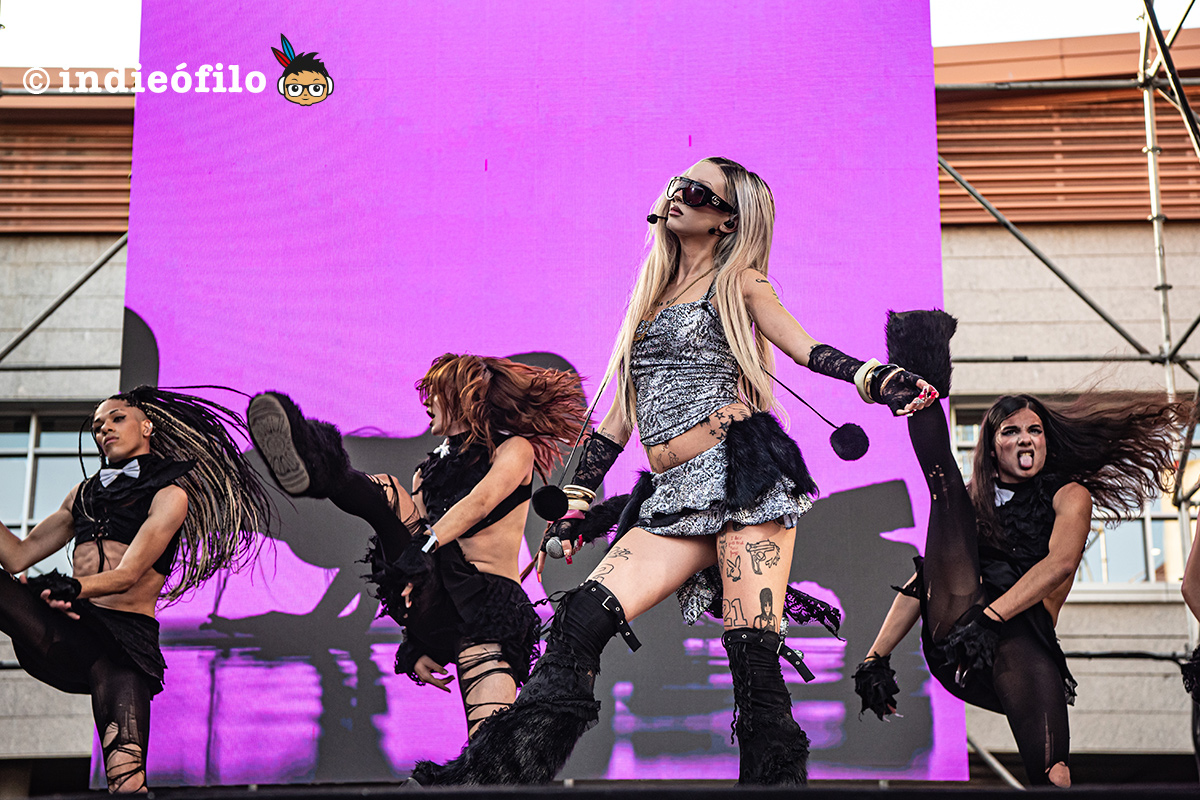
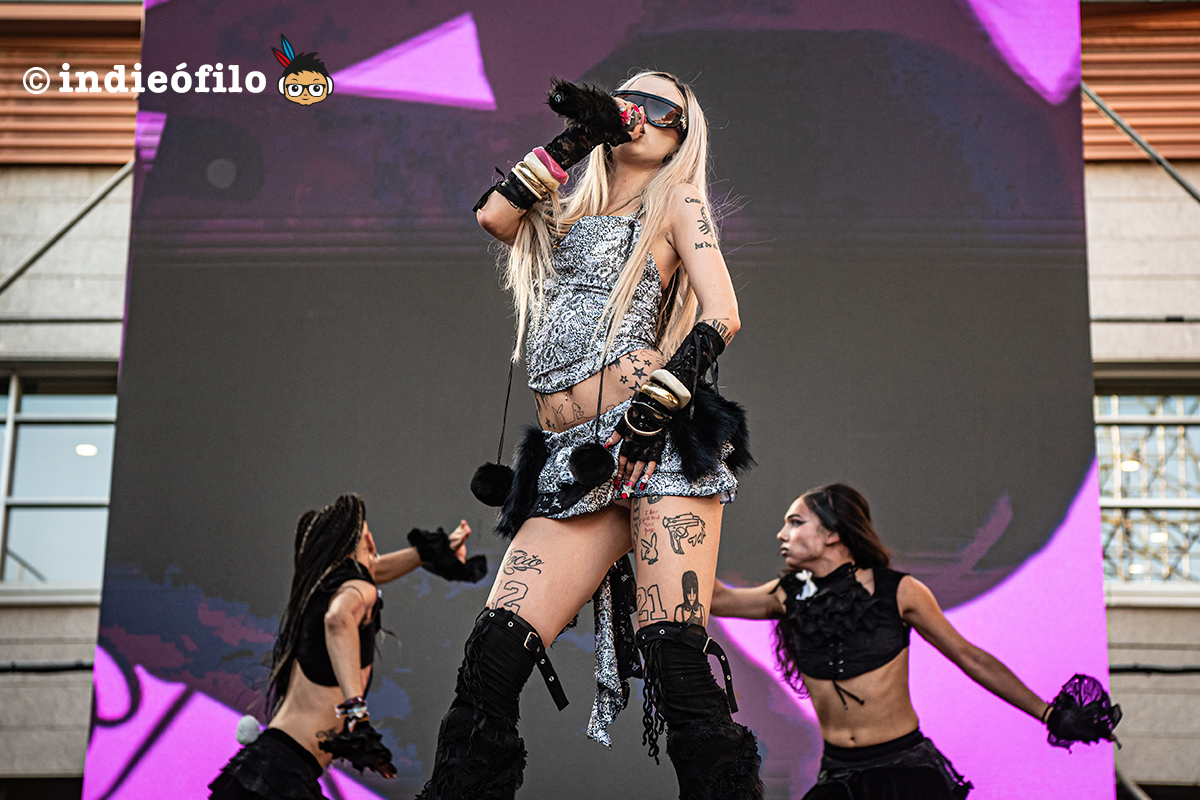
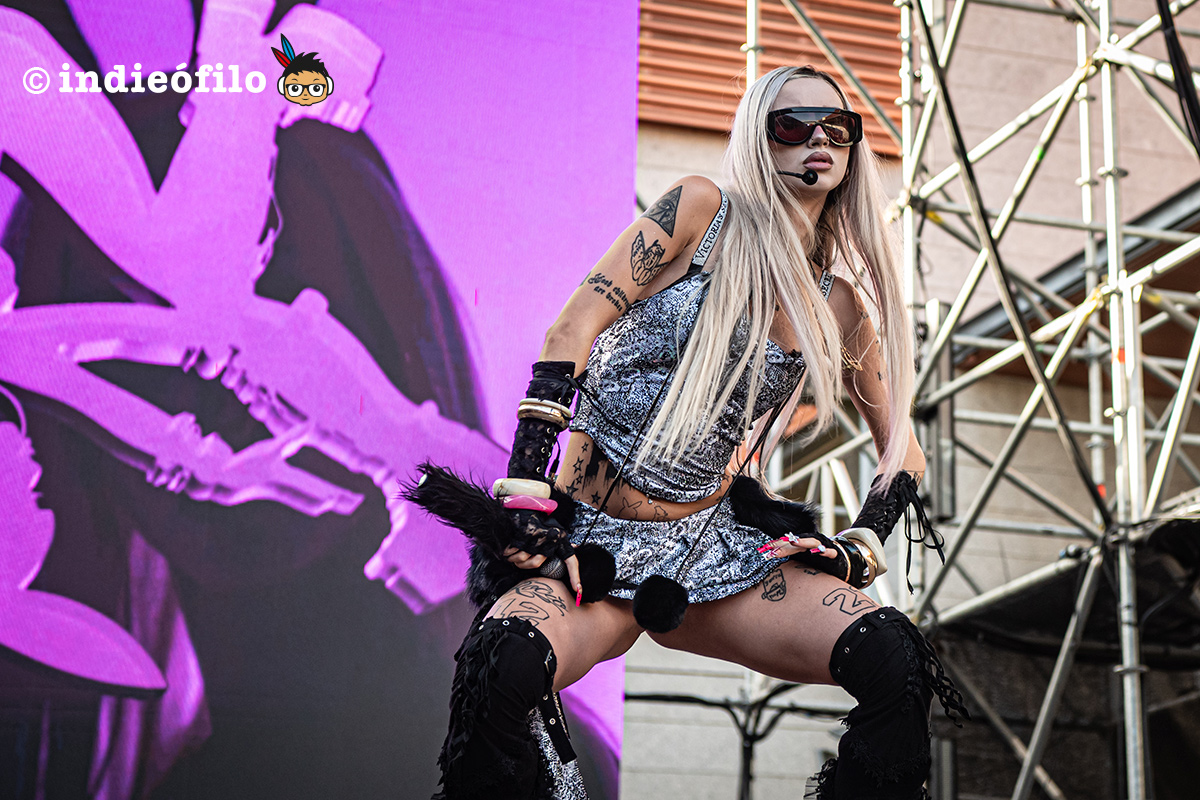
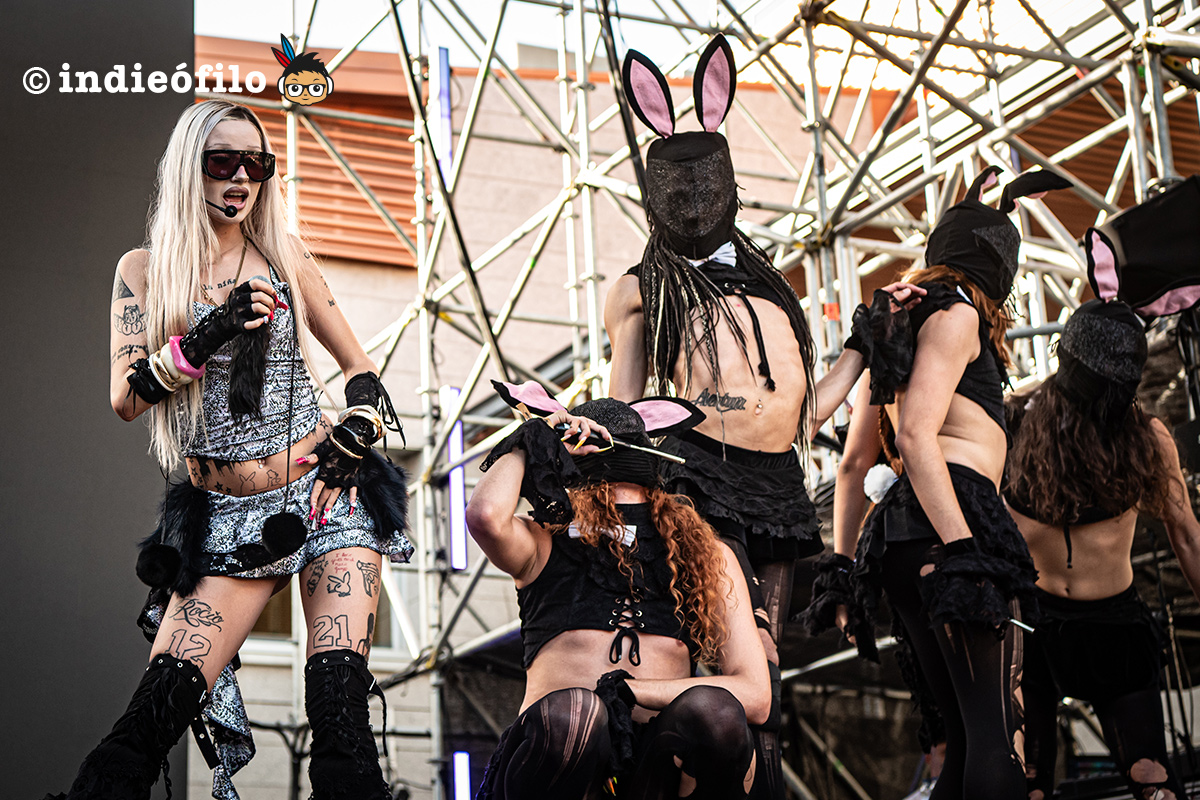
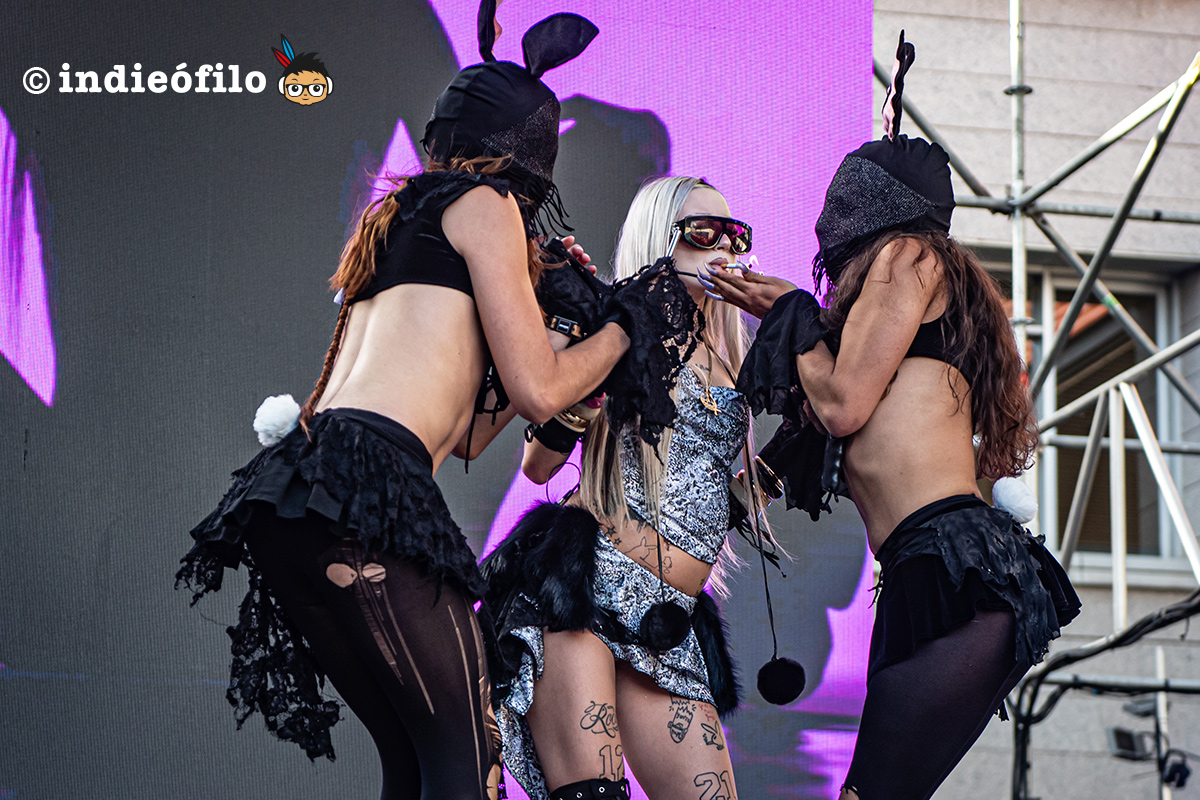
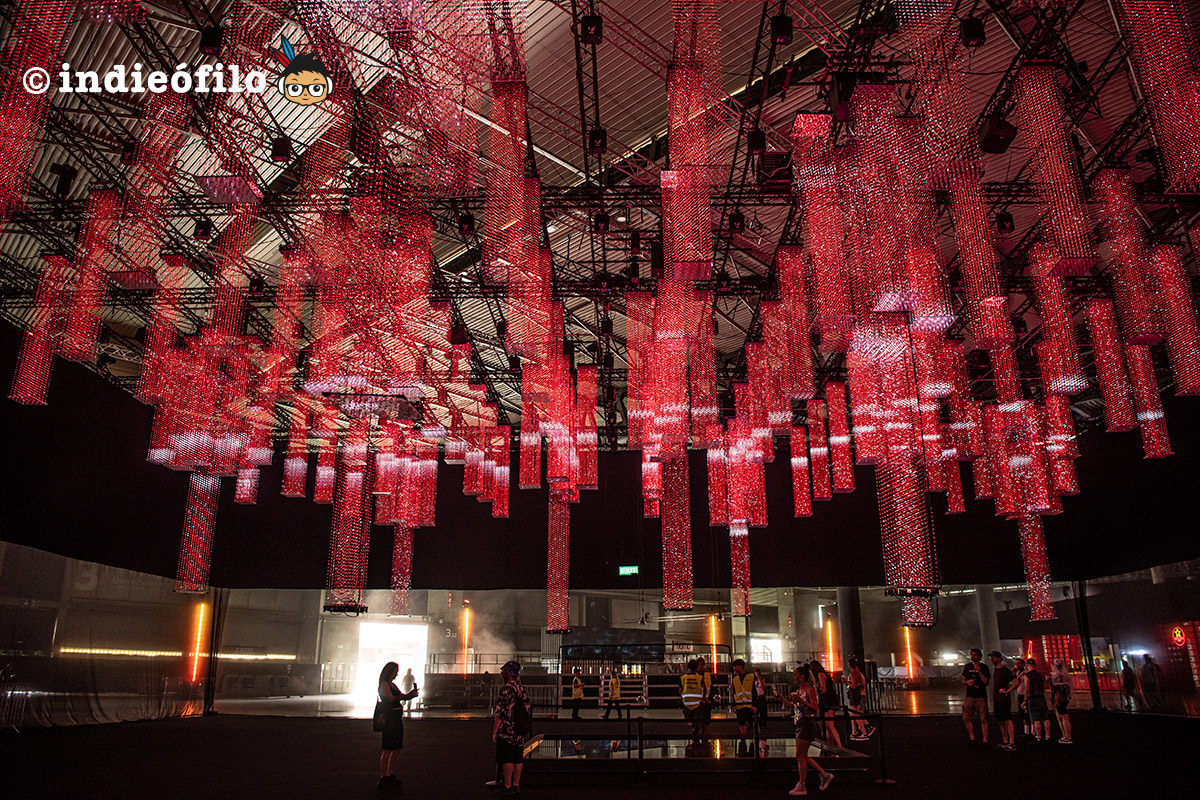
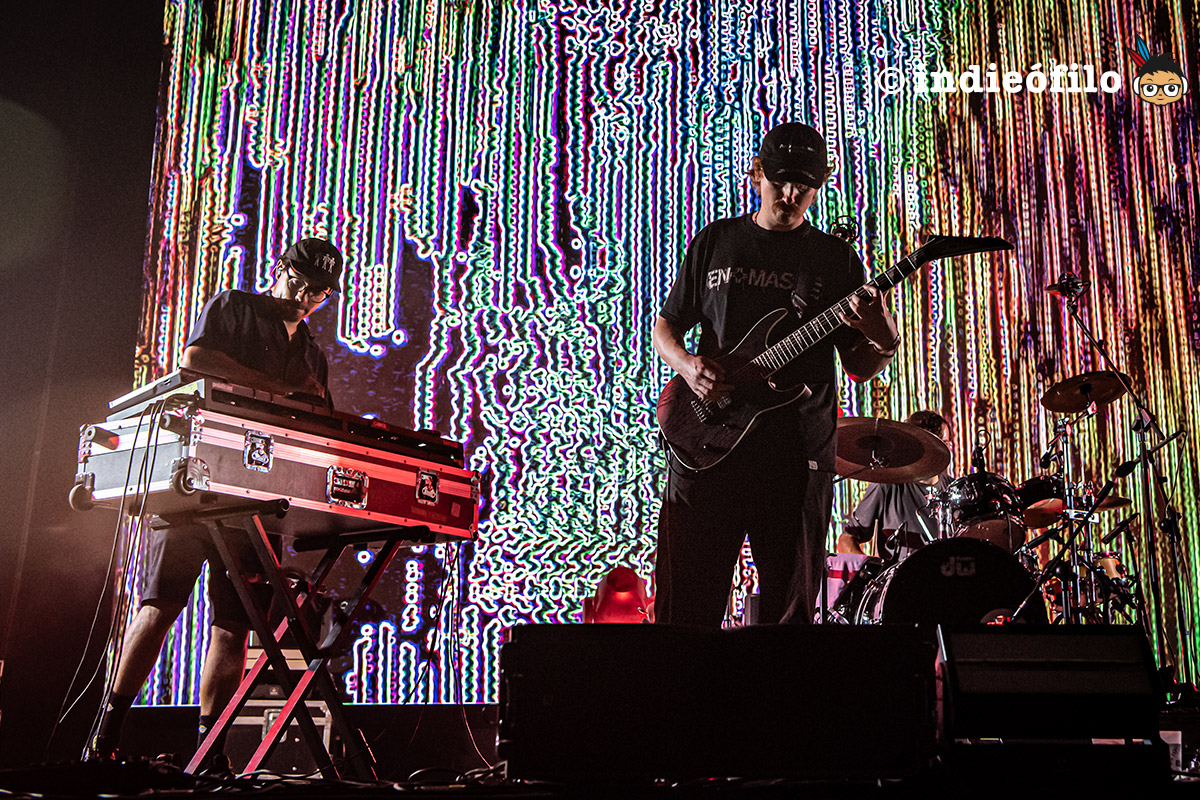
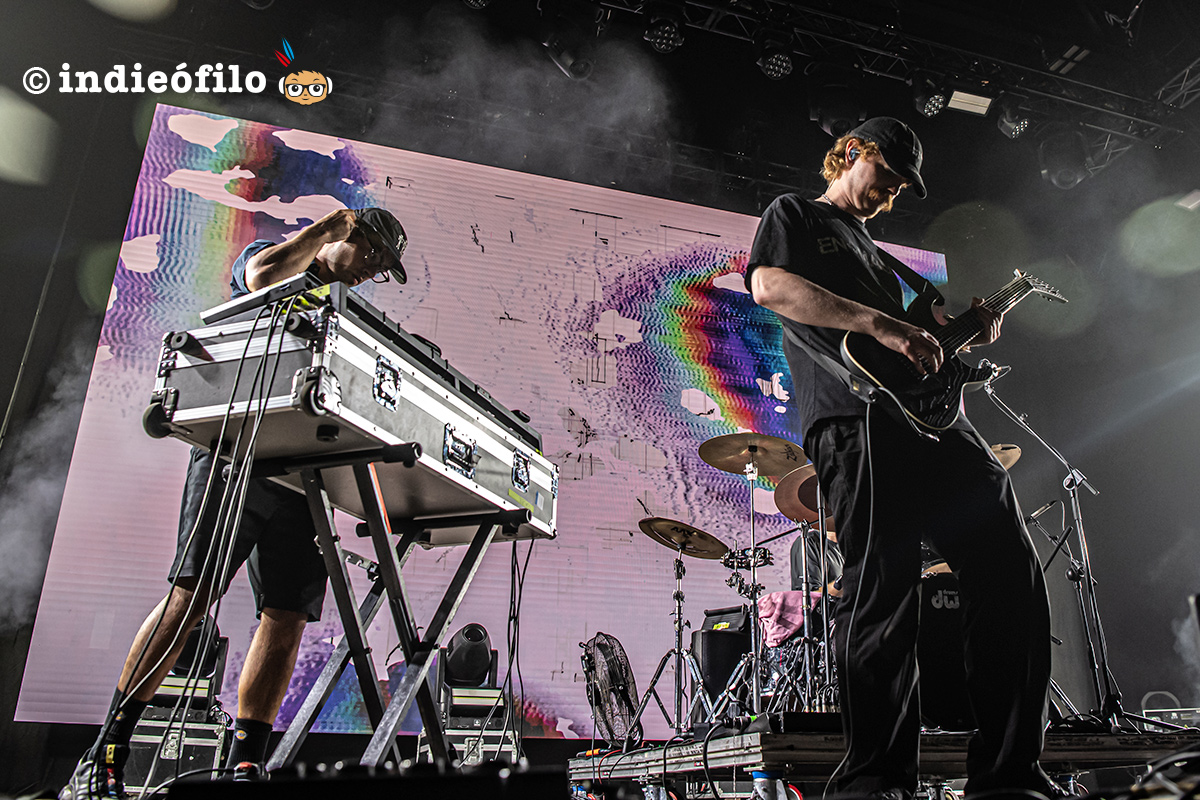
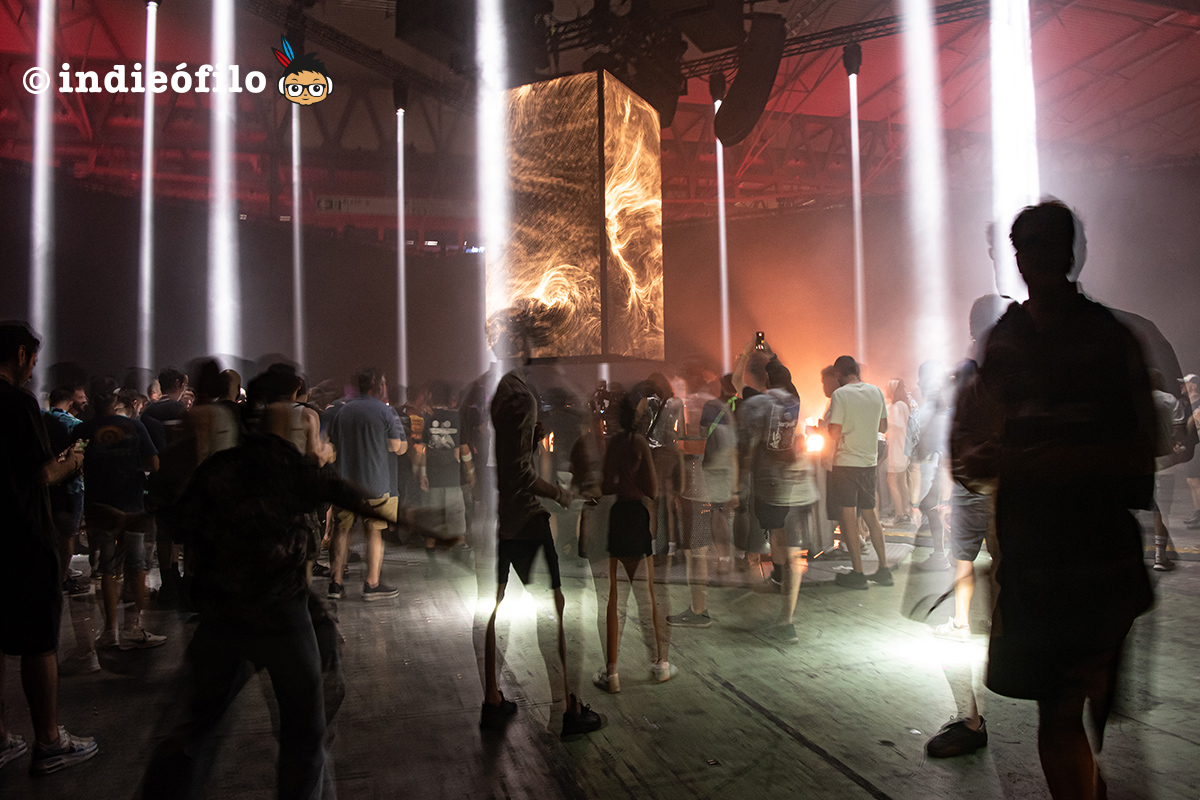
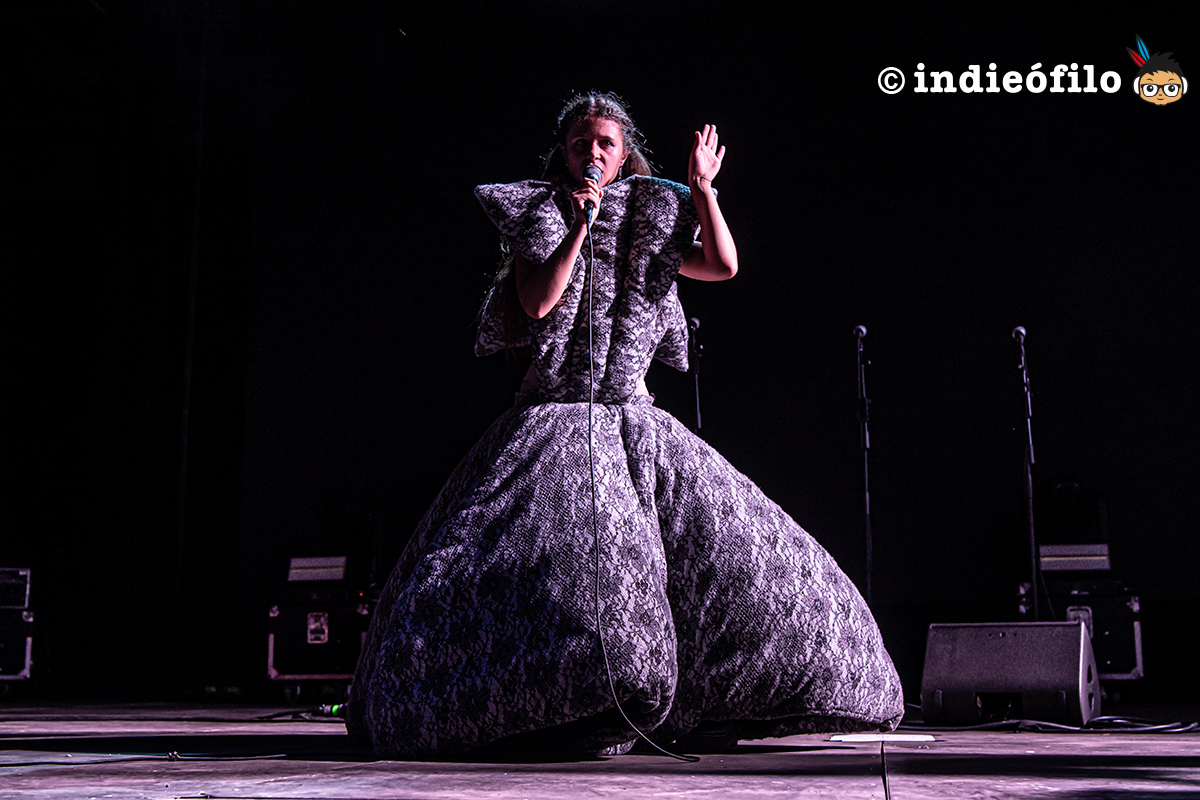
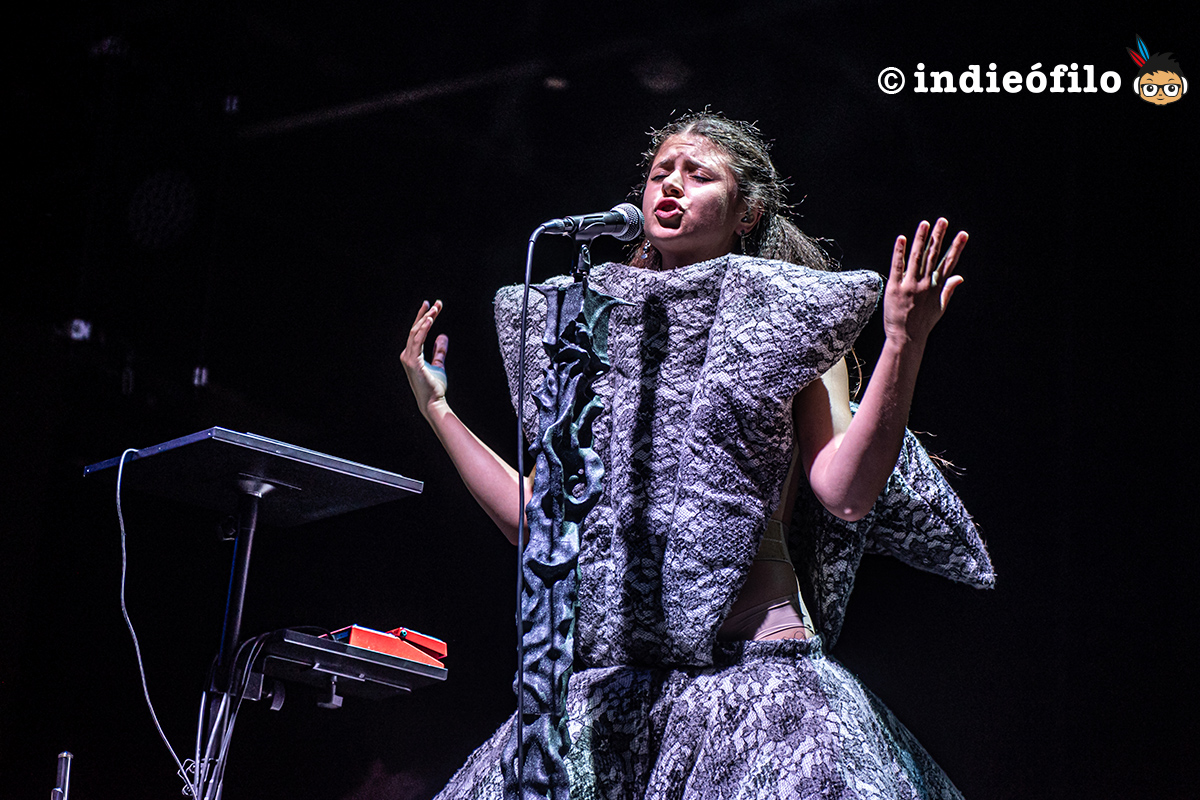
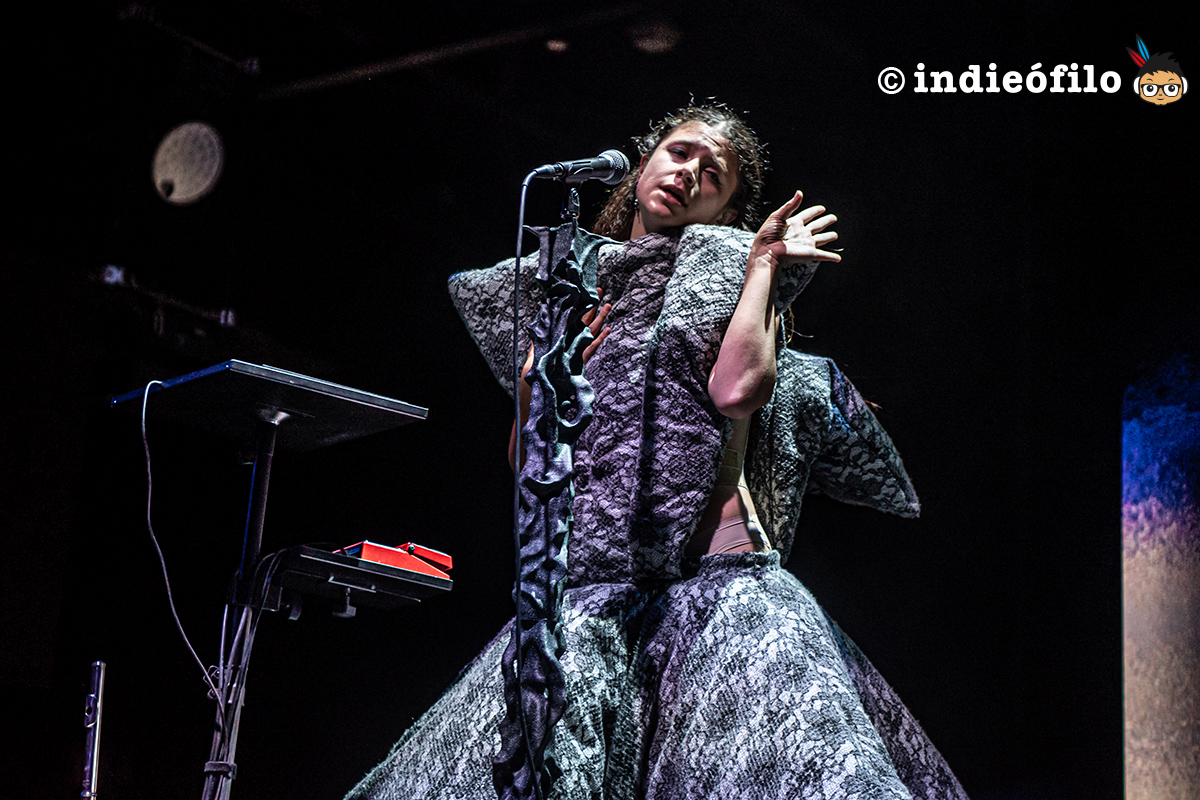
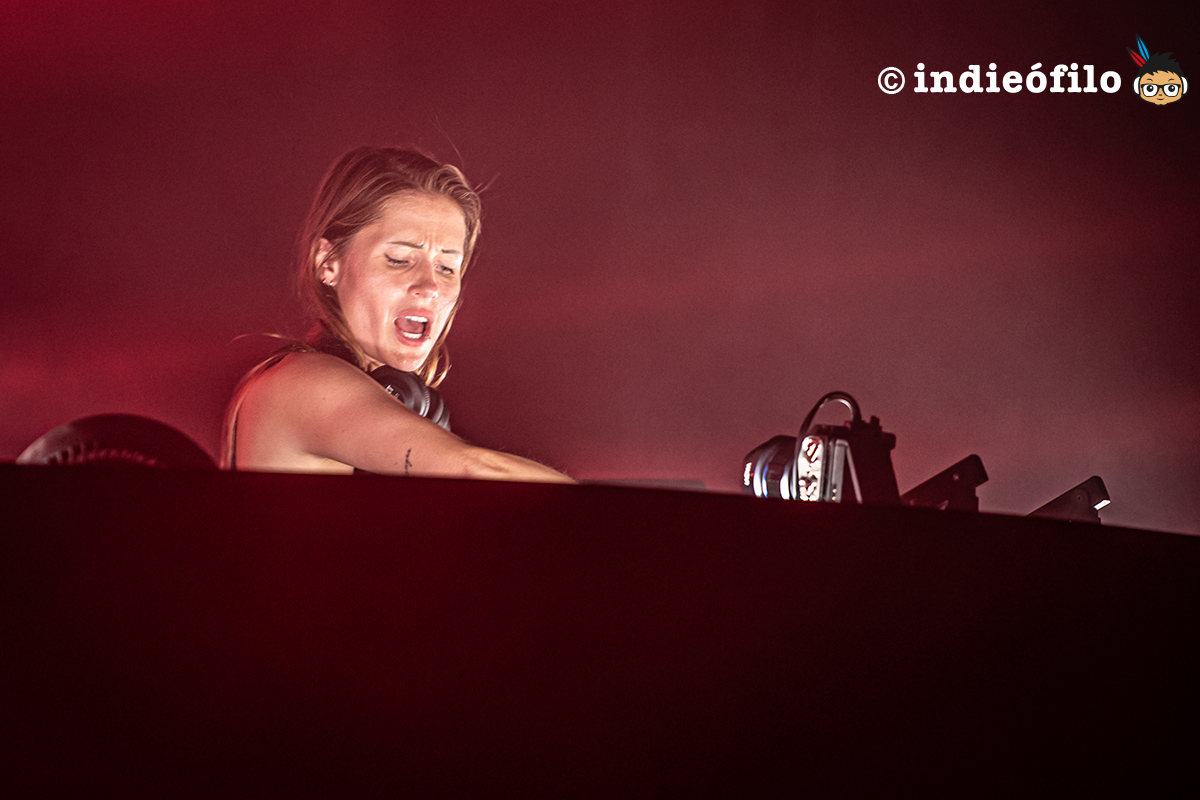
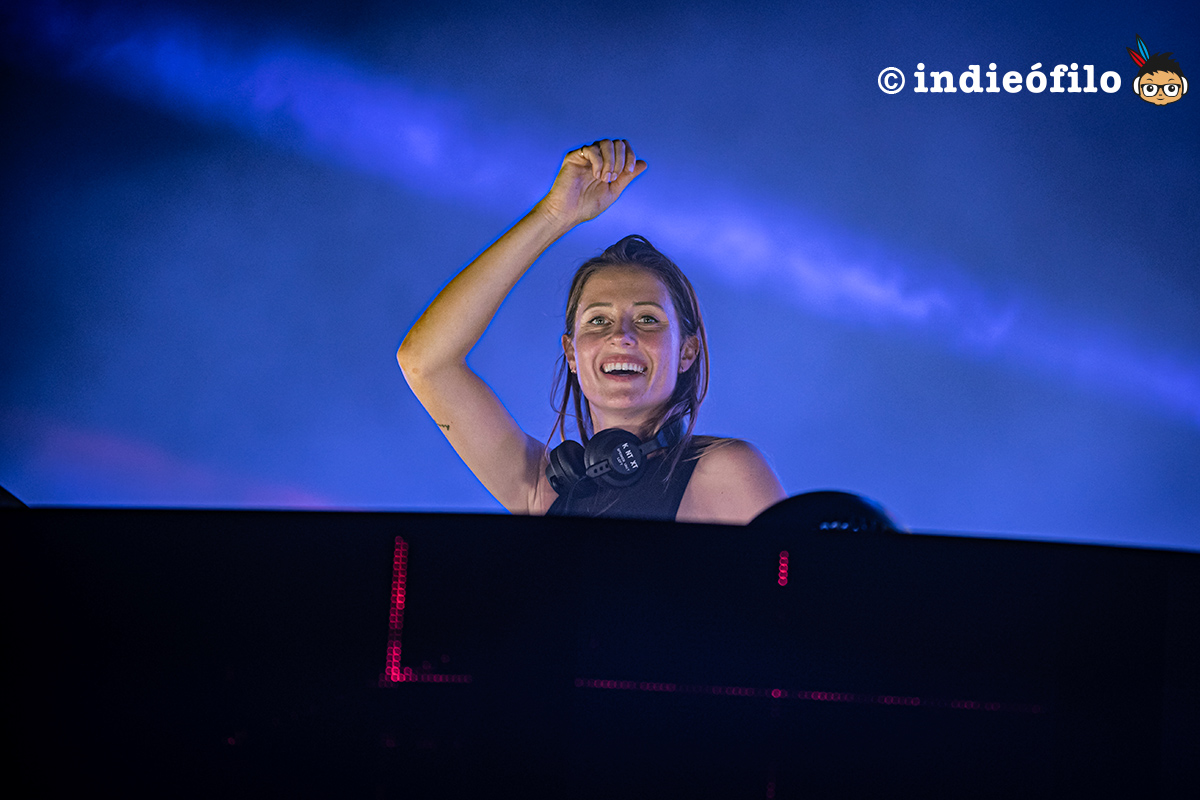
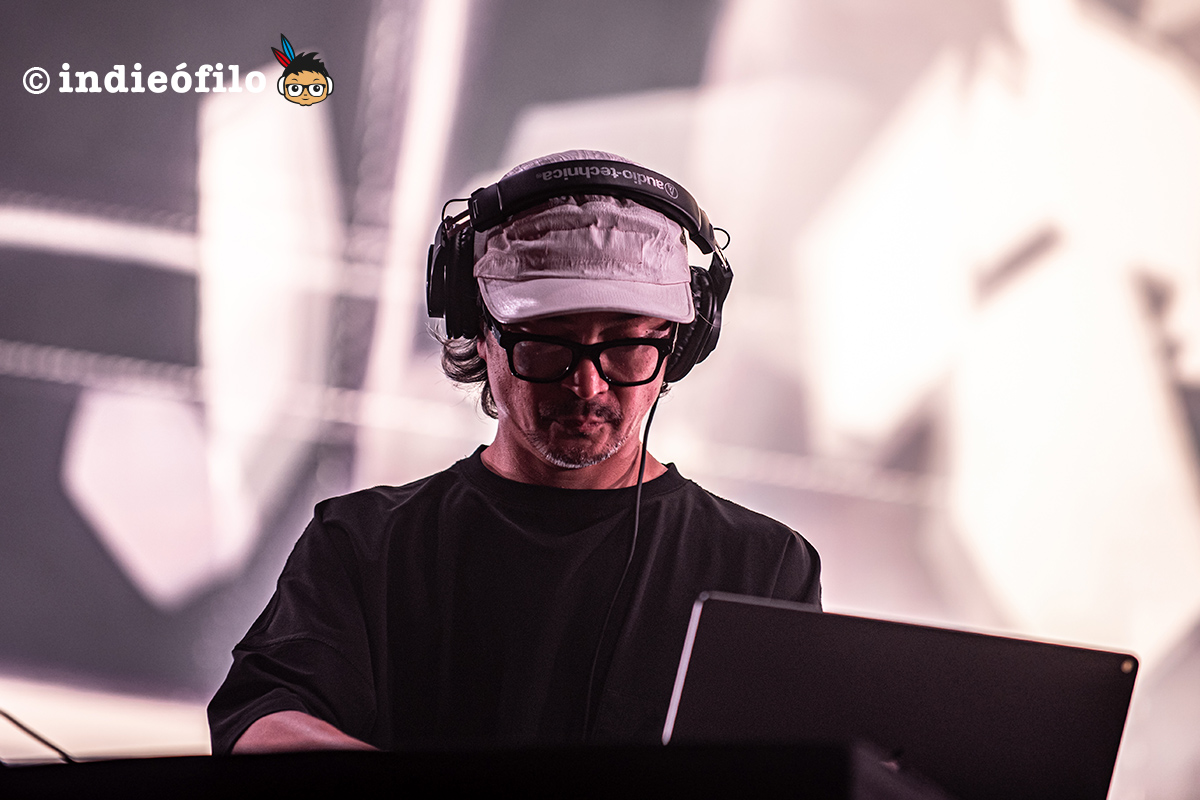
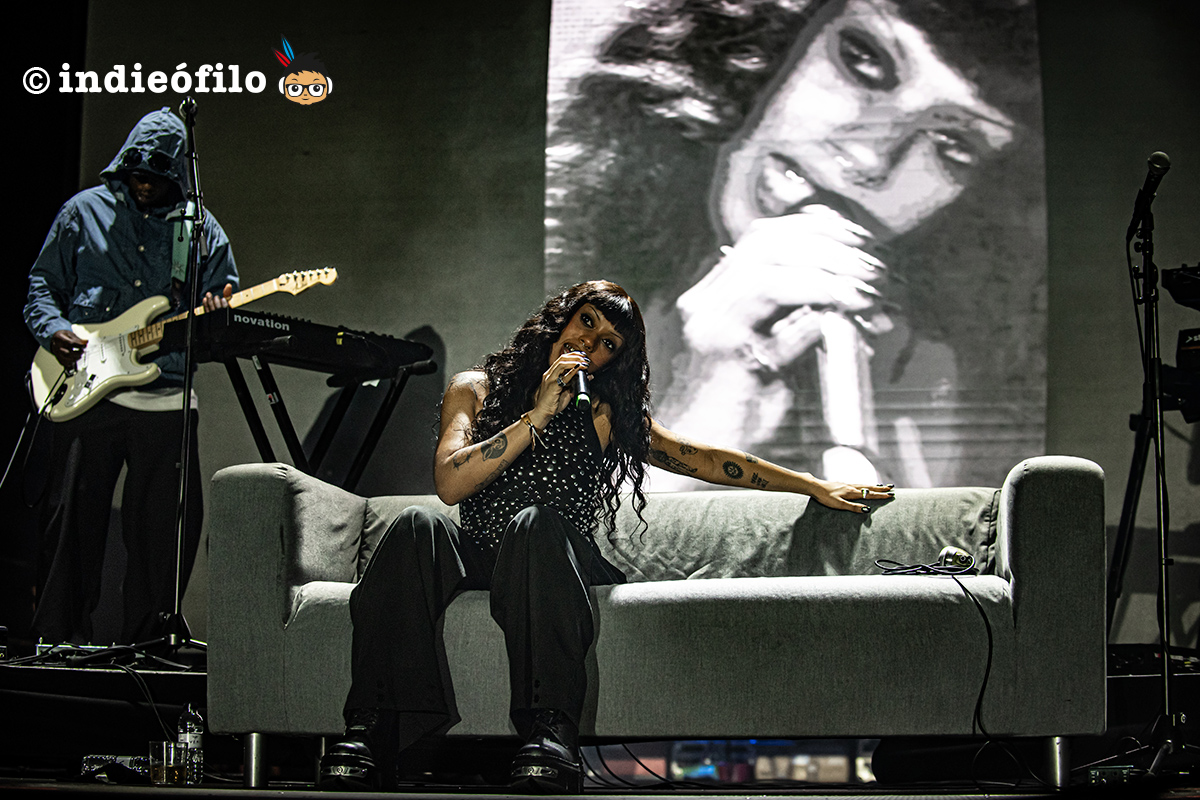
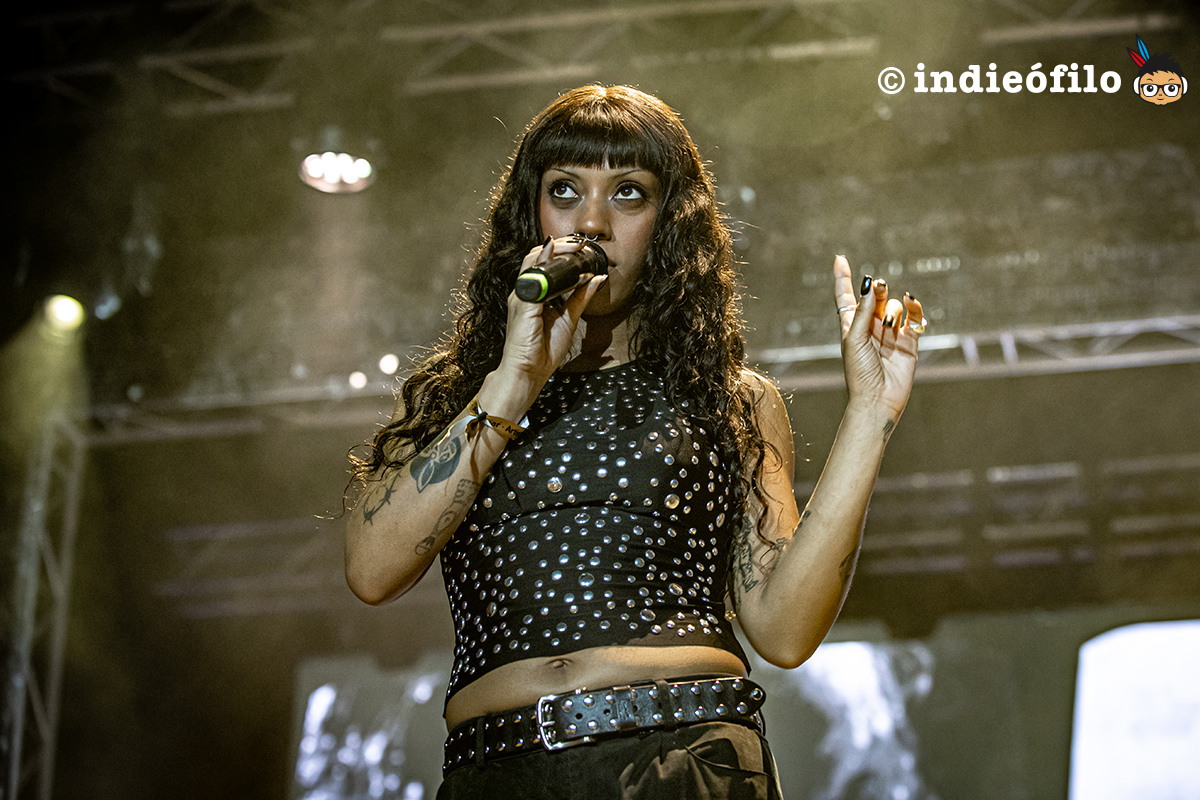
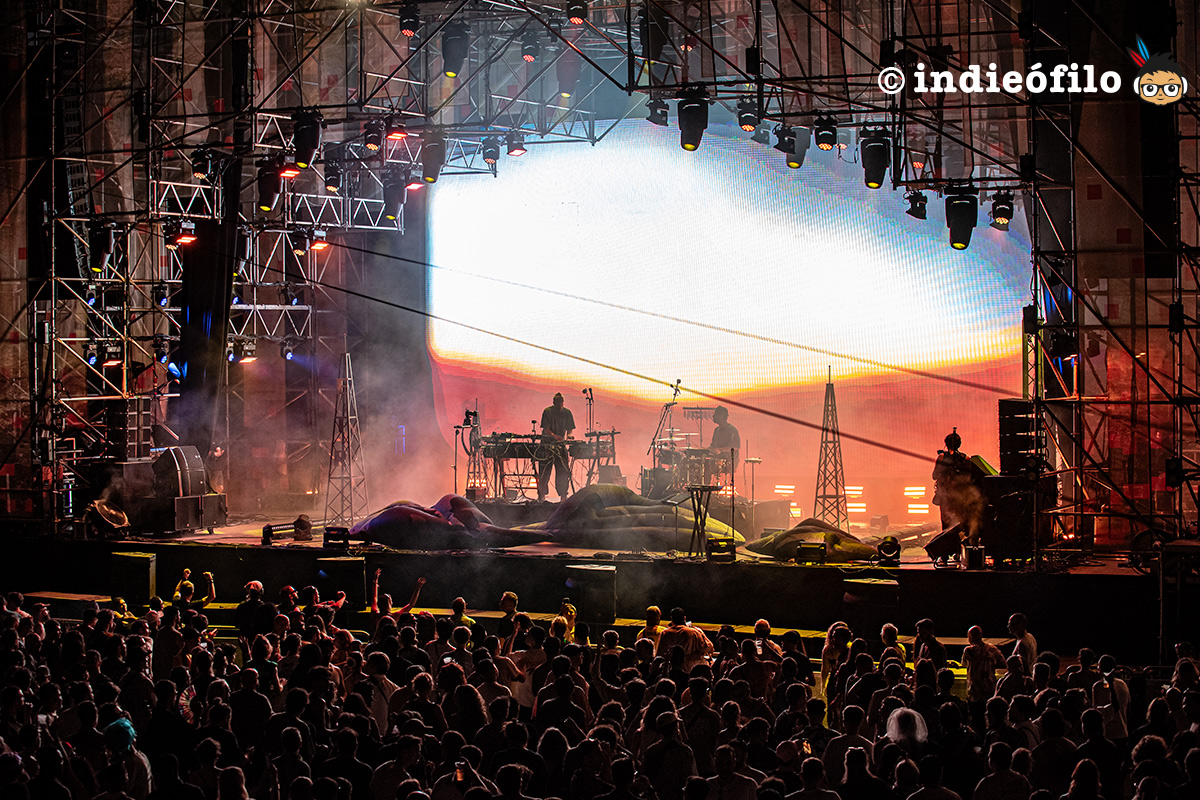
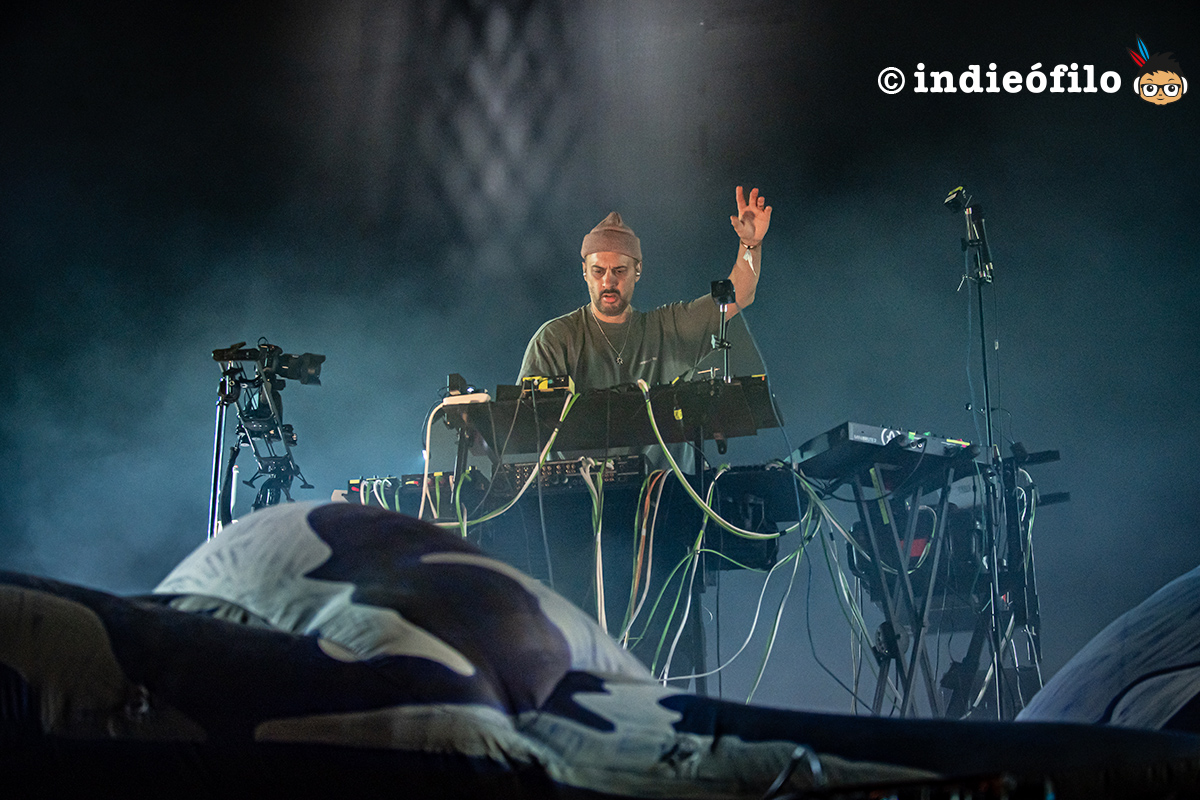
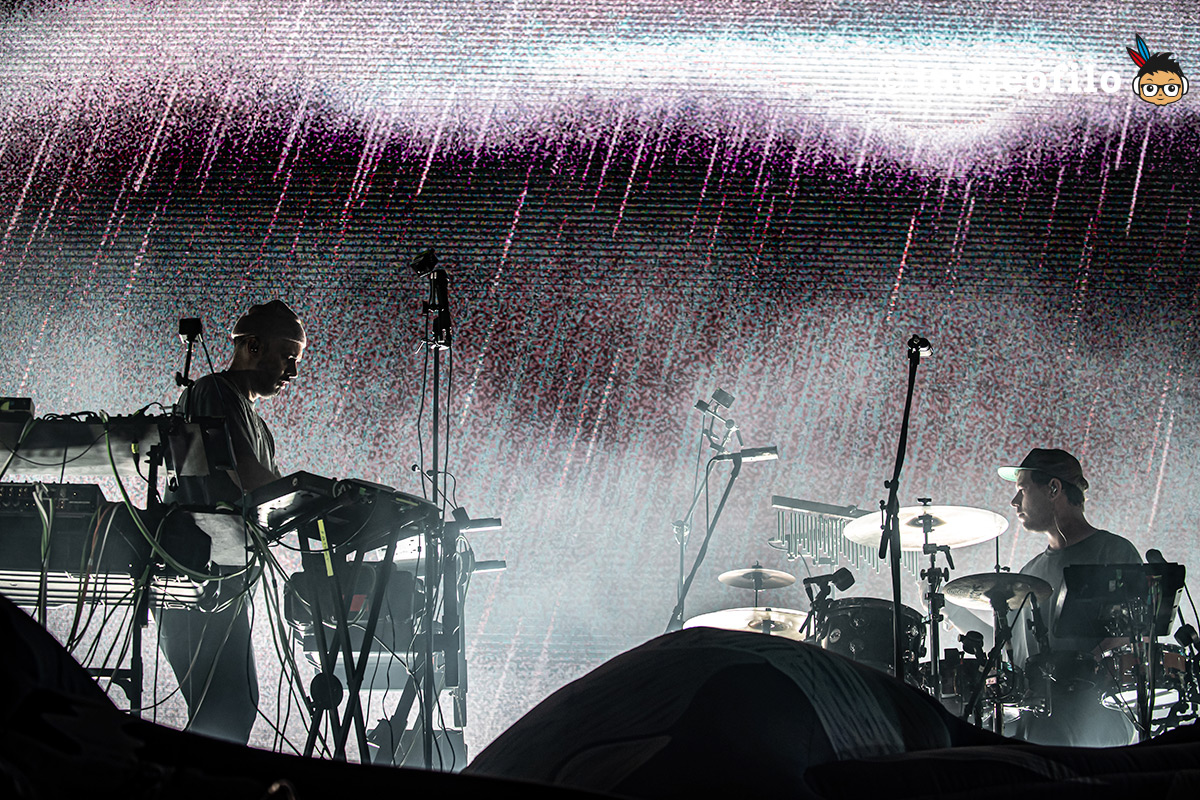
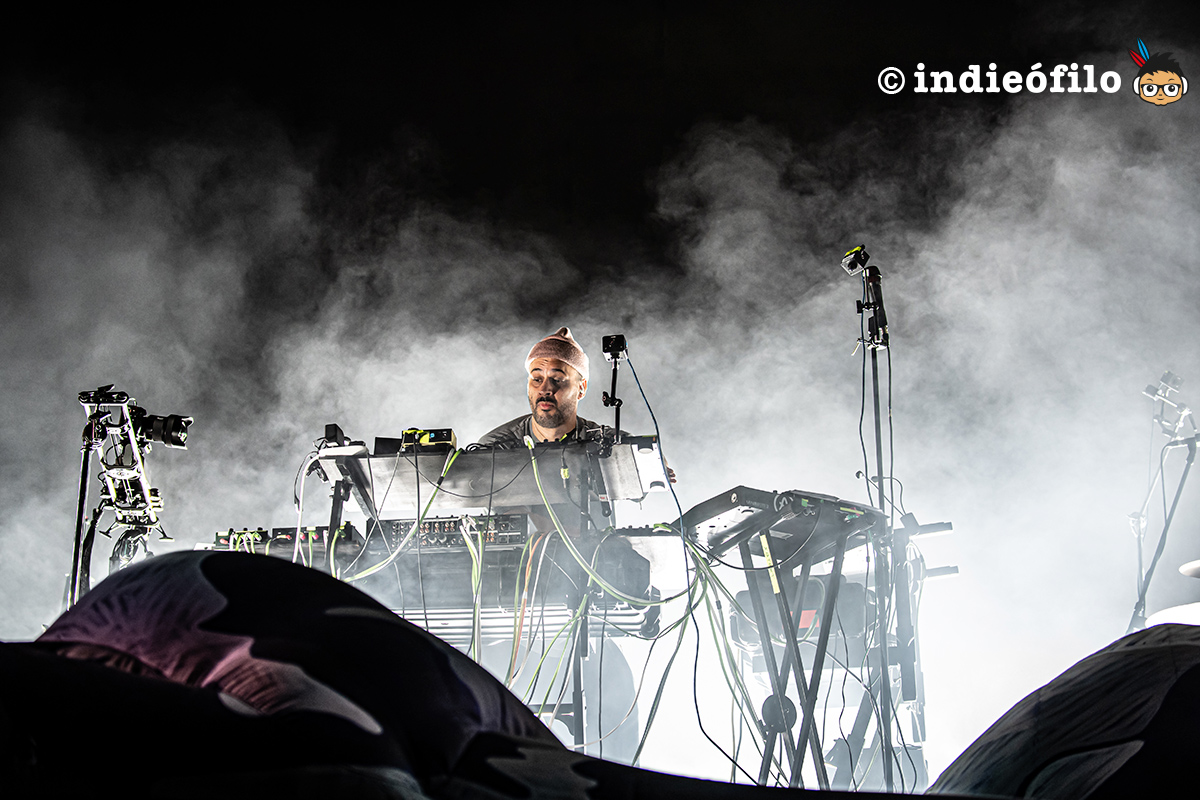
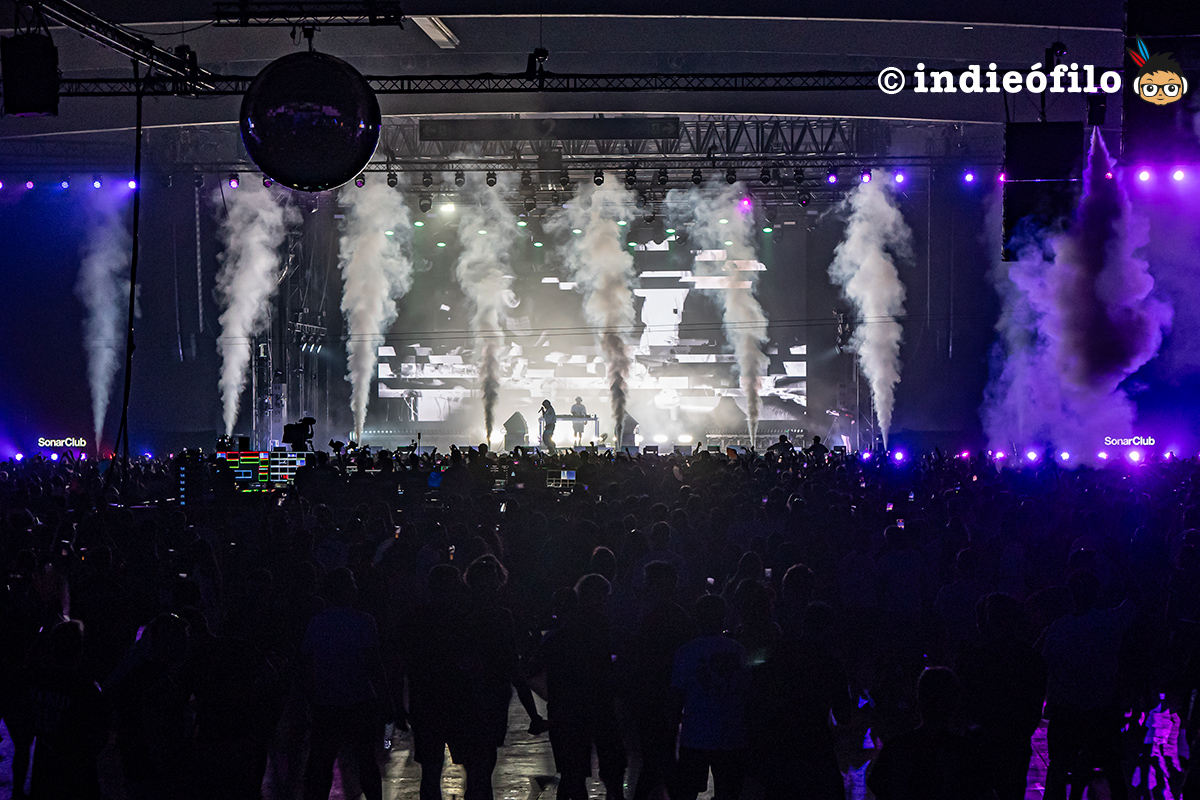
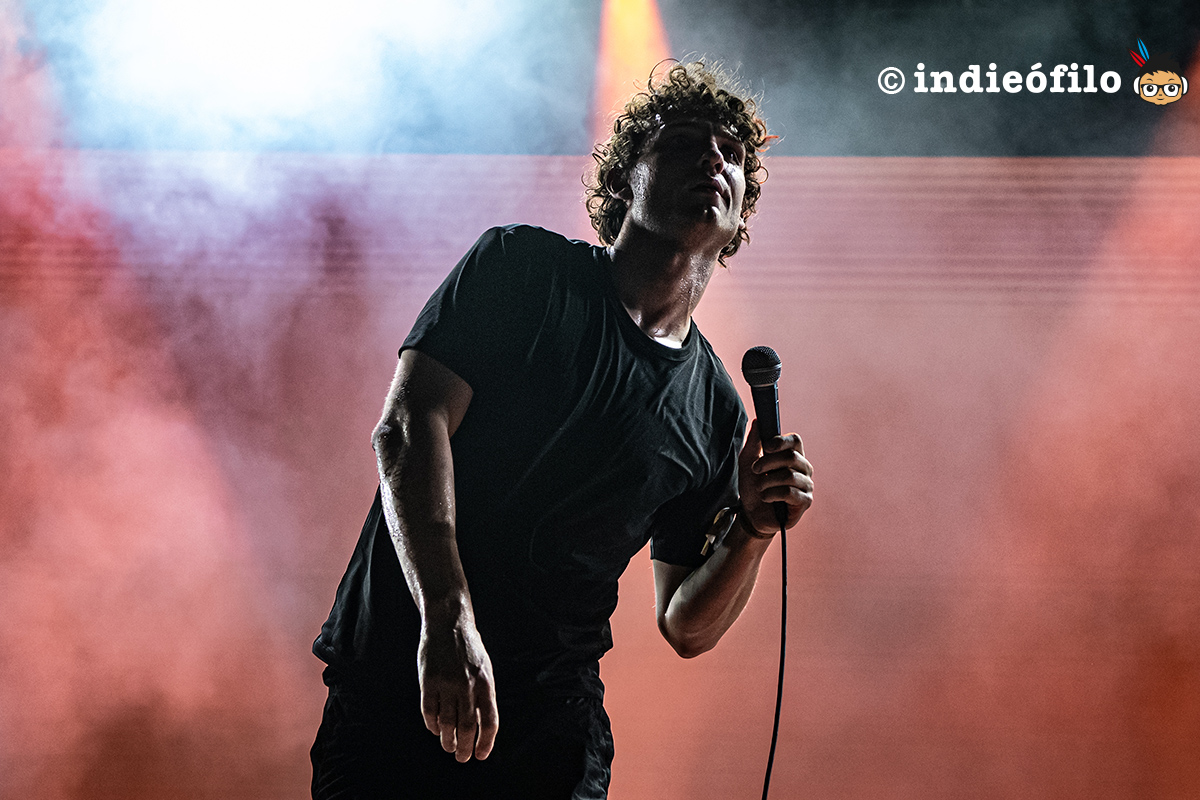

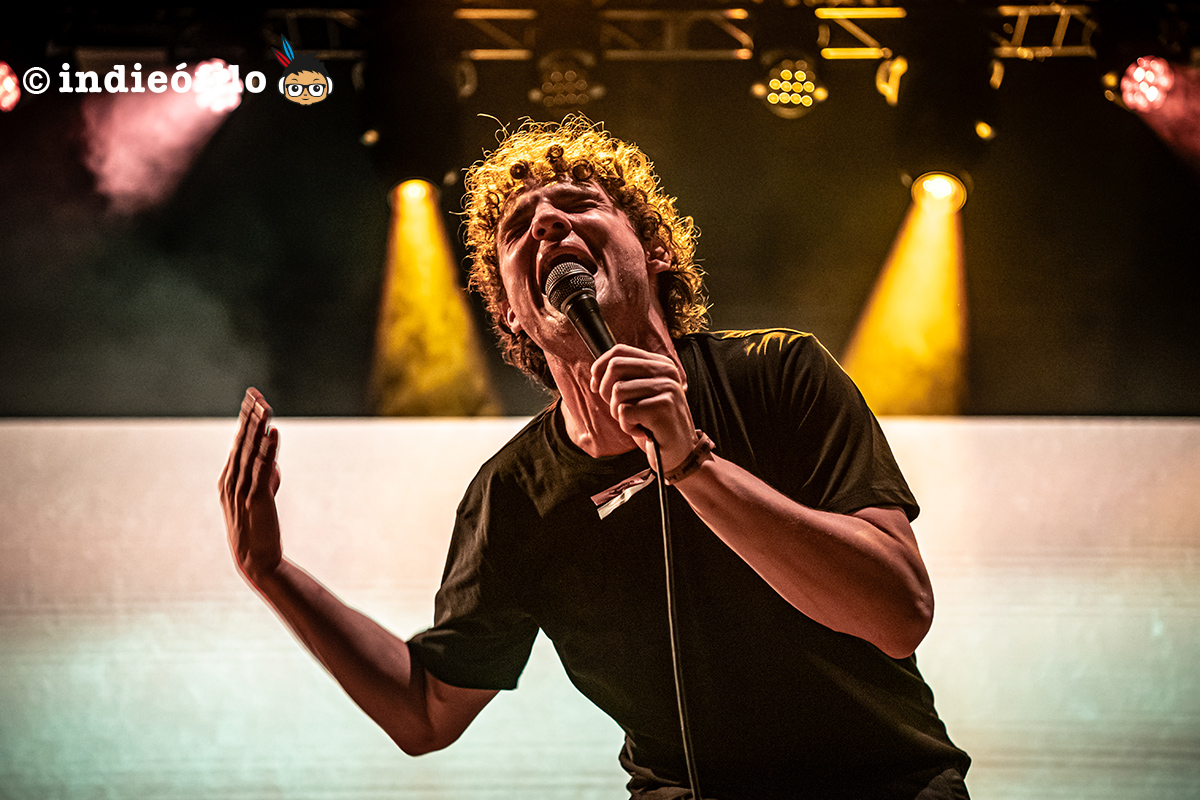
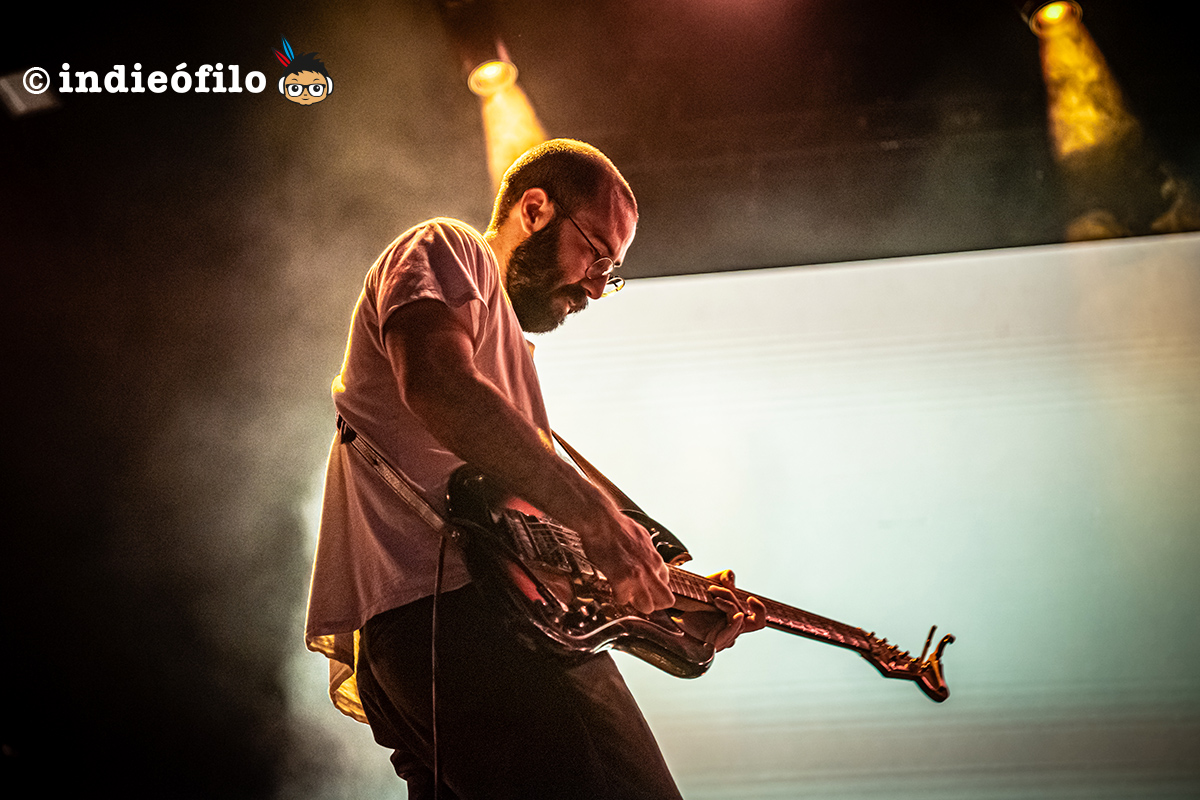
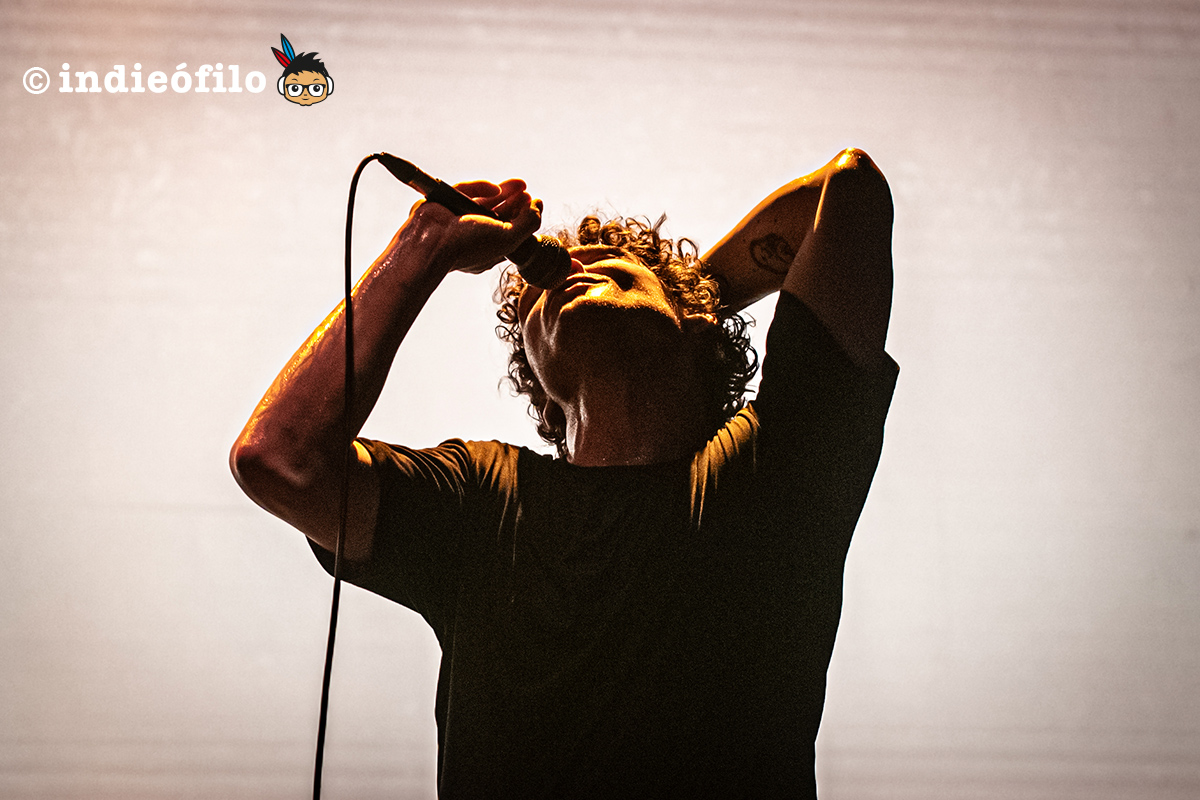
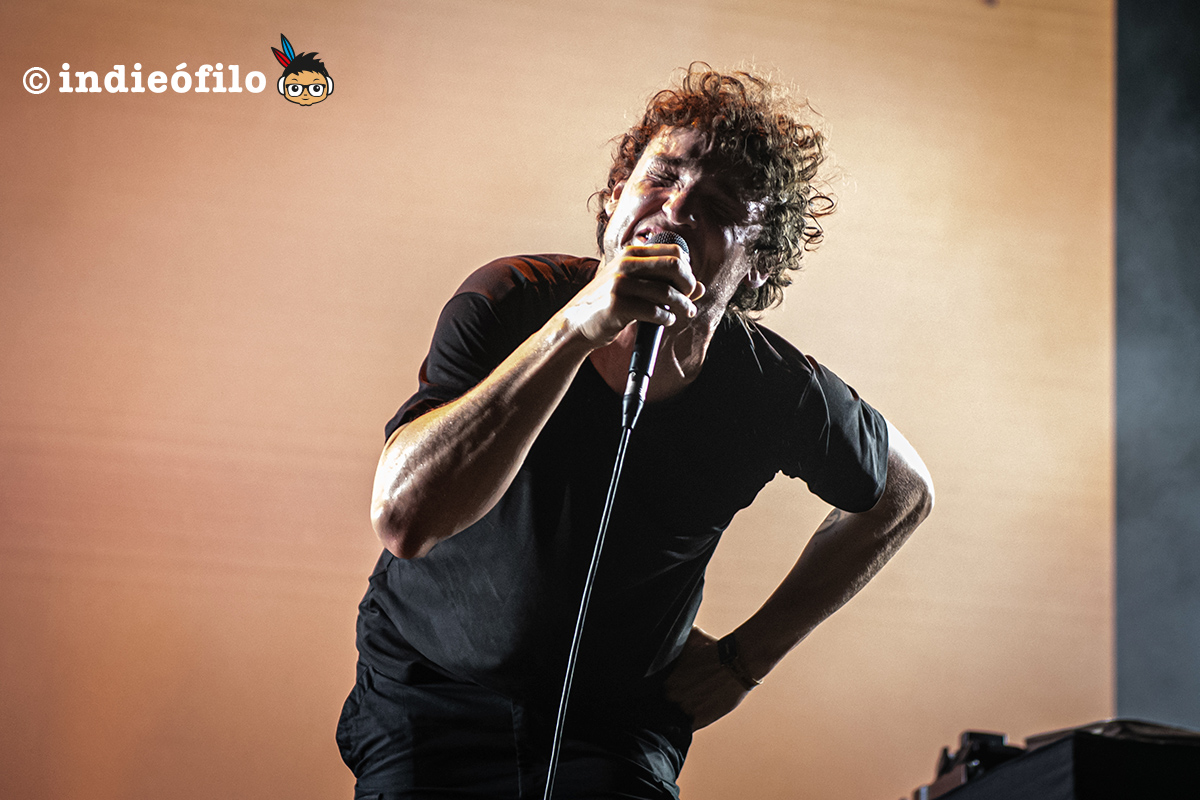

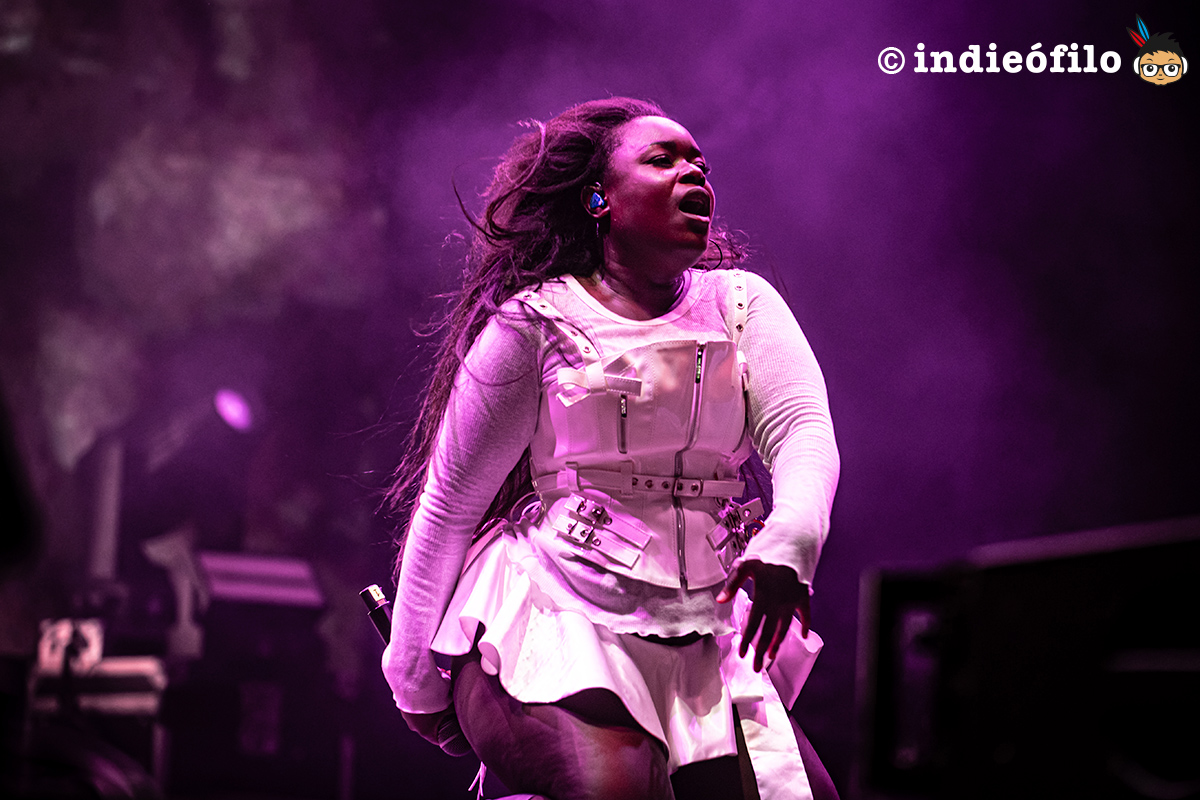
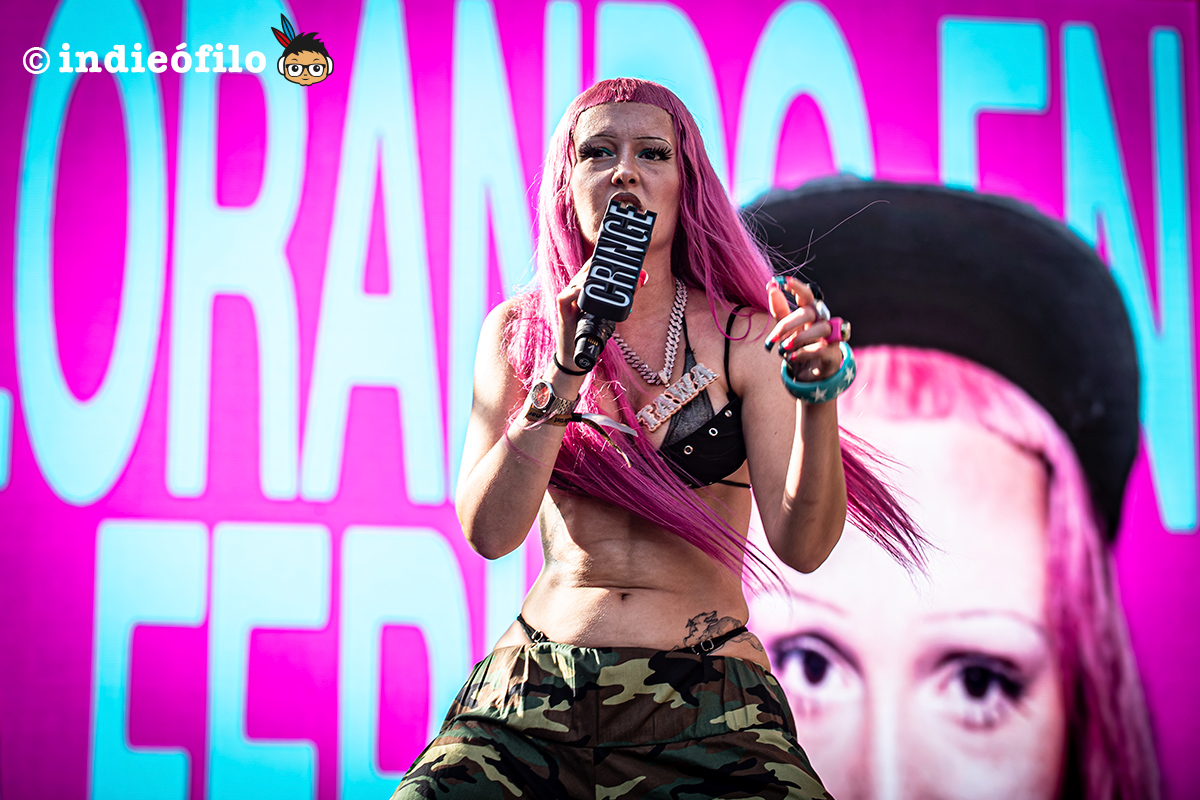
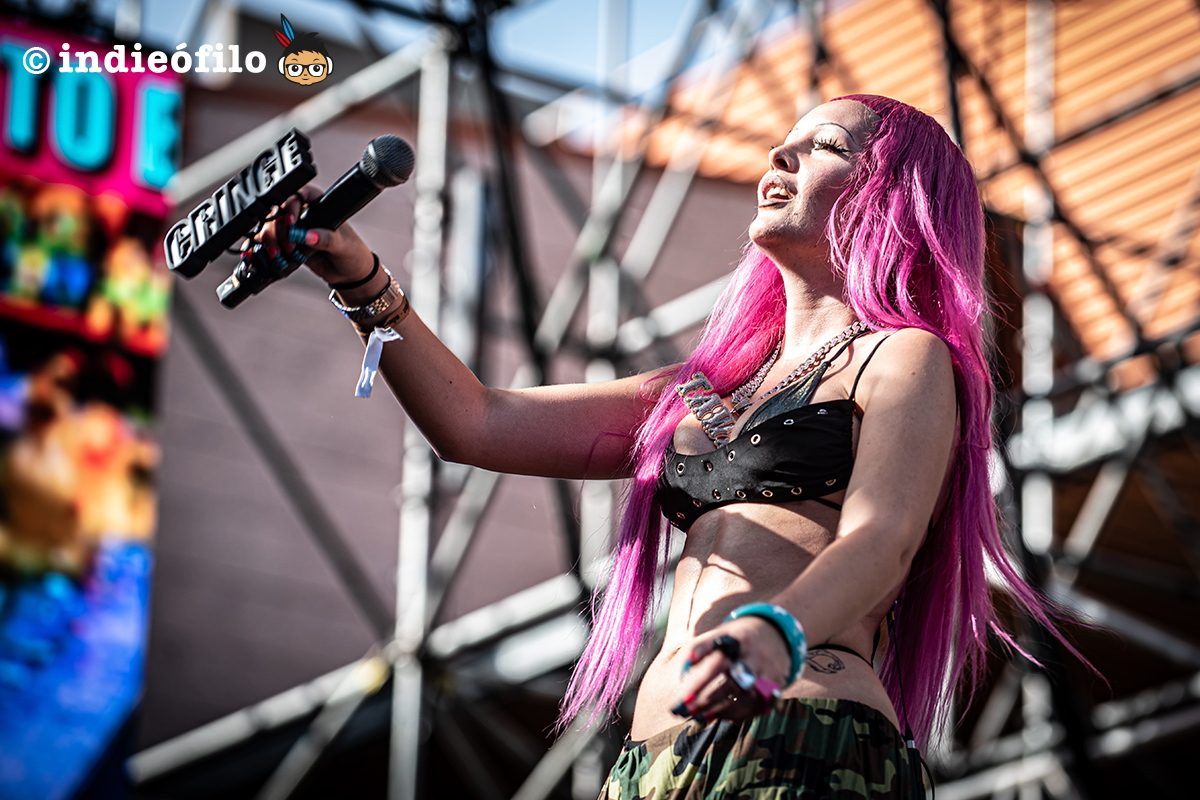
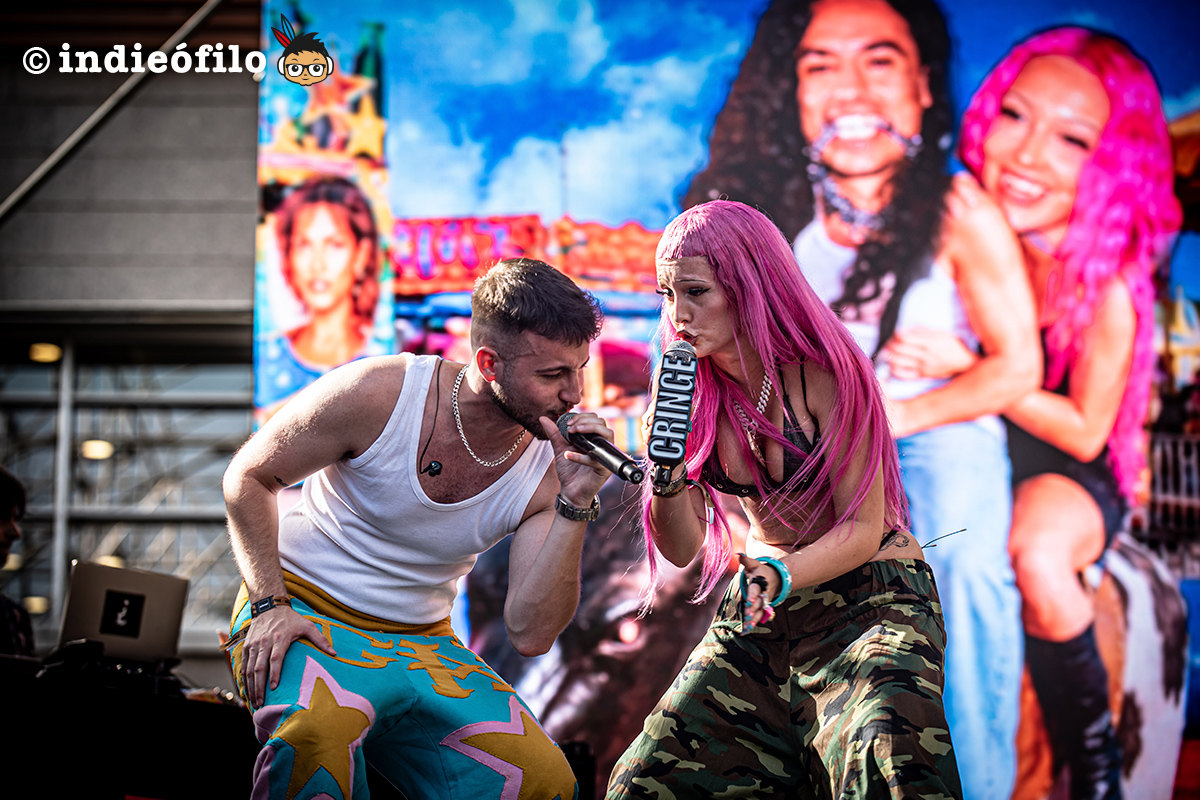
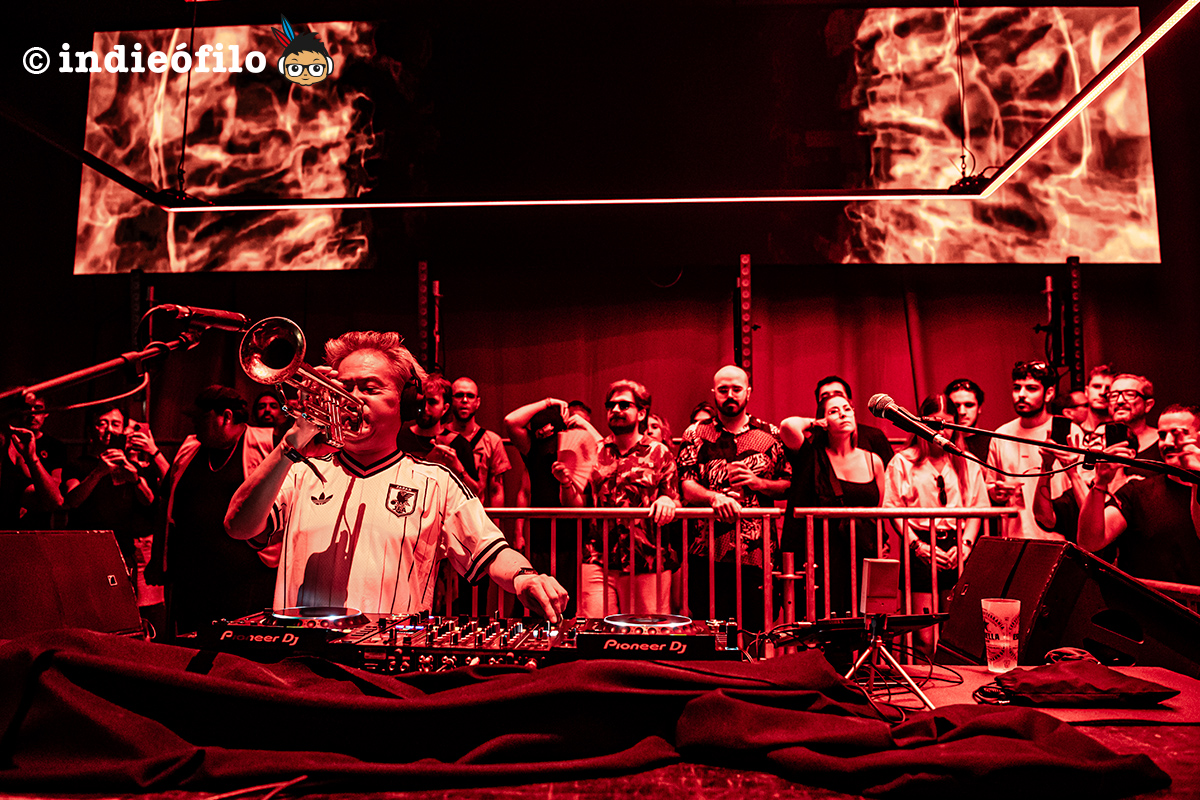
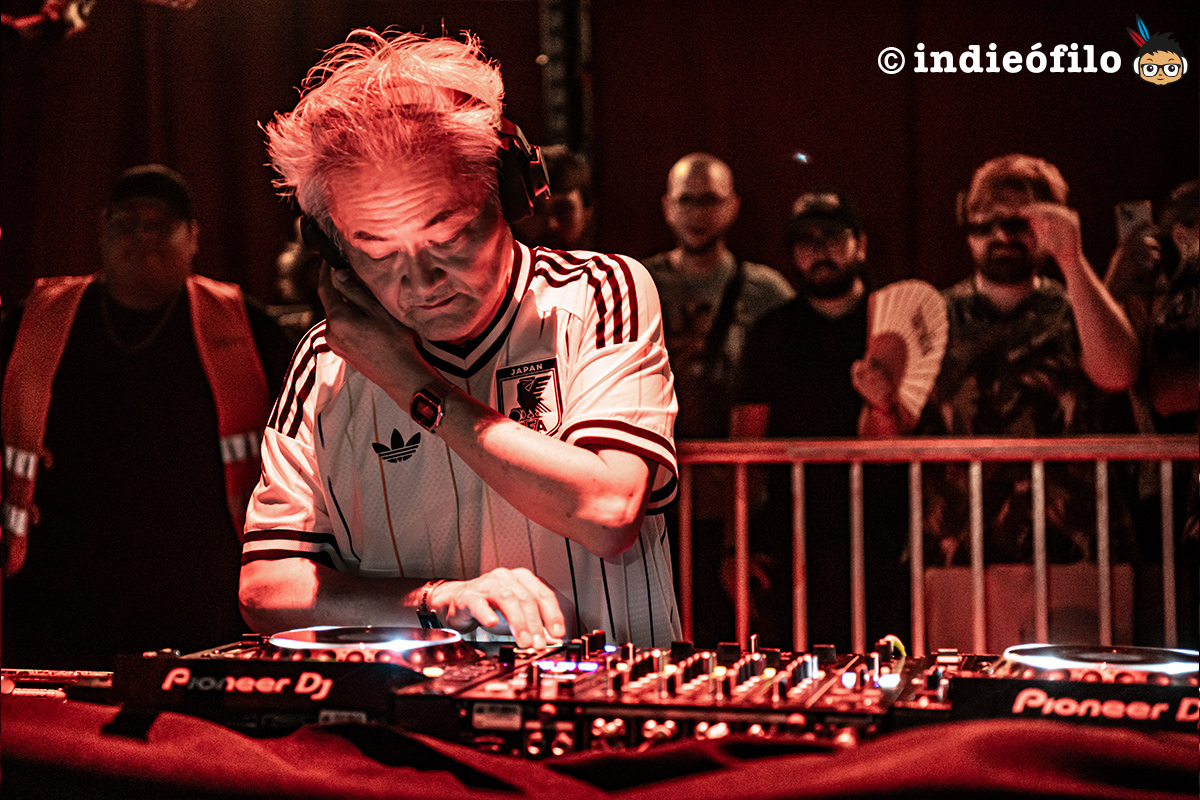
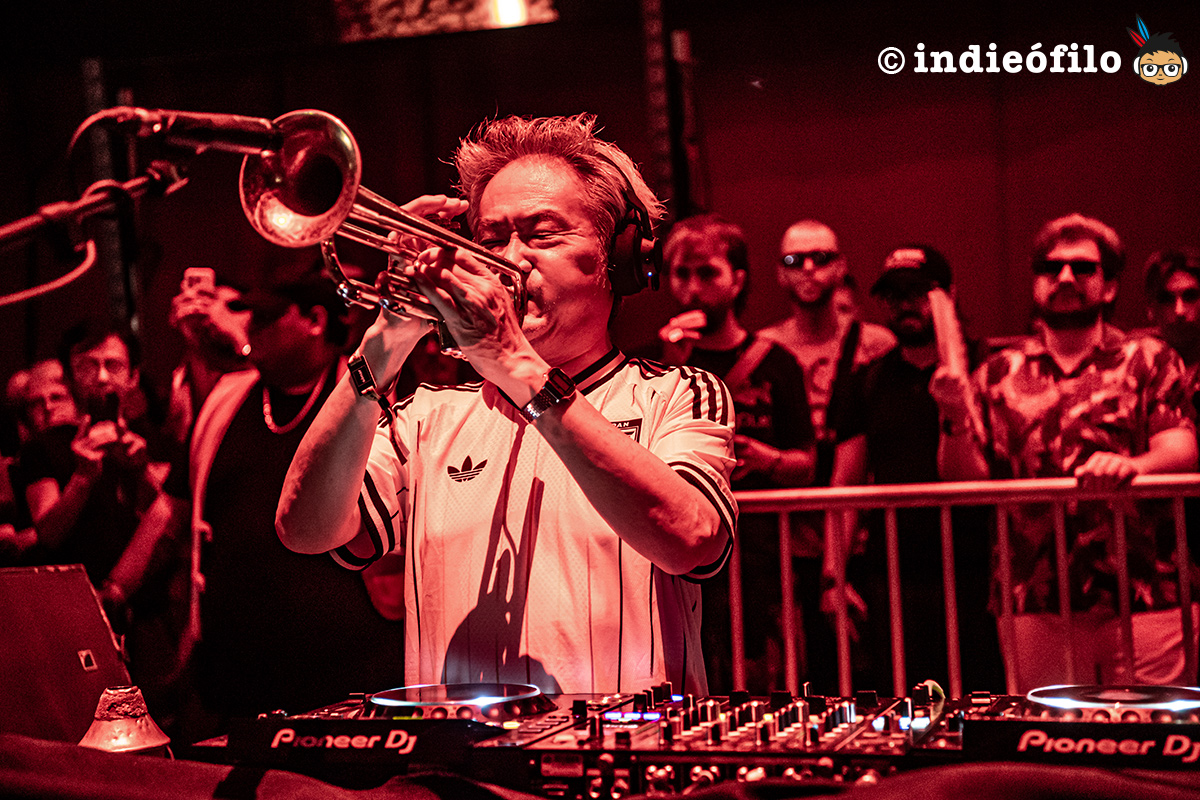
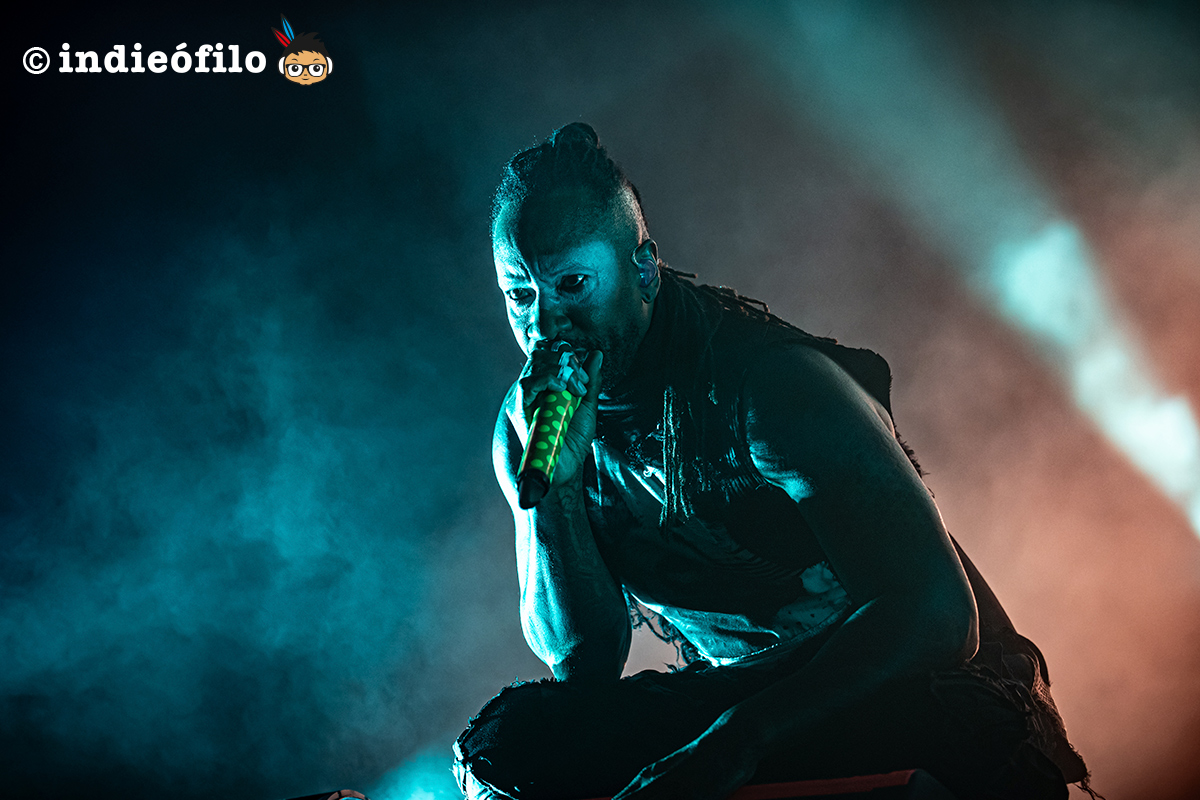
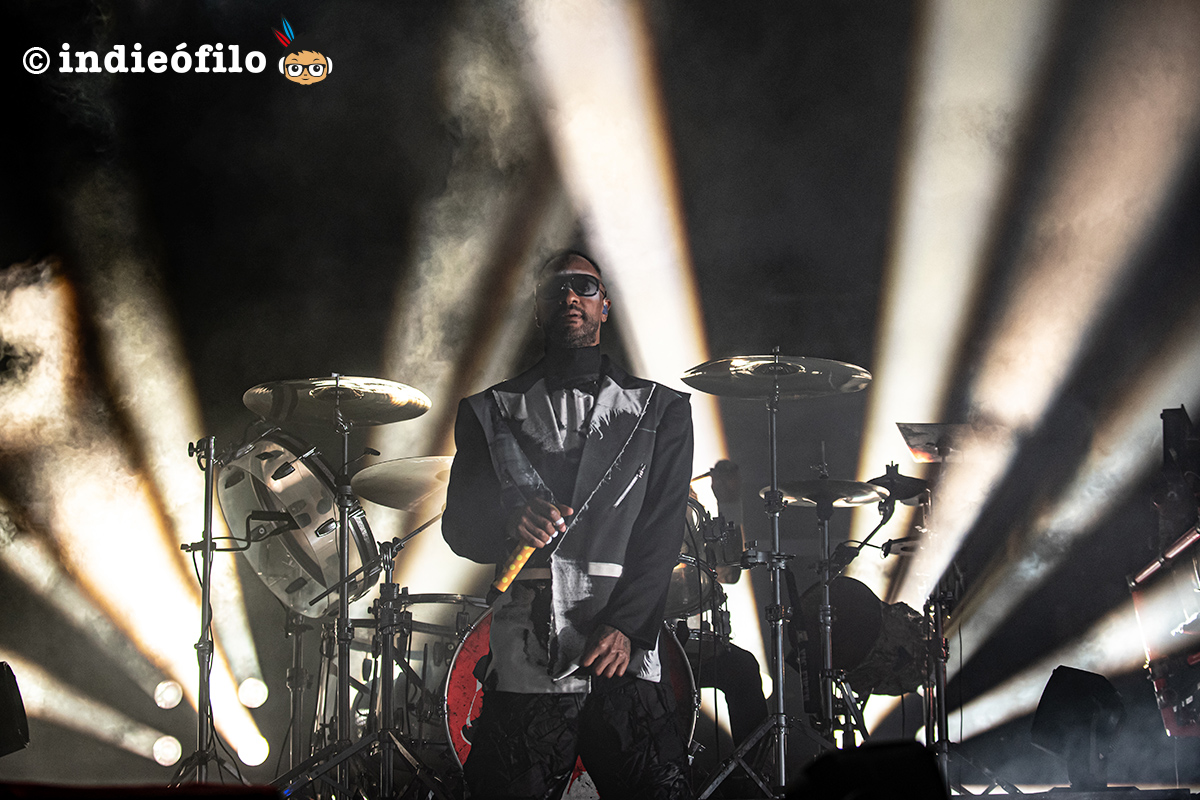
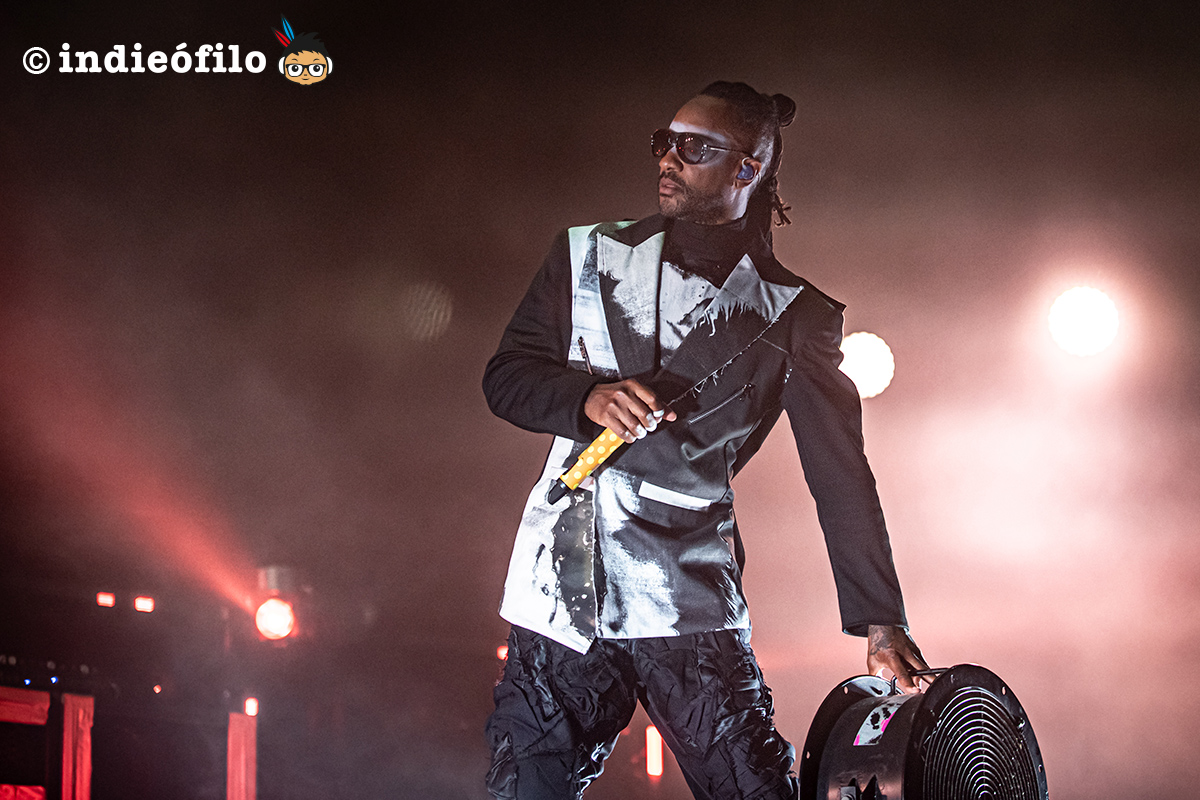
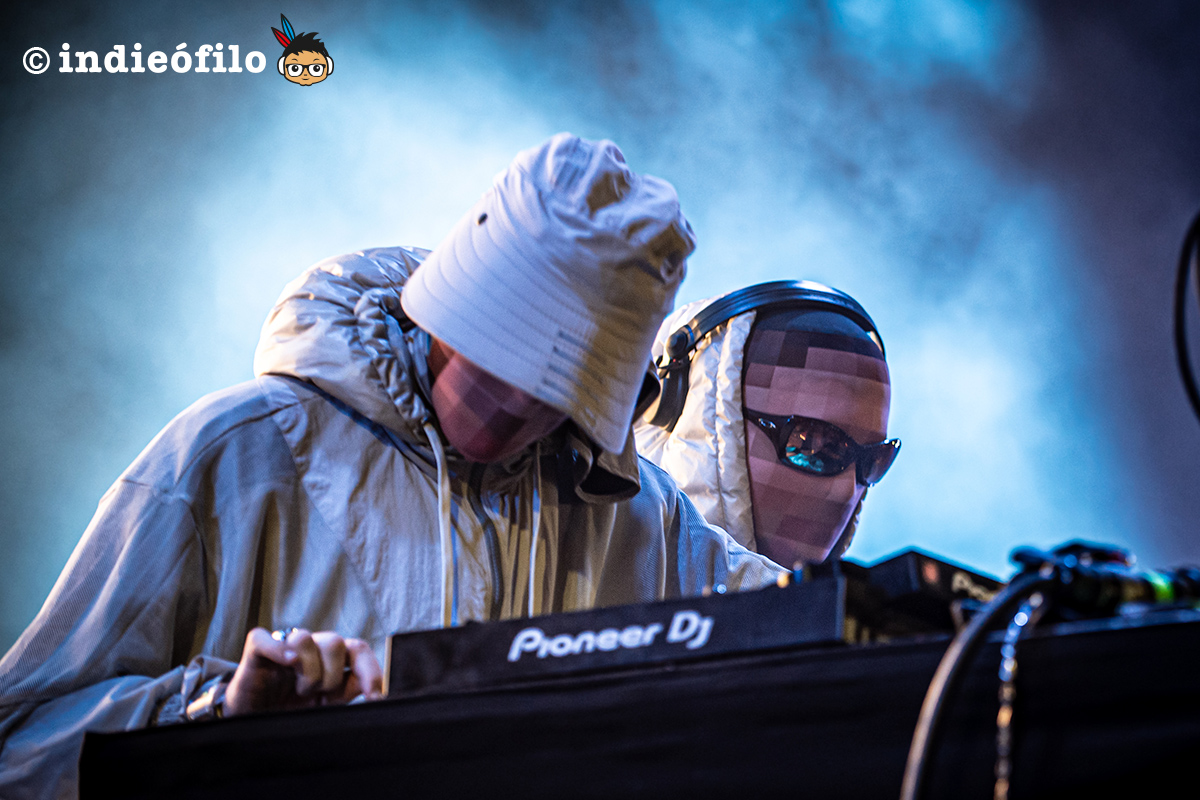
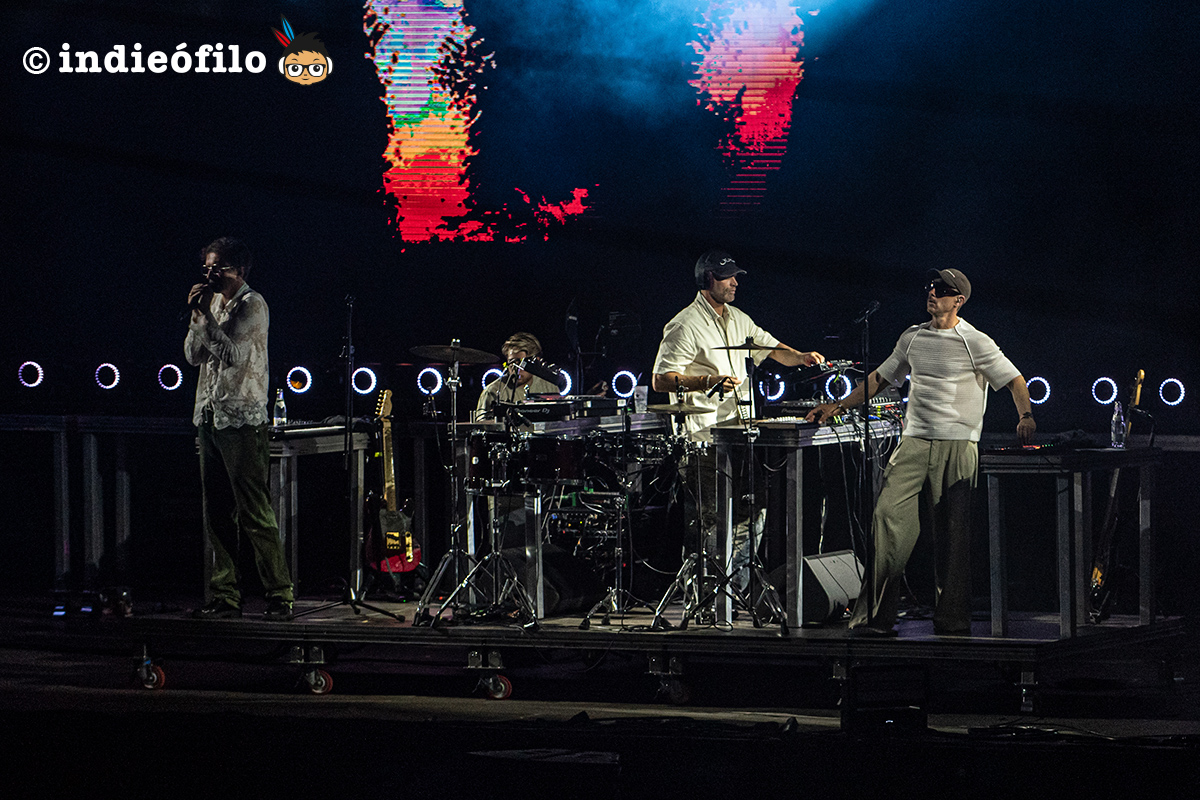
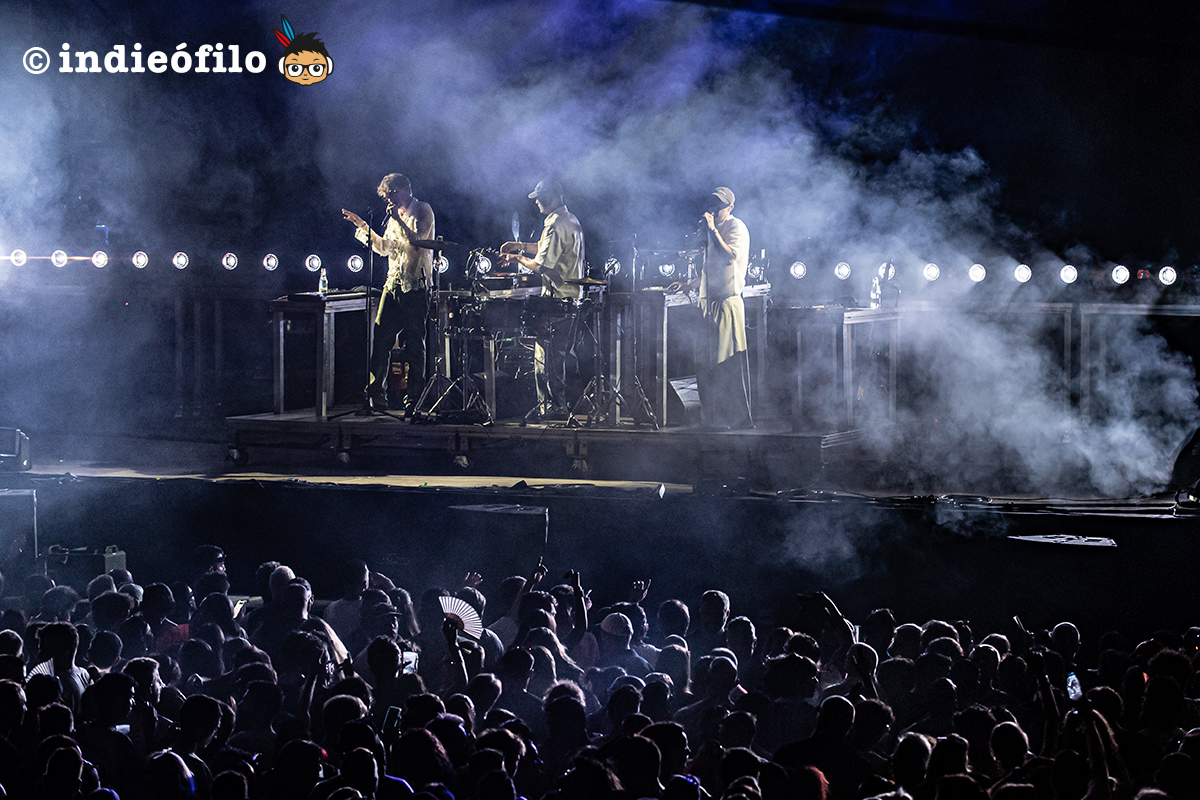
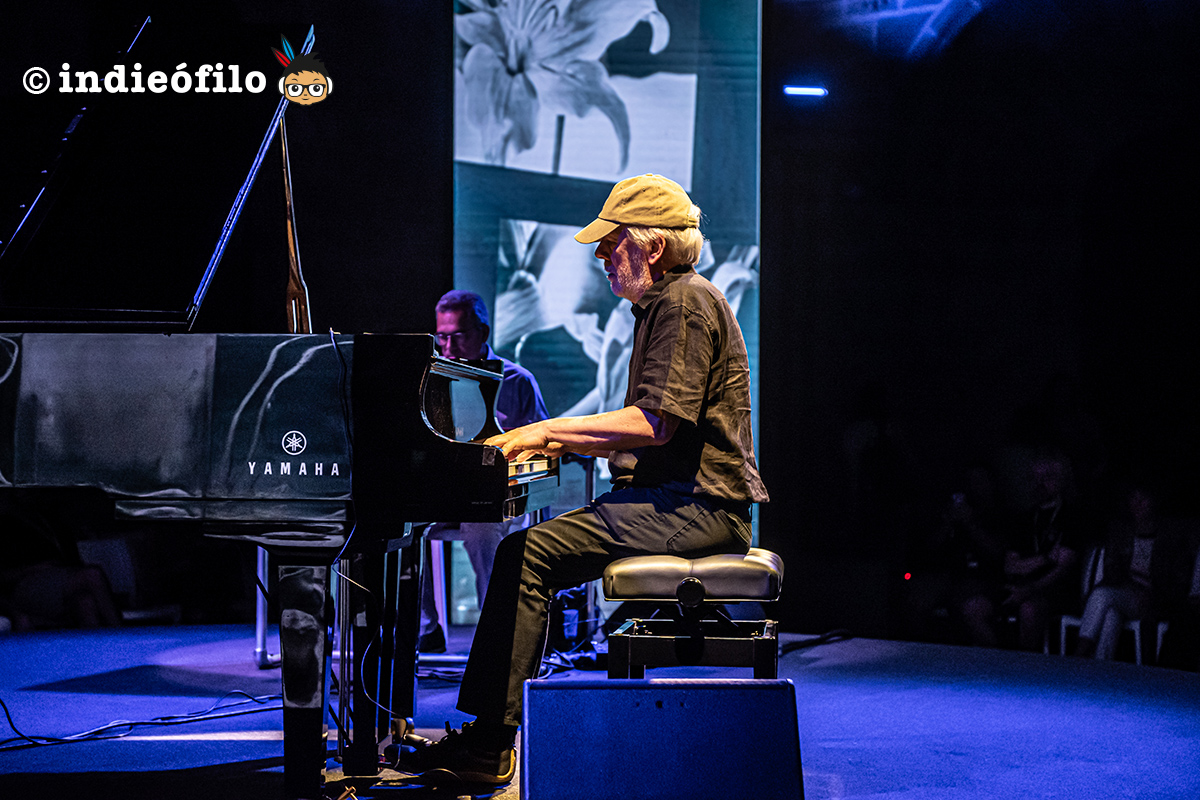
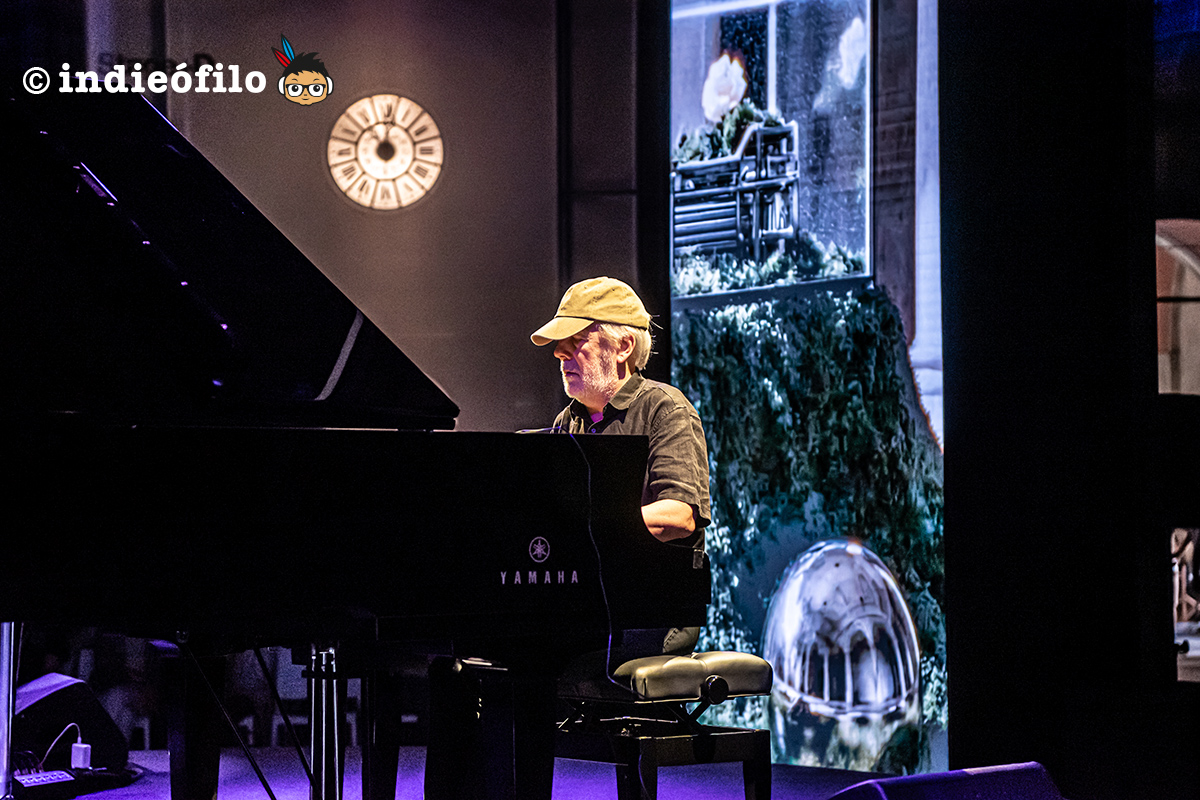
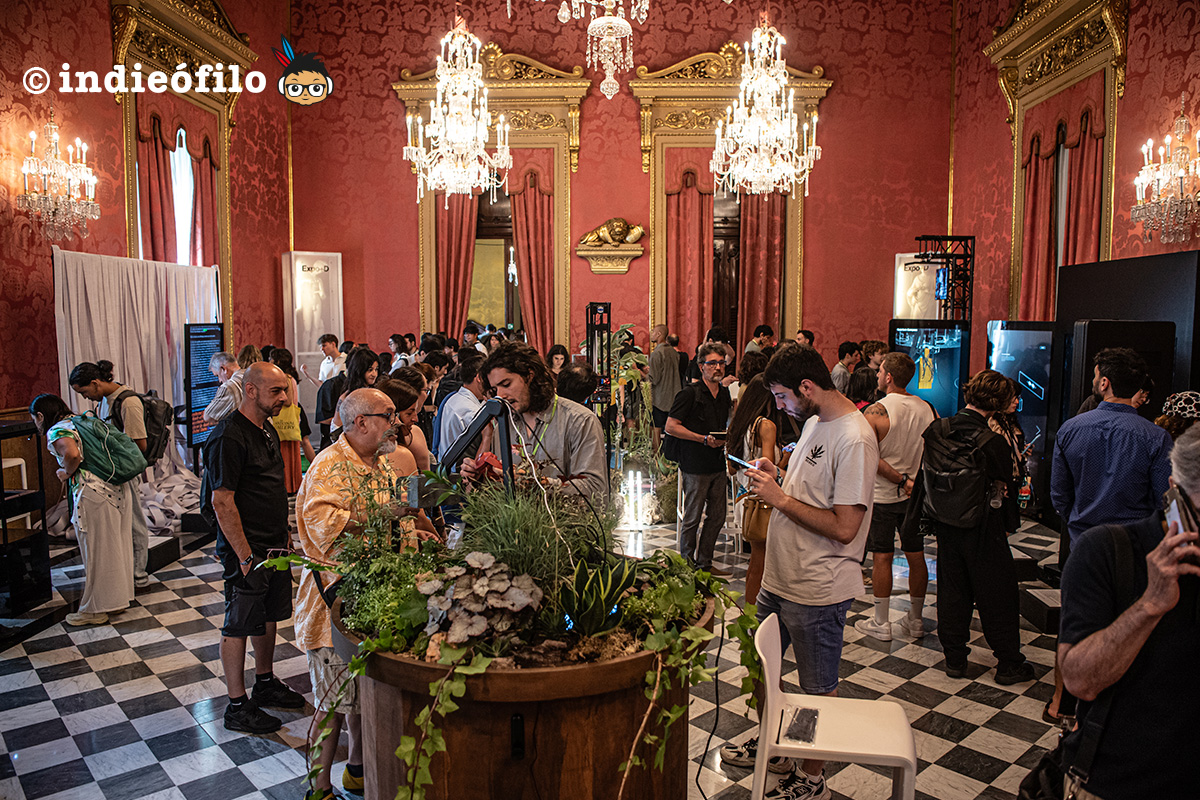
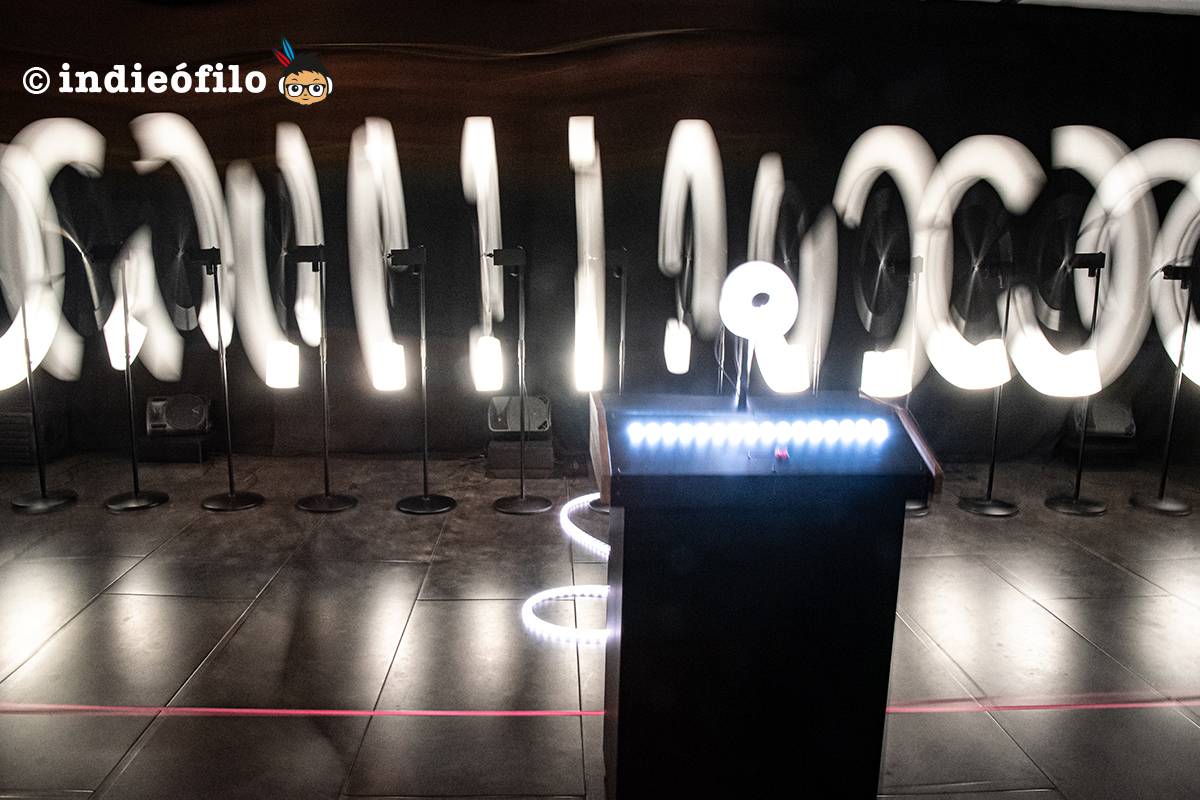
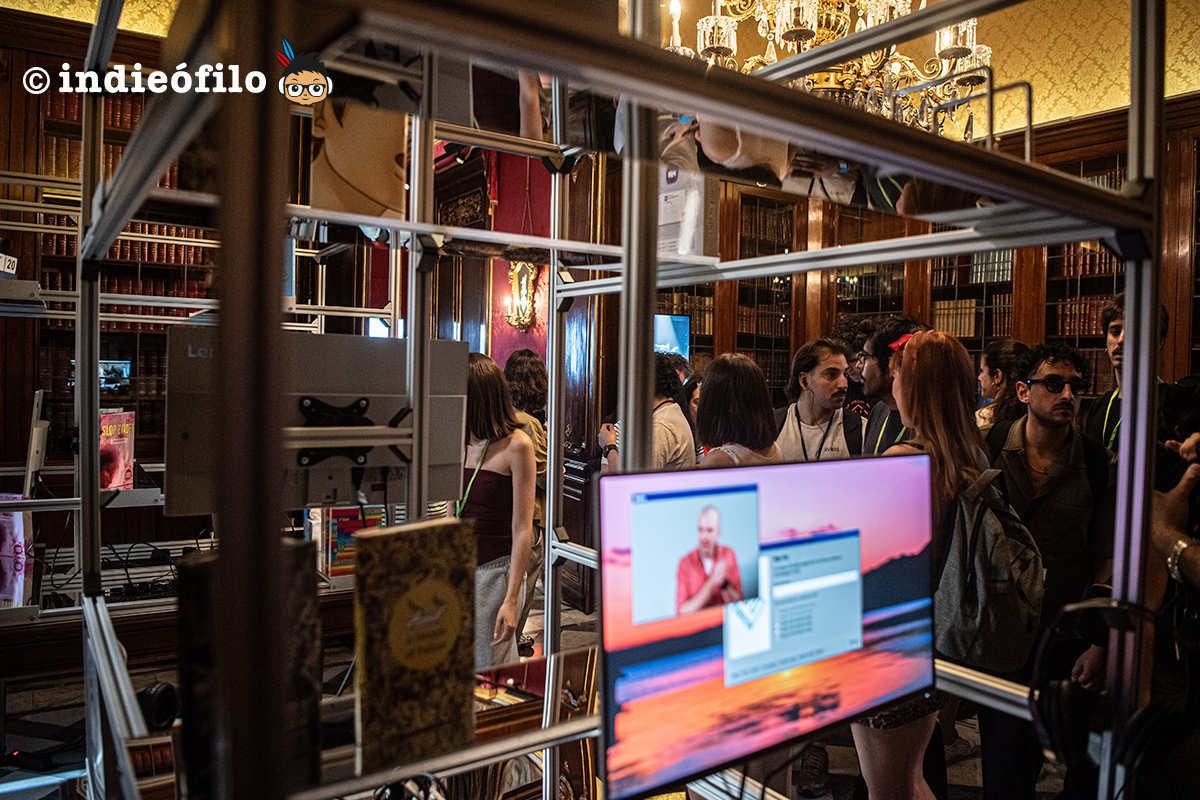


Now that Sónar 2026 has come to an end, we can confirm that this was a transformative edition, with club culture once again taking centre stage. However, the lack of a distinctive visual identity for the 33rd edition was surprising, as was the absence of the now-traditional rucksack that has become a staple of every edition. The inclusion of other art forms beyond the spectacular immersive installation Organysmo, created by LedPulse, was also notable.
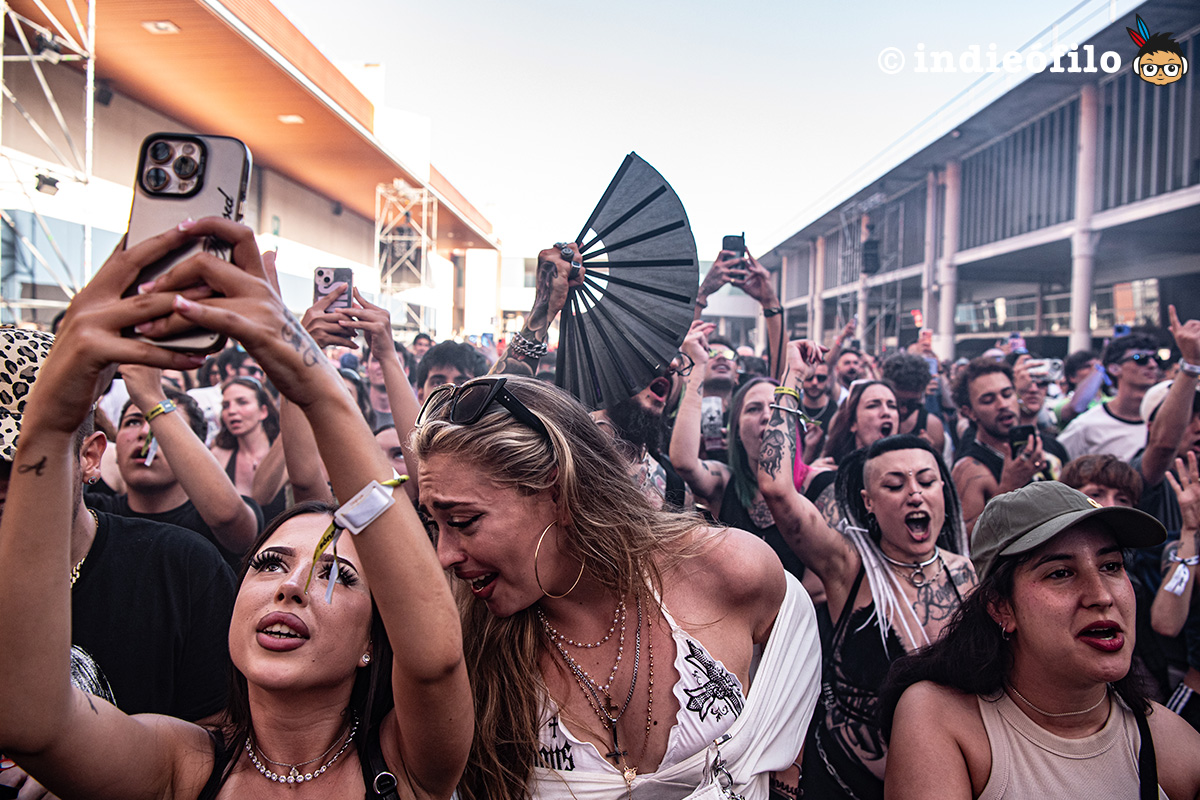
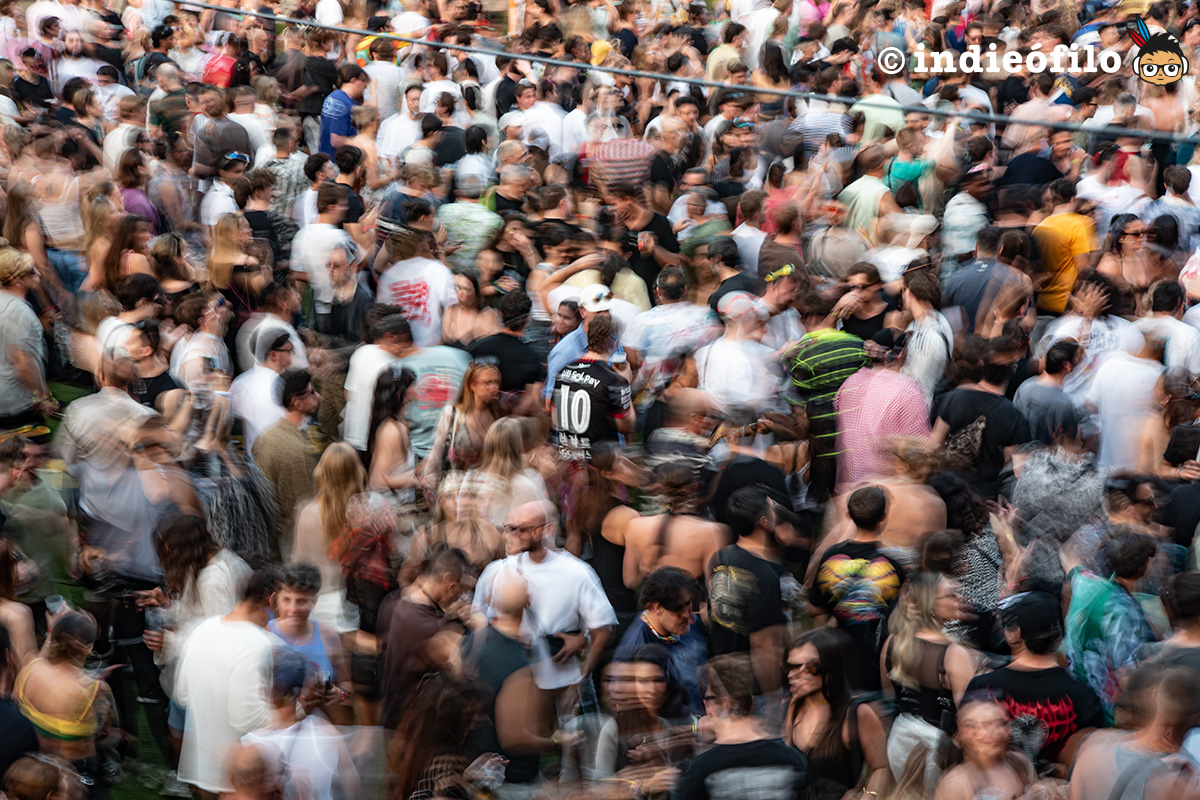
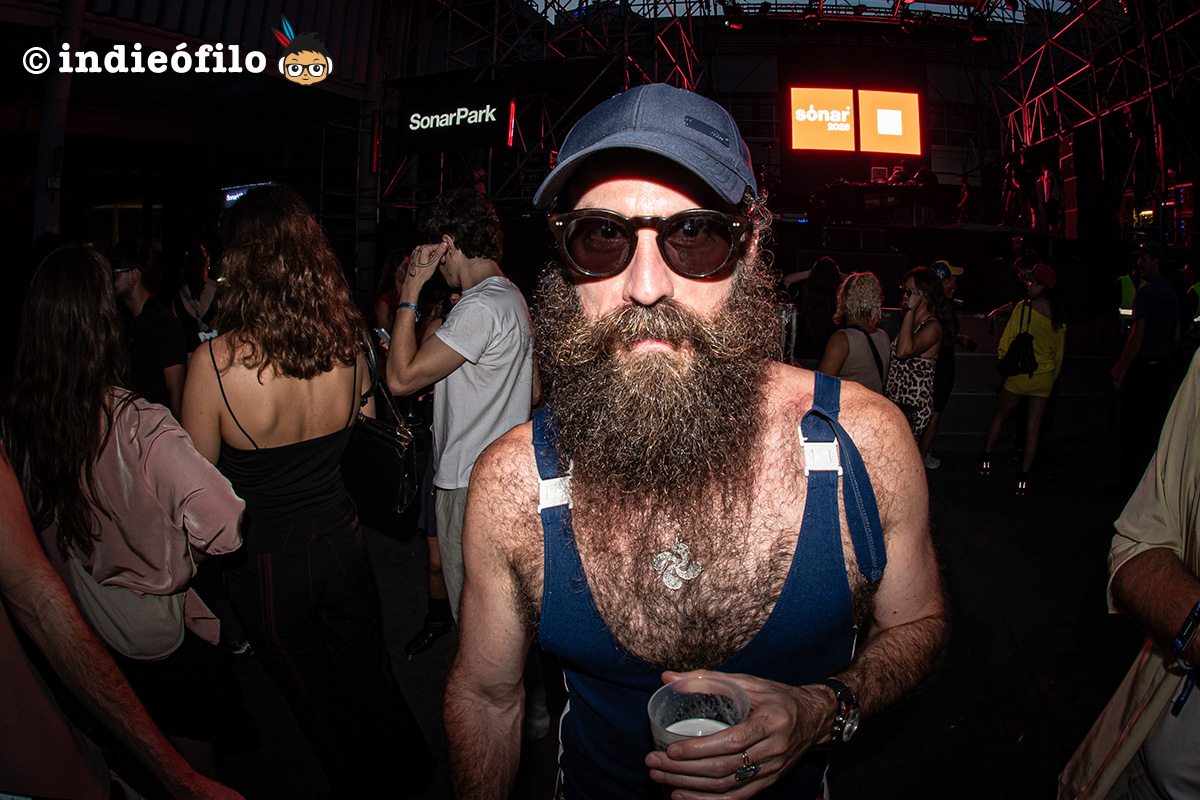
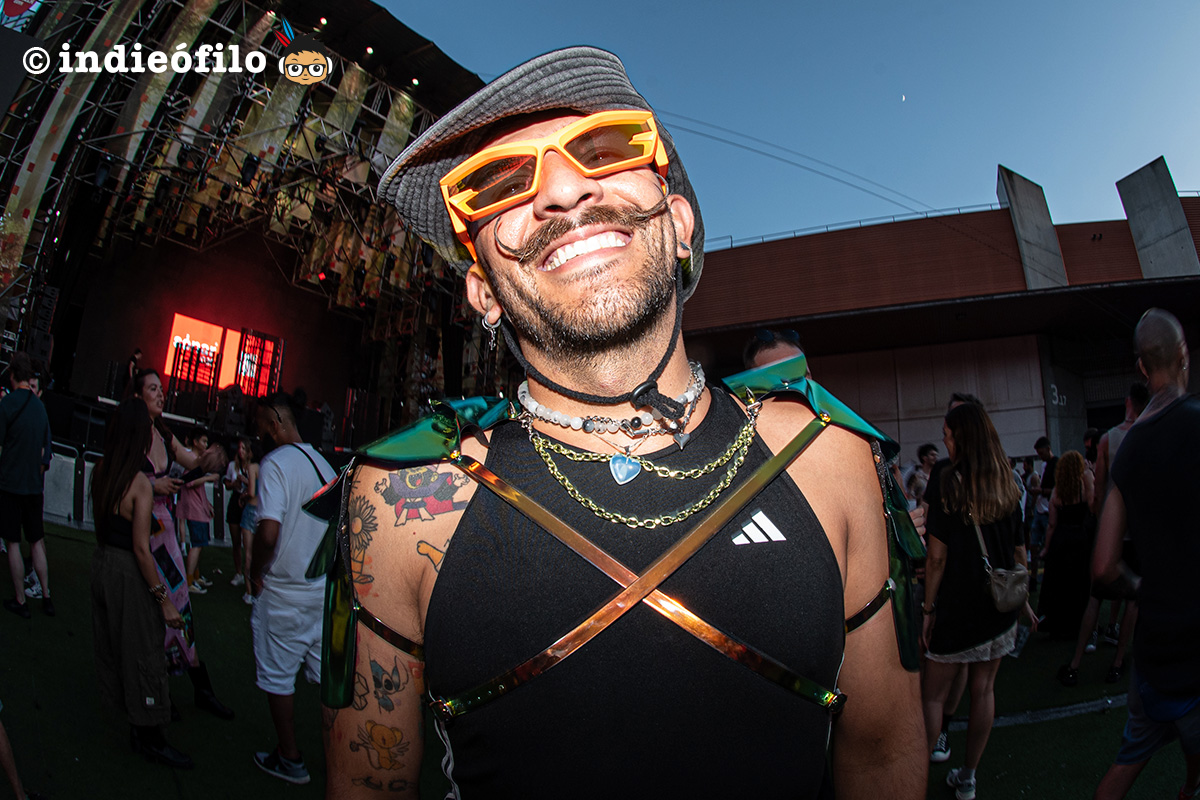
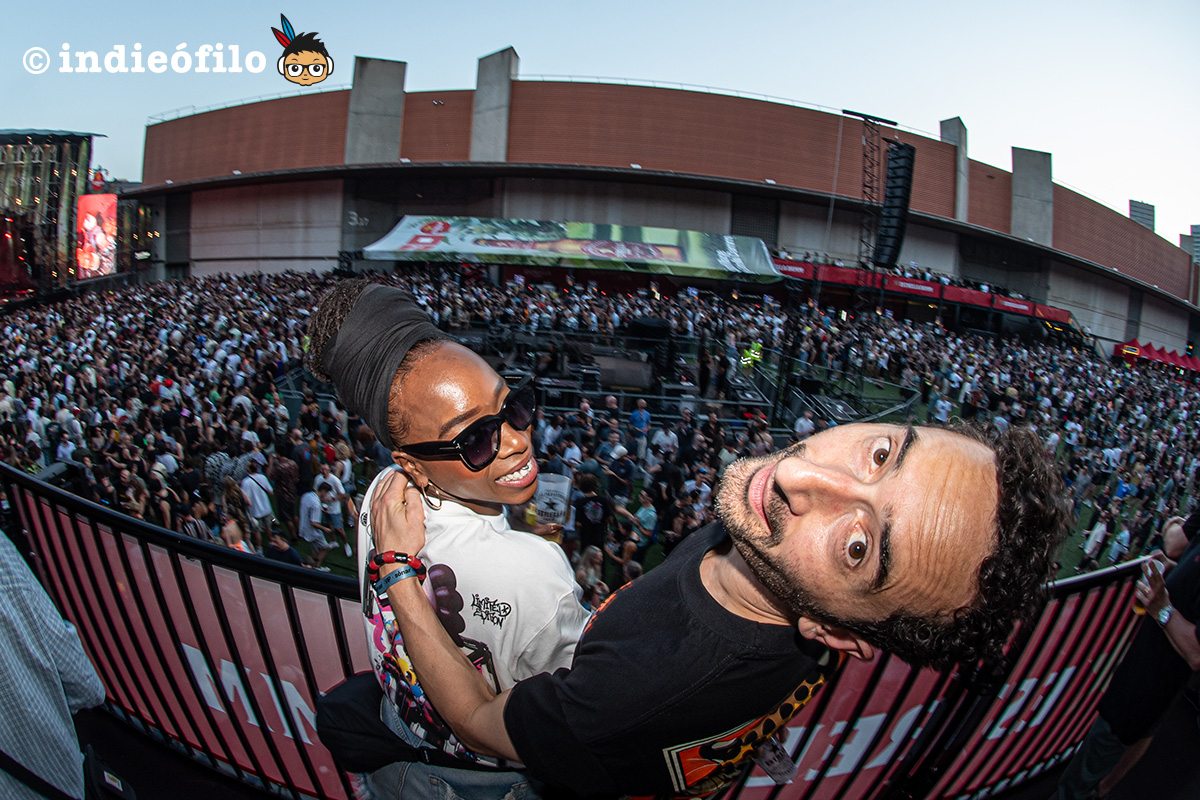
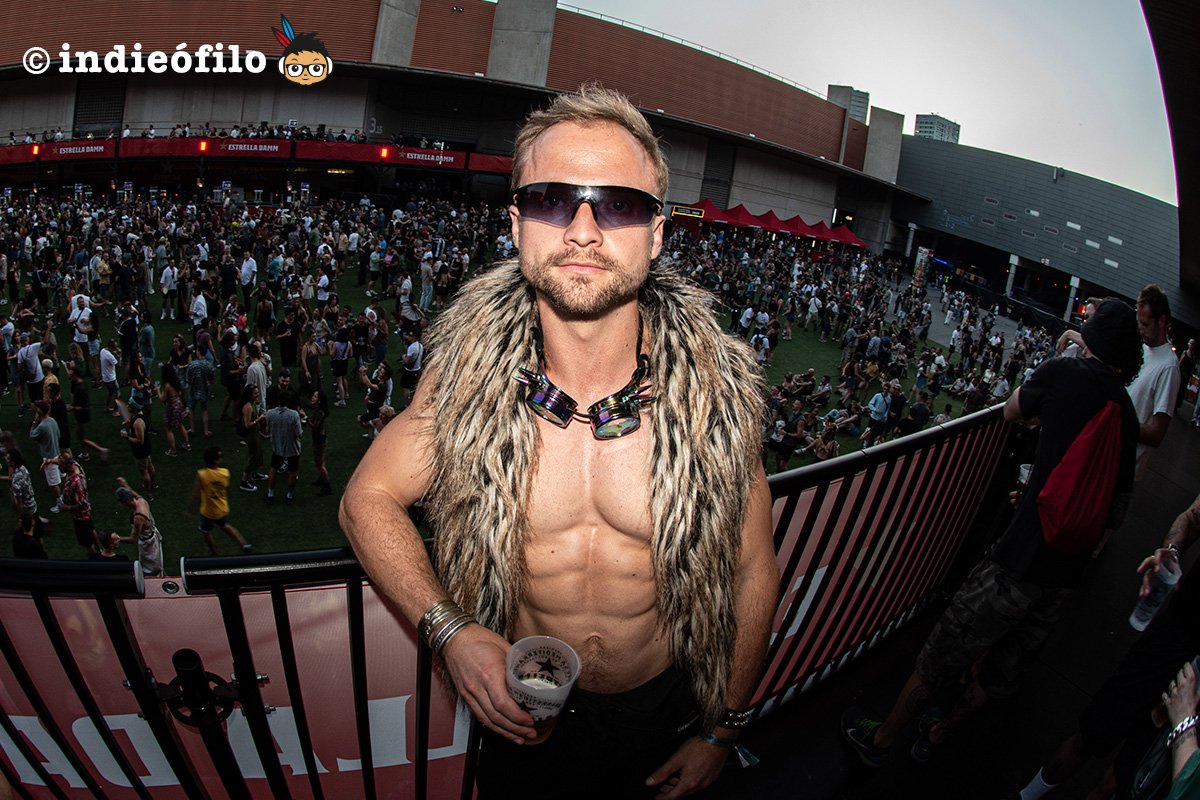
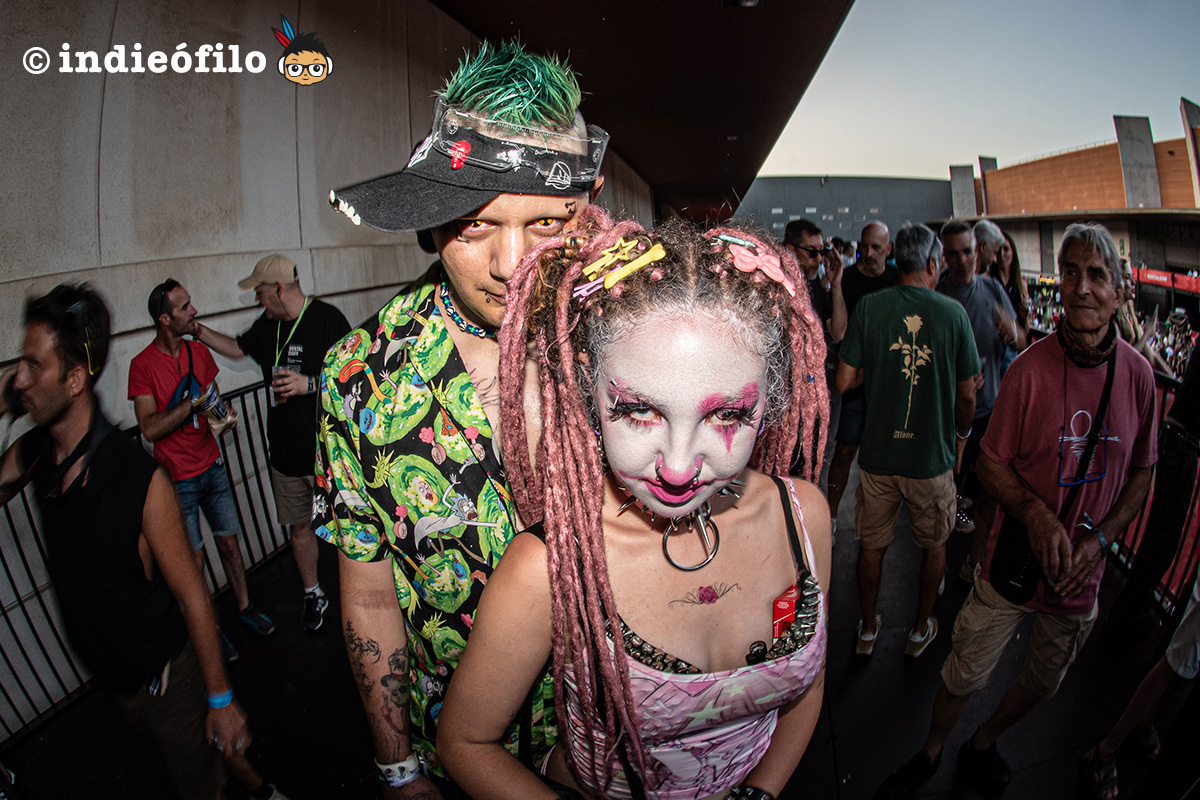
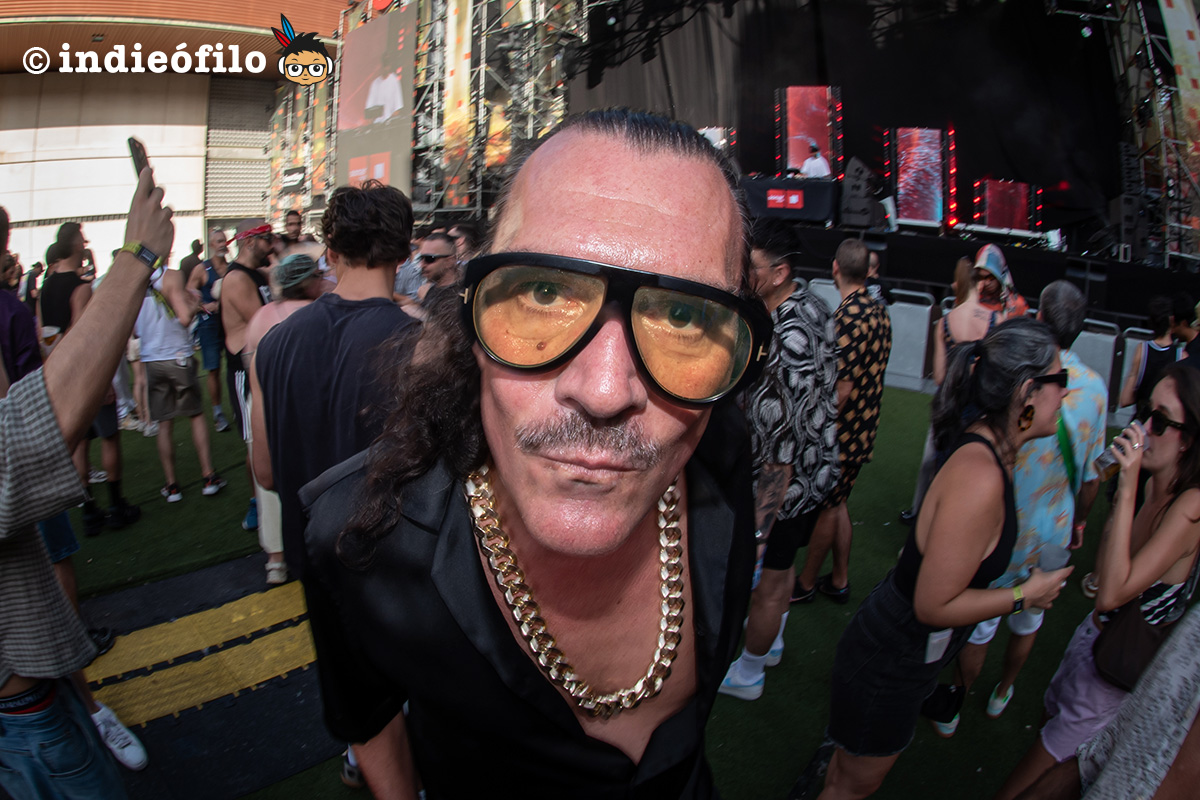
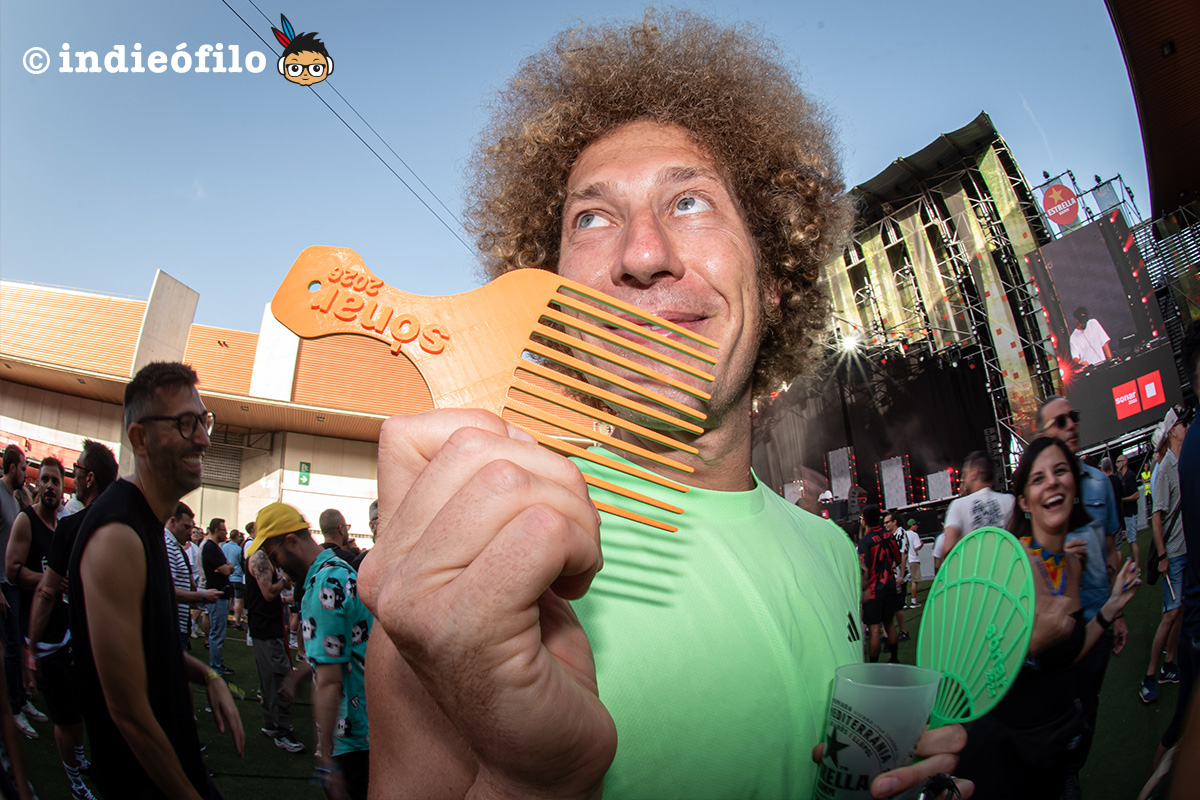
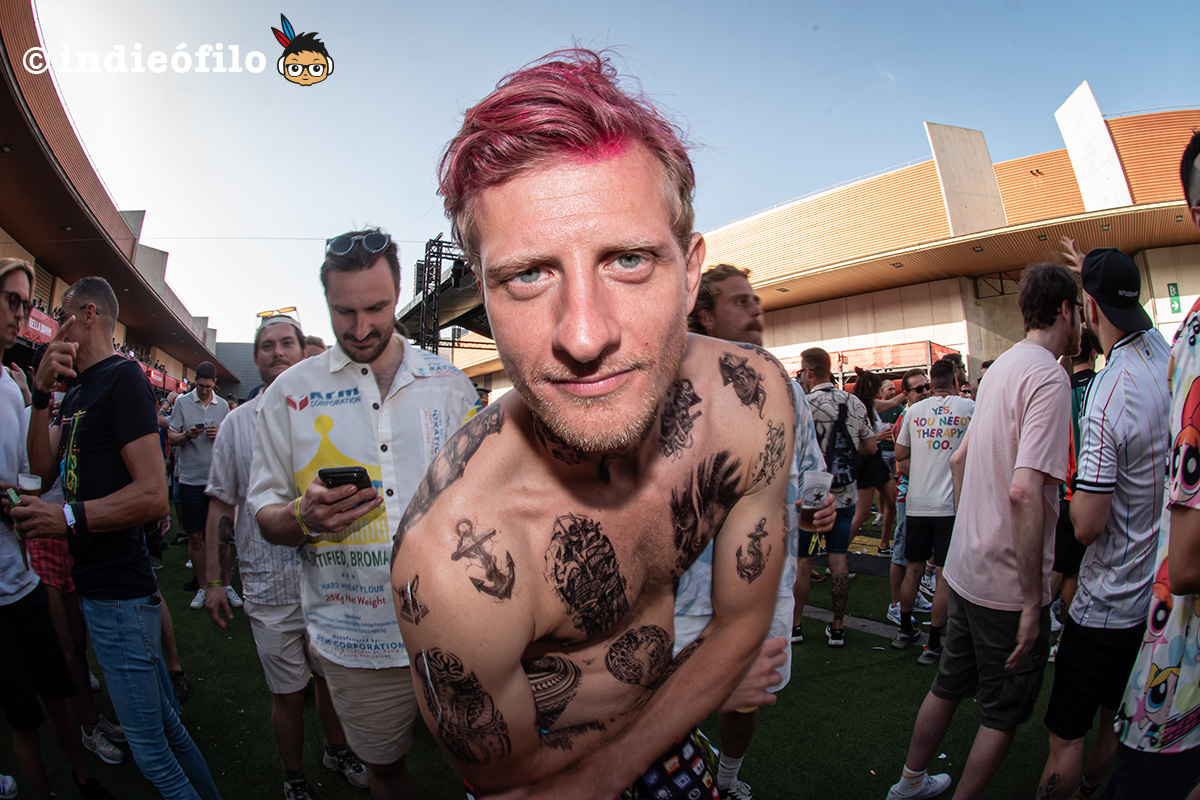
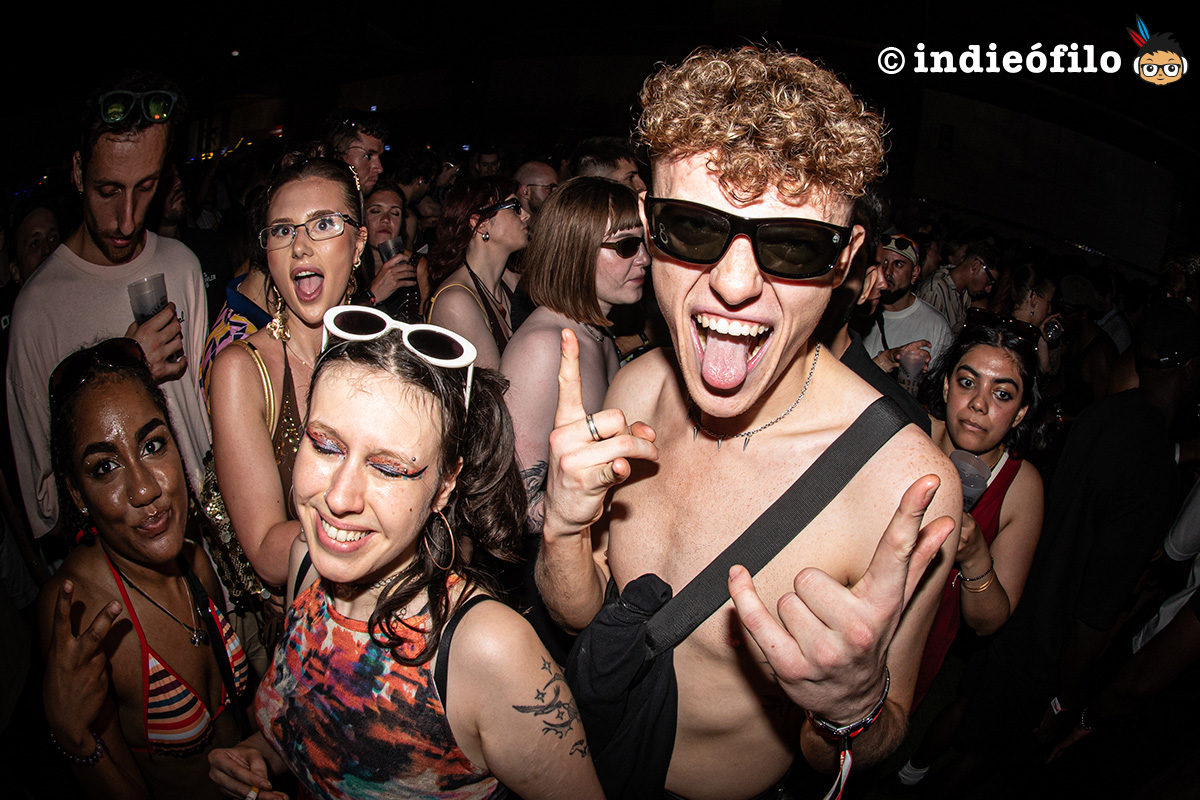
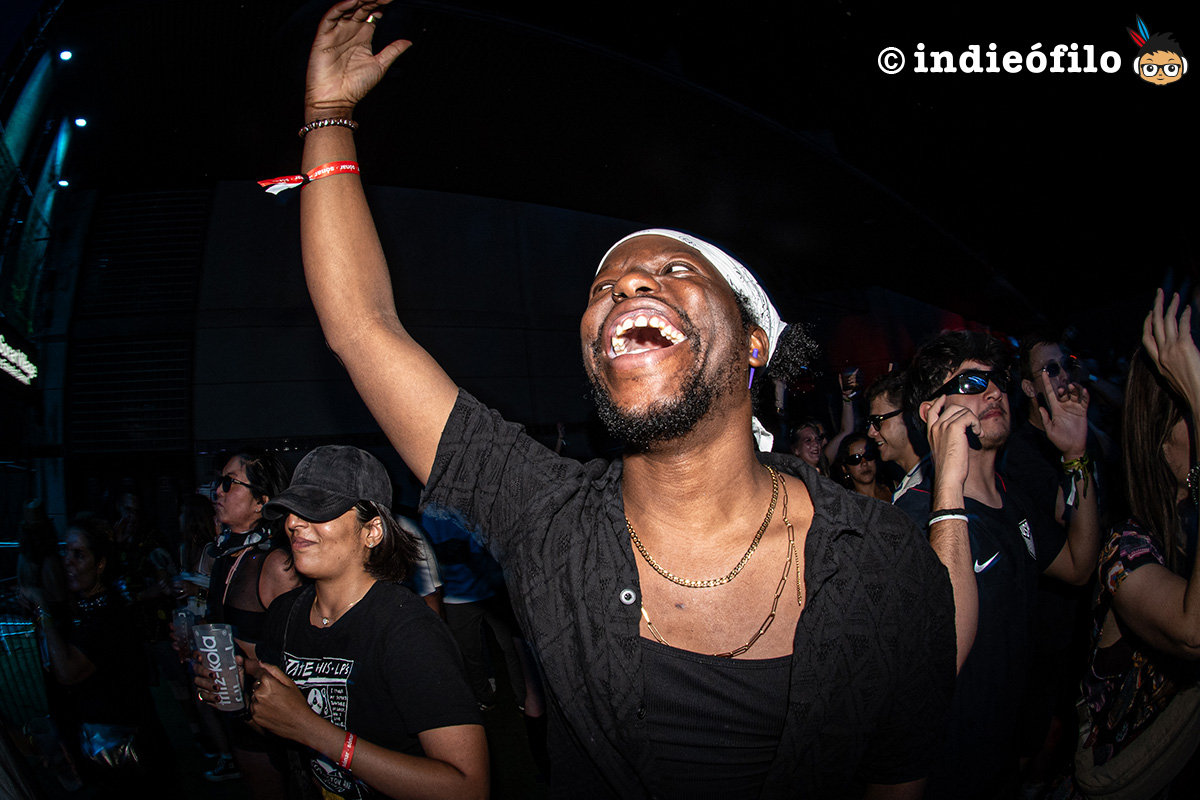
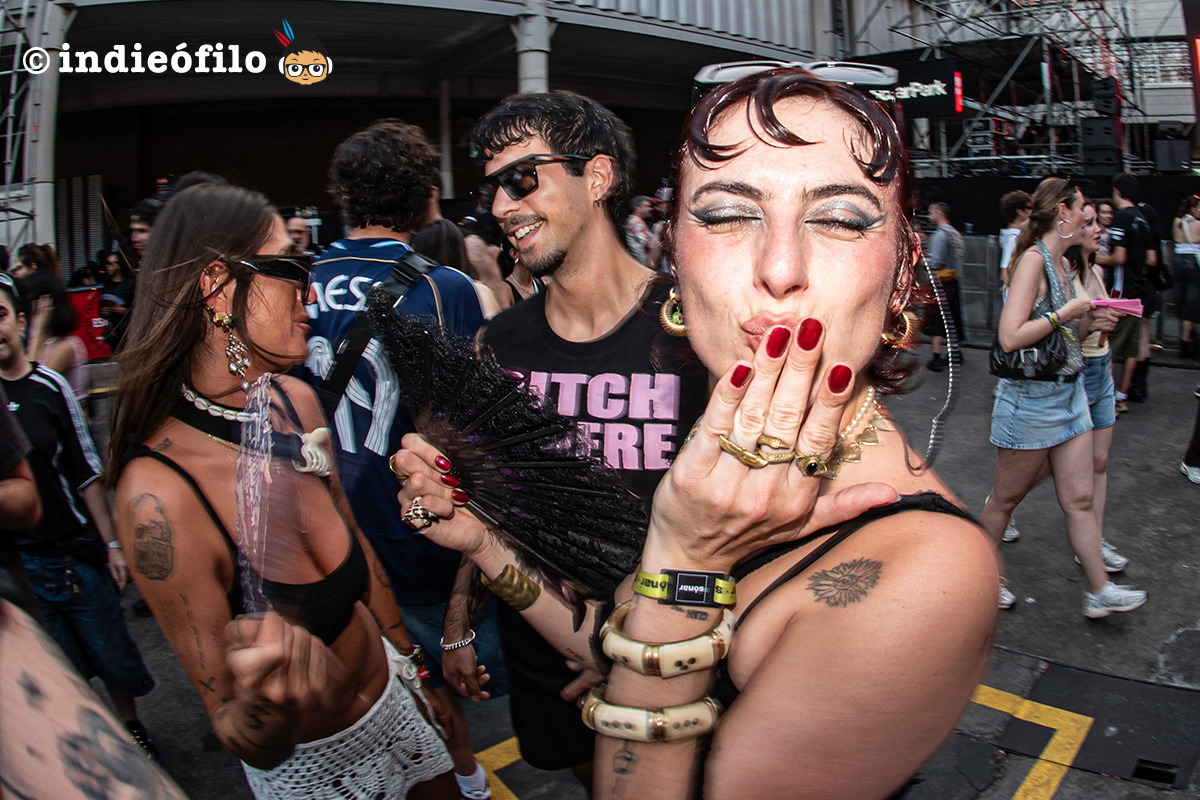
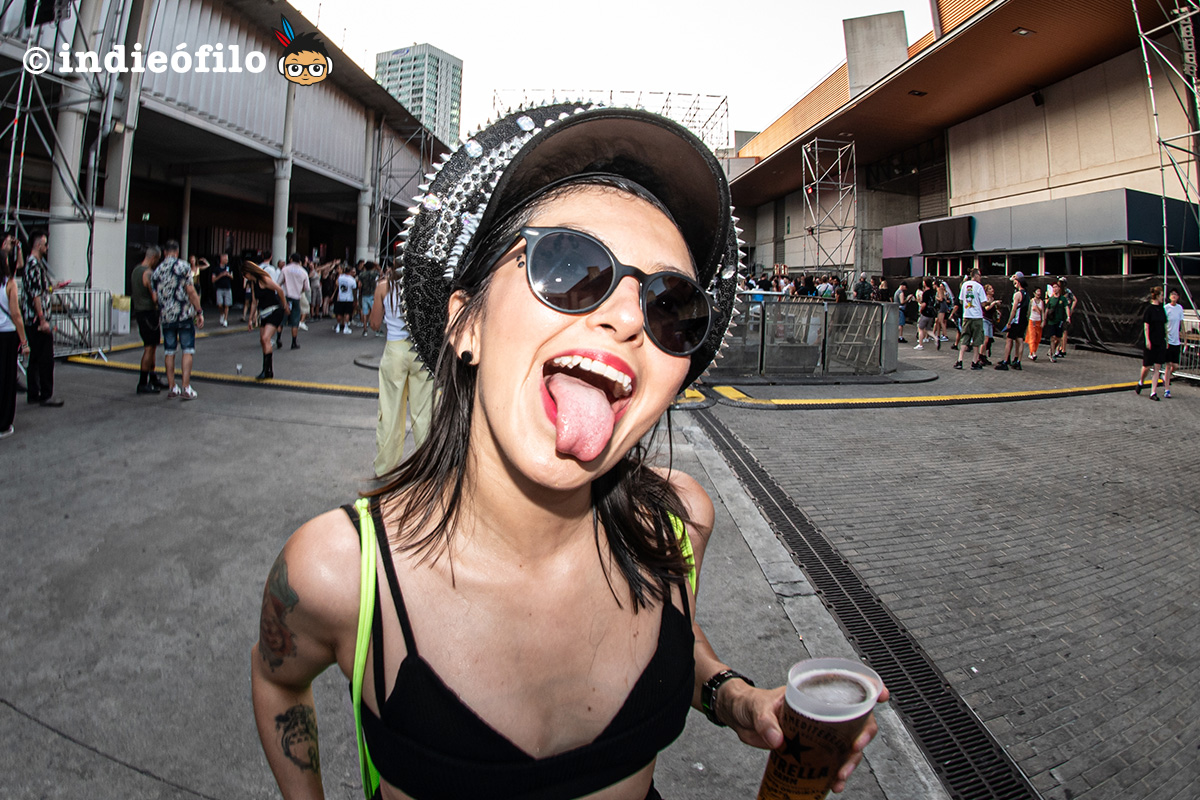
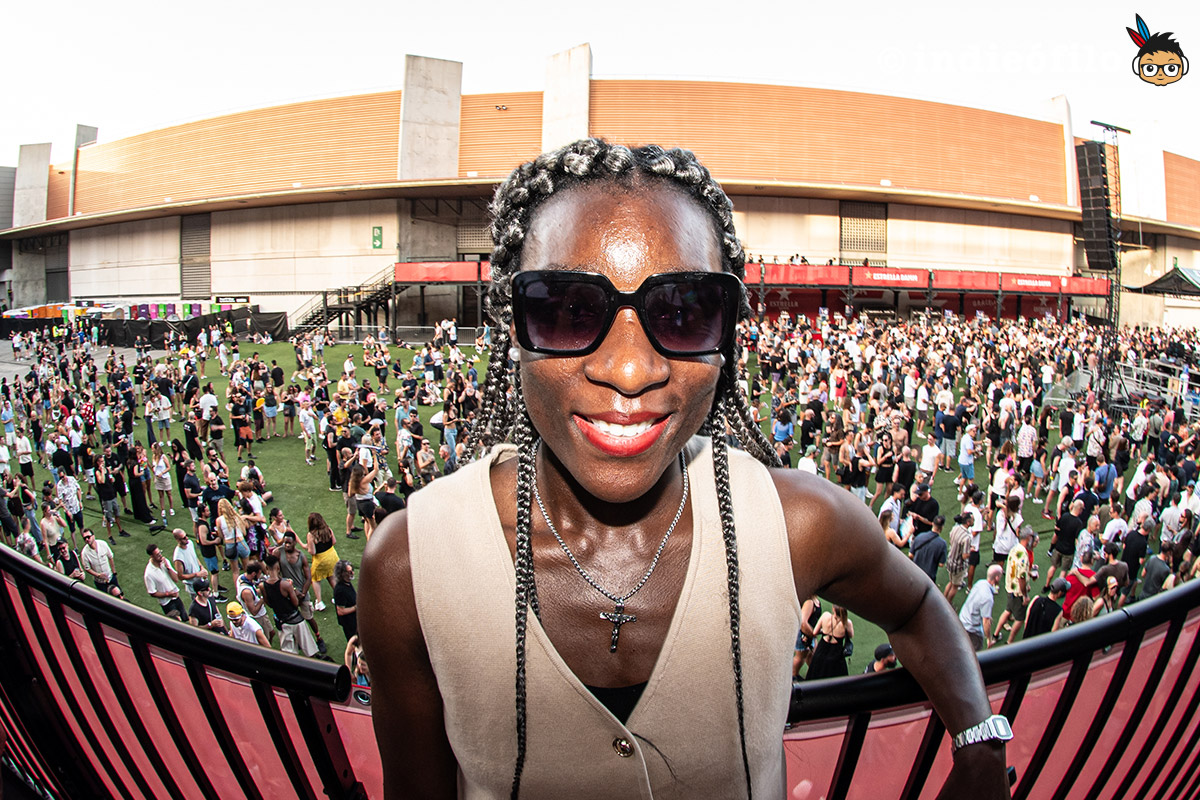
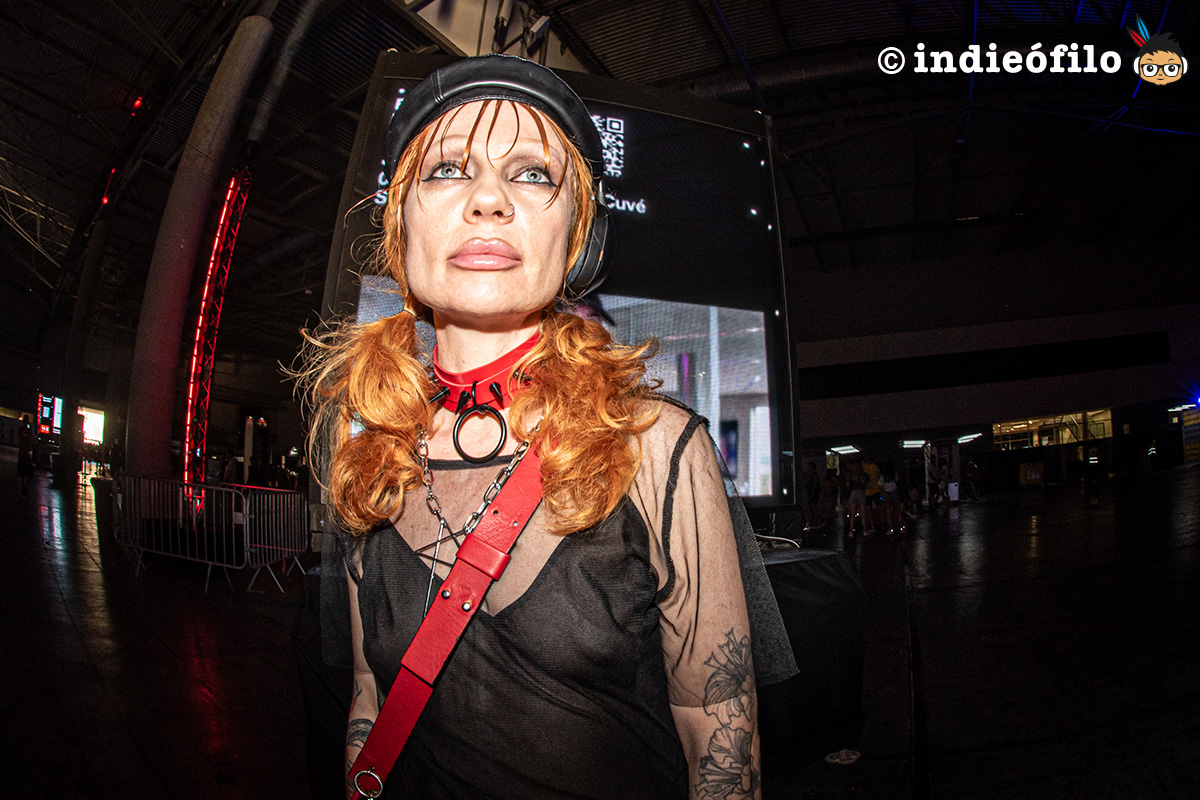
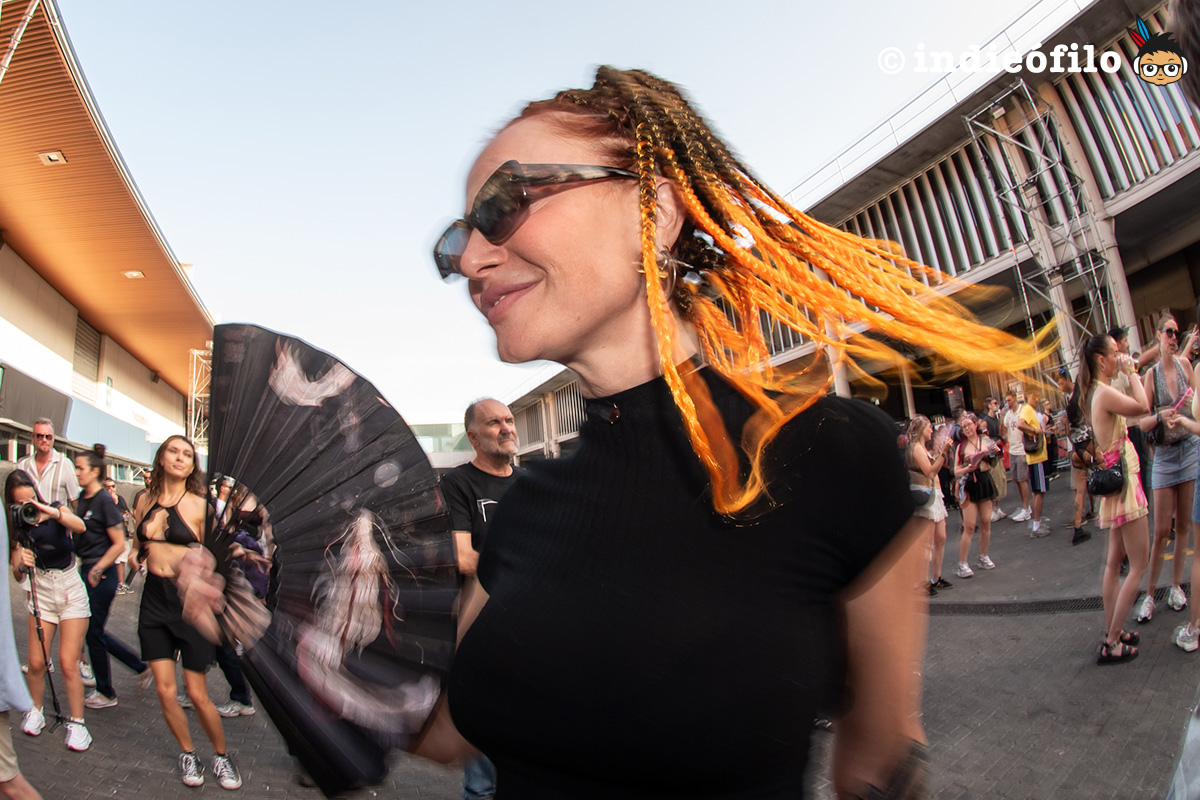
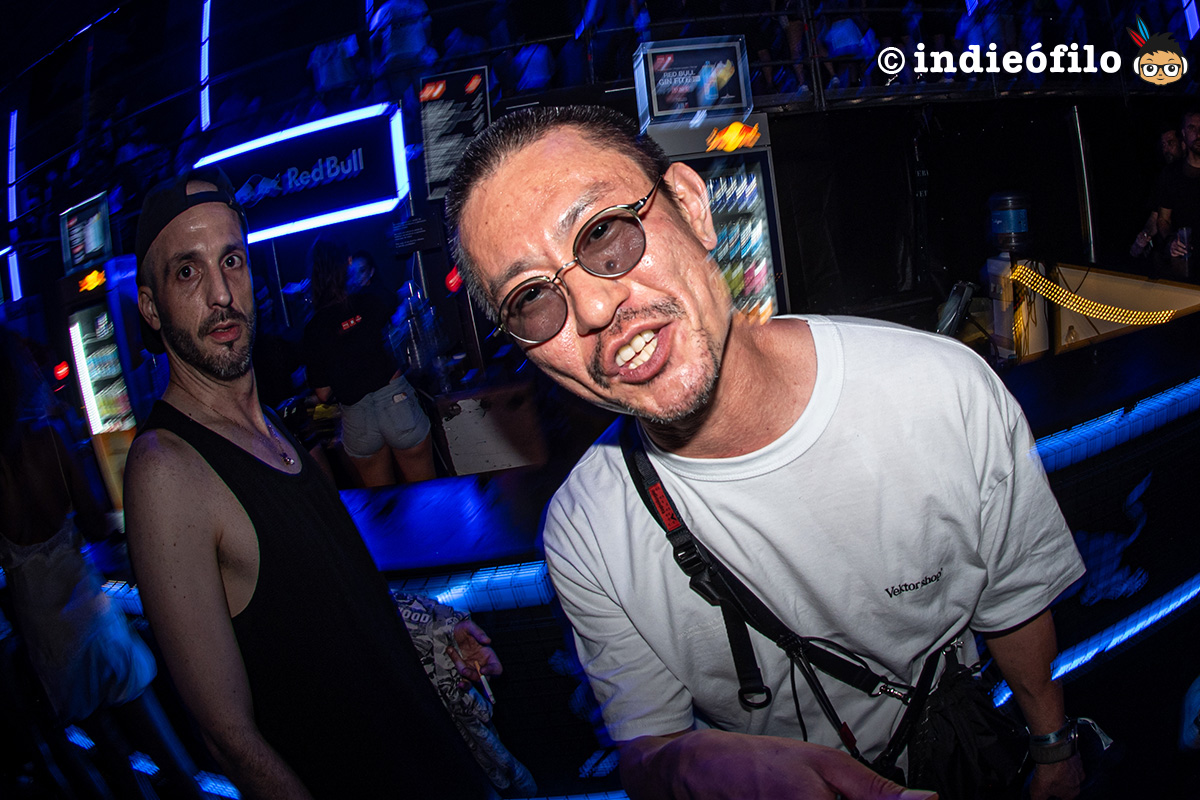
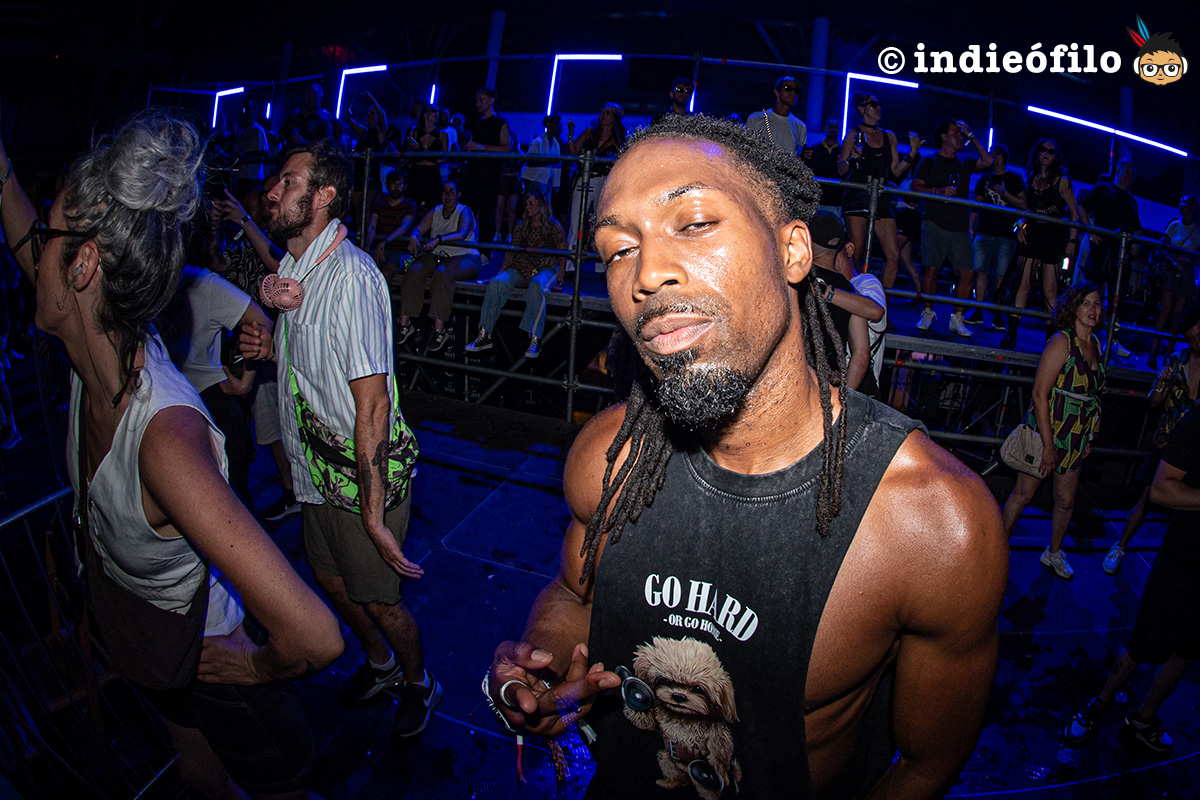
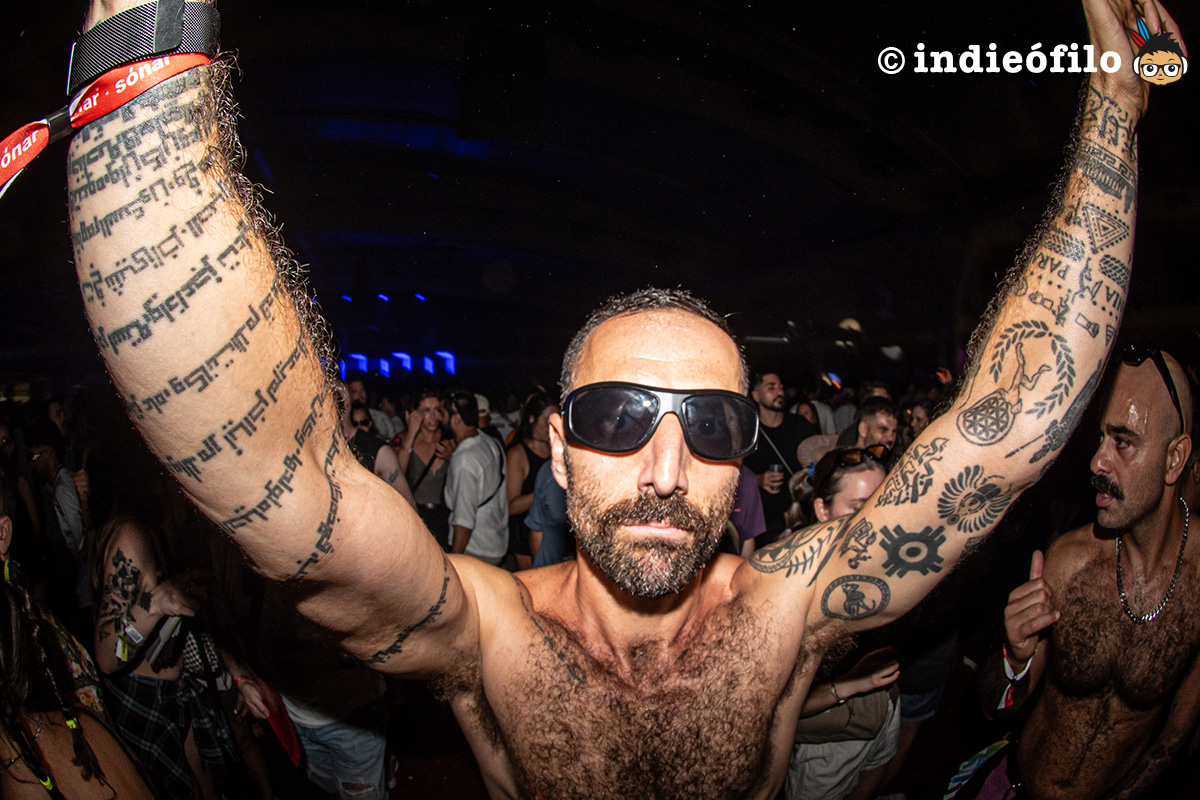
Here’s a short review to go with the exclusive daily photo gallery by Meritxell Rosell from Sónar 2026.
Thursday 18 June
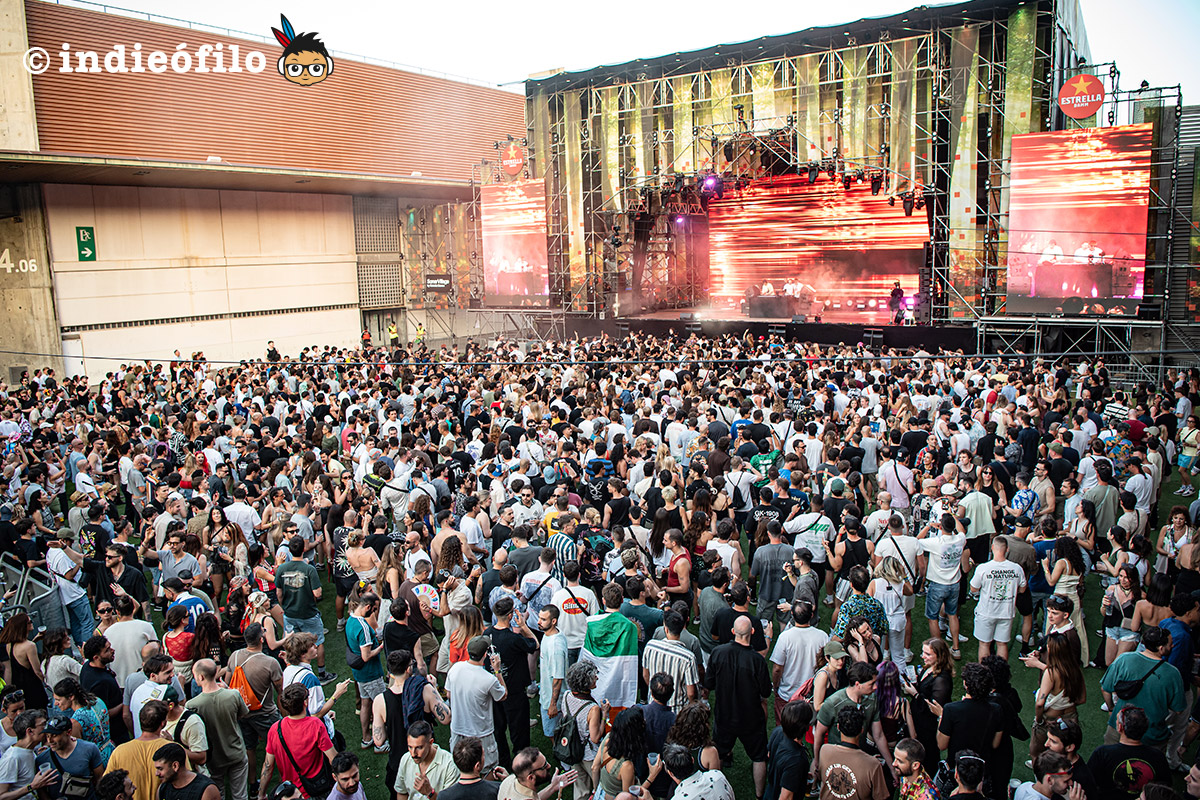
We won’t deny that walking into the Fira de L’H in the early afternoon came as something of a shock to the system at first, almost as much as having to erase that slight distinction between daytime and night-time Sónar from our minds — a distinction that no longer exists.
The day’s main attractions were the standout acts of Cabaret Voltaire, and we also enjoyed a packed STOOR Live set by Speedy J, the spectacular blend of funk and gospel from Arp Frique & The Perpetual Singers, the pleasant surprise of Scaler and his mix of styles, and the needless provocation of a misguided Metrika.
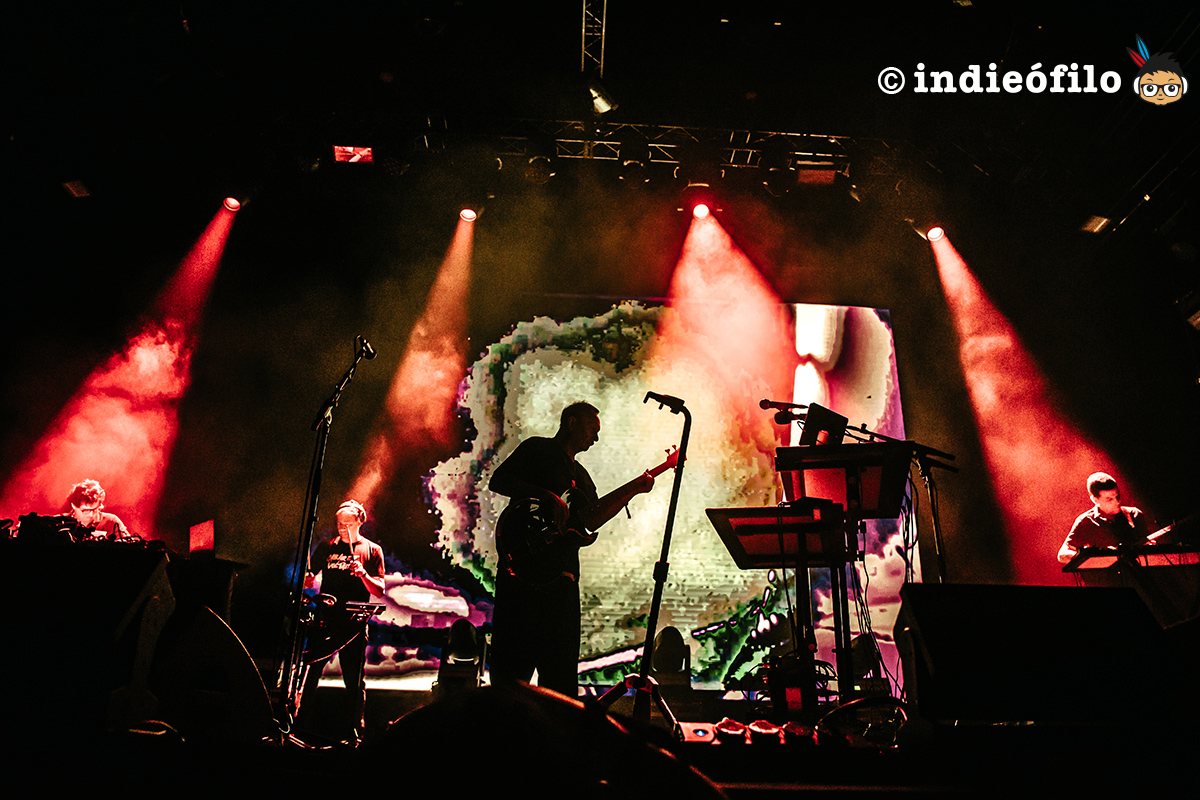
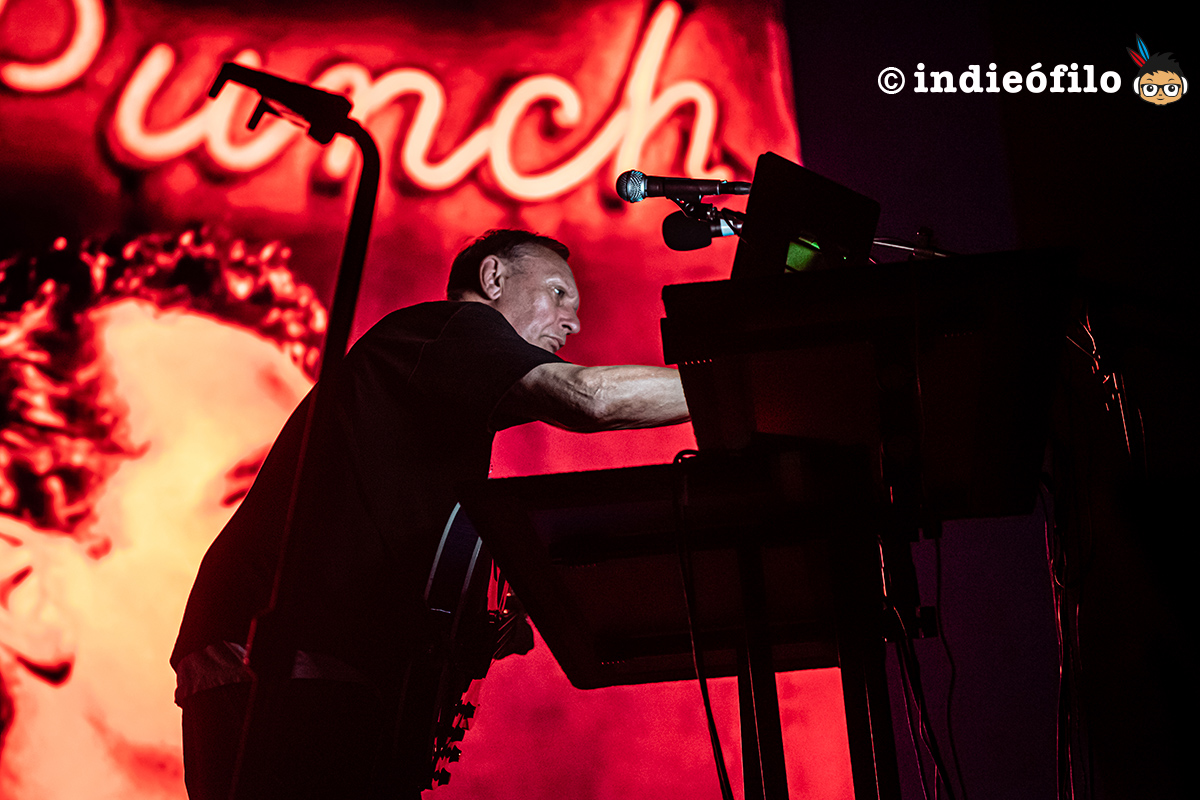
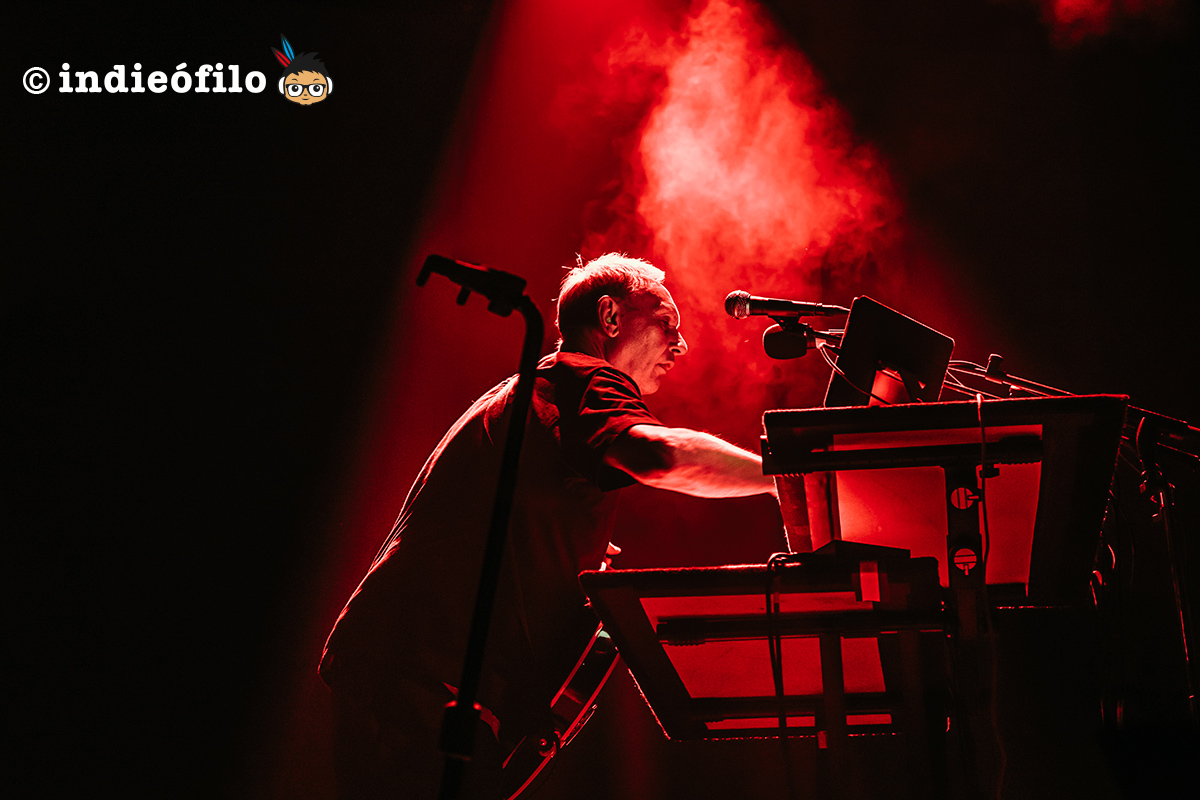
Following Chris Watson’s last-minute withdrawal, Cabaret Voltaire took to the stage, with Stephen Mallinder as the band’s sole remaining original member. Their blend of industrial dance music and distorted guitars shows no sign of going out of date, and they treated us to magical moments such as the dark ‘Nag Nag Nag‘, the suffocating pop vibes of ‘Sex, Money, Freaks‘, and the repetitive, funk-infused passages in ‘Spies in the Wires‘. The incredible projections that accompanied certain musical landscapes with tense and, at times, violent images must also be mentioned. These images stirred the consciences of more than one member of the audience…
The other big winners of the day were Scaler, a band from the south of England who set the festival alight with their instrumental set, fusing a variety of styles. Drawing from post-punk and more experimental electronic styles such as drill and drum ‘n’ bass, as well as rock, the debut performance of many tracks from their latest album, Endlessly (2025), was a resounding success.
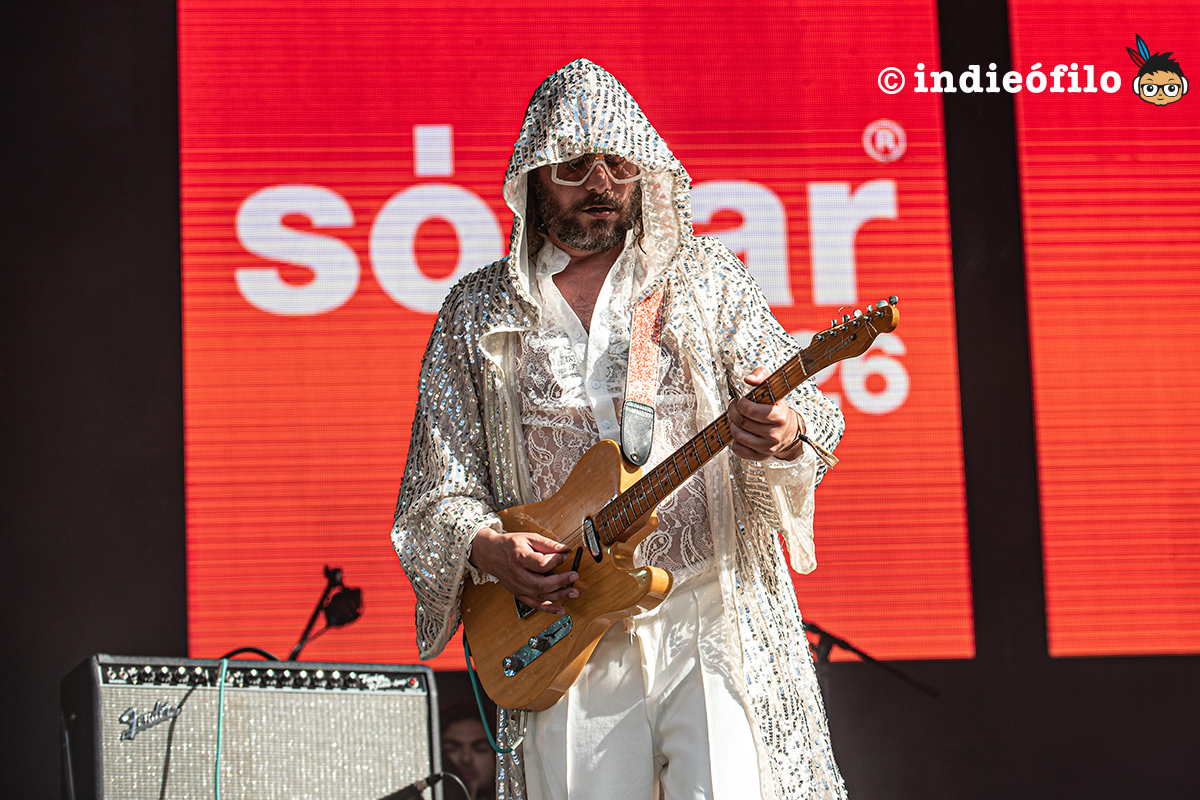
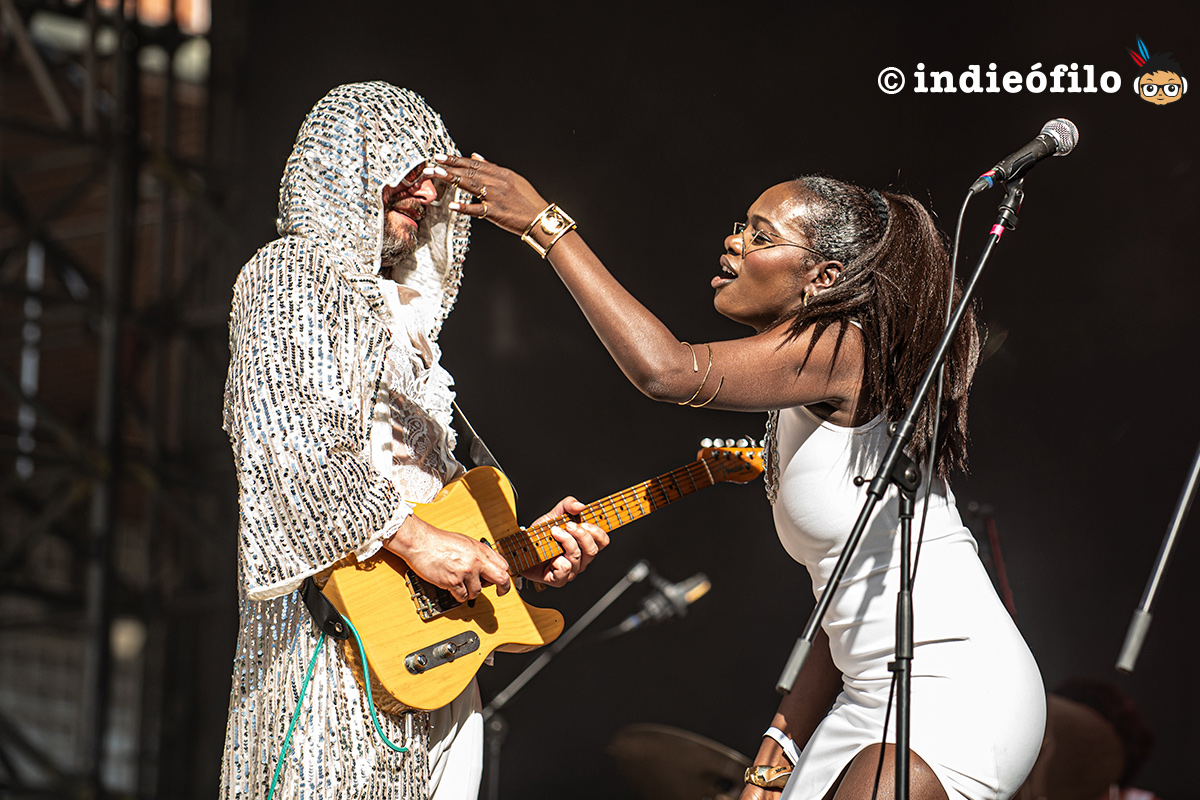
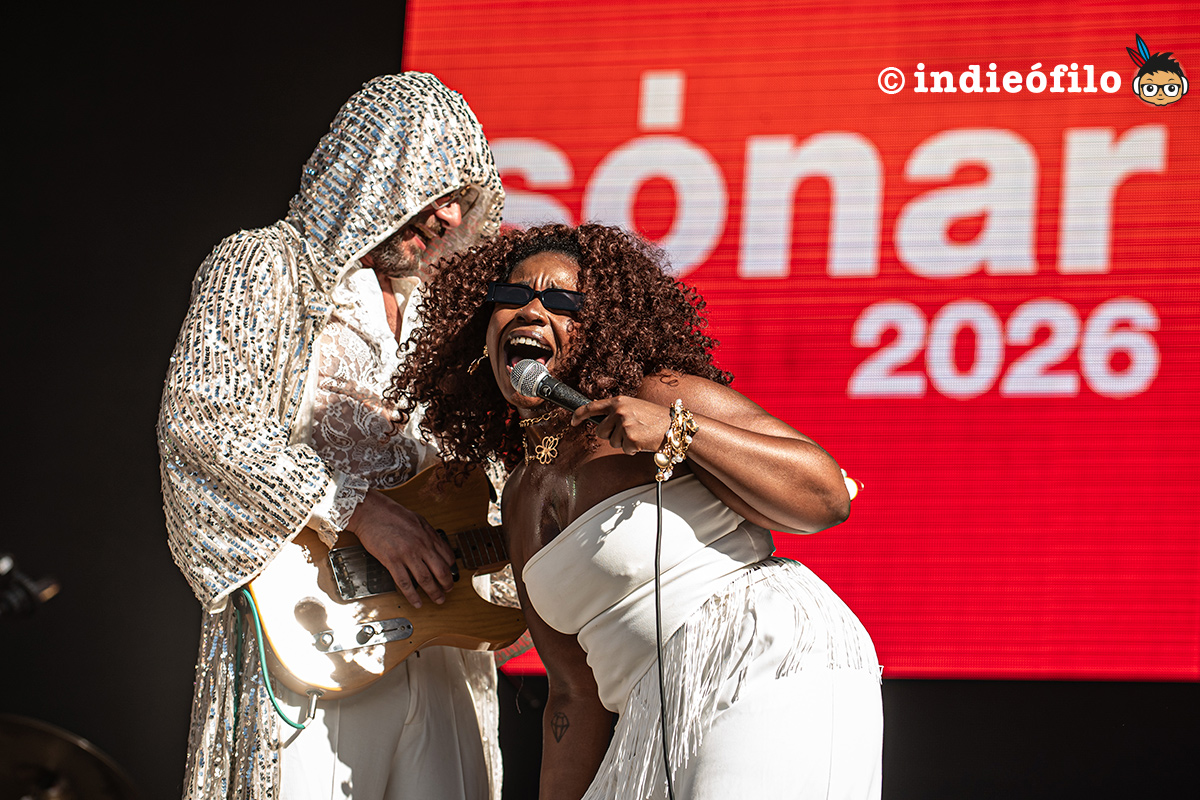
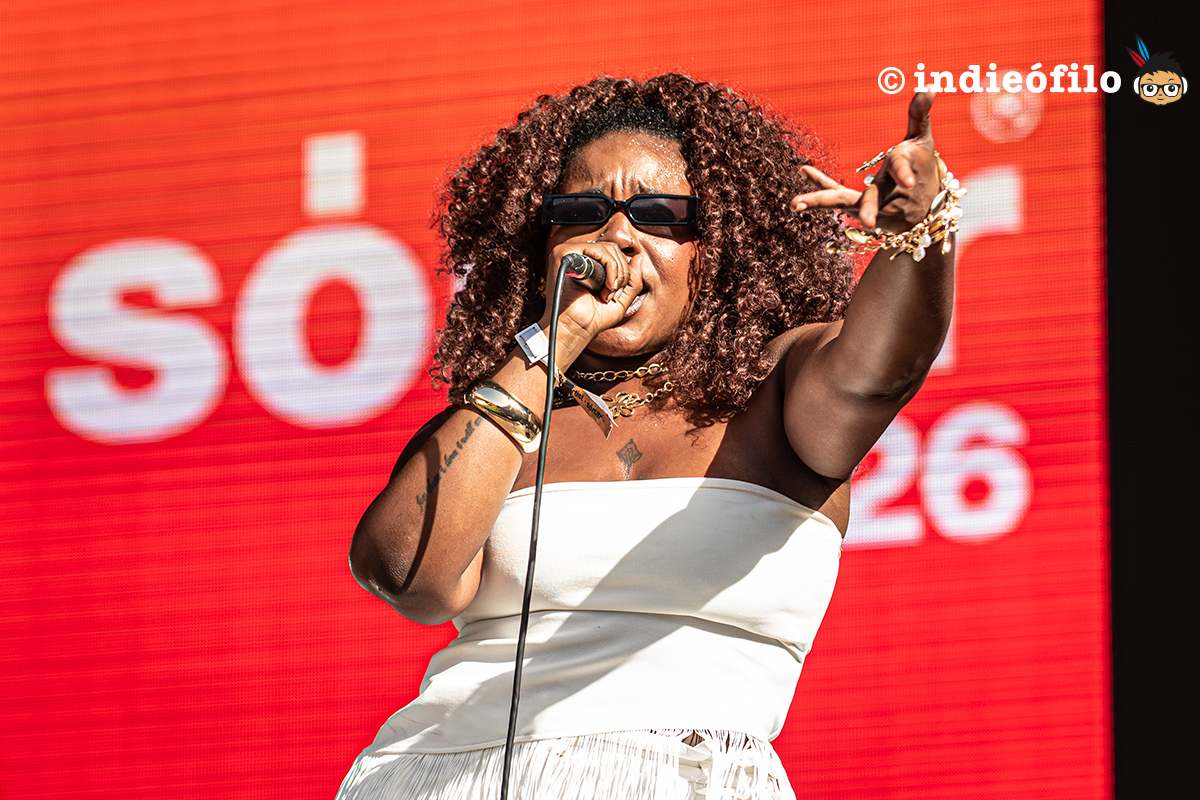
The early afternoon choral performance by Arp Frique & The Perpetual Singers was also very rewarding. The Dutchman who lends his name to the group acted as a multi-instrumentalist, providing the perfect backing for up to seven vocalists. Despite the intense heat, their performance felt like a pagan ritual that delighted the few of us who were there, while the majority of the audience were at SonarPark trying to get into the groove with Métrika. At times, the Castellón-born artist’s show was cringe-worthy, featuring rhymes more suited to Year 1 pupils and an excessive use of Auto-Tune. The only redeeming feature of an otherwise forgettable concert was the presence of some incredibly dedicated dancers.
Friday, 19 June
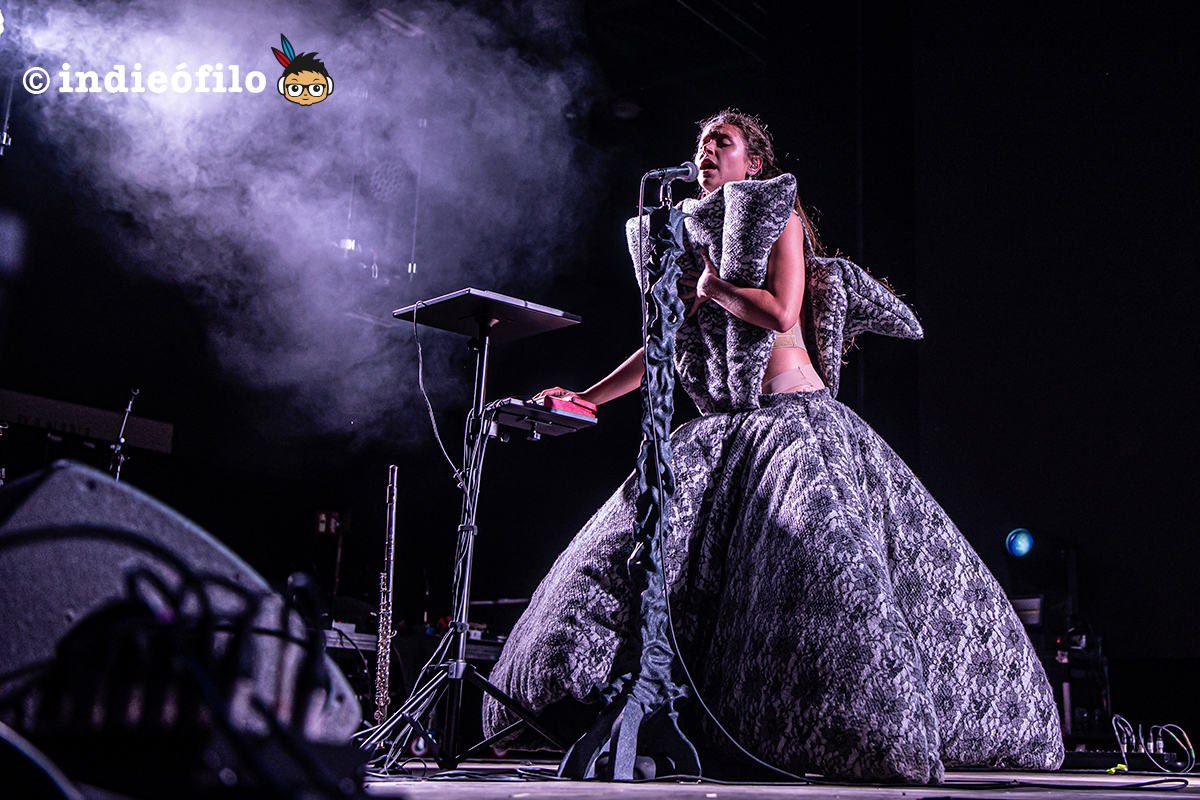
In our opinion, Friday’s lineup was undoubtedly the most impressive of the year, and it kicked off with the premiere of the new show Intel·ligència Romàntica by the Girona-based duo Ani in the Hall. Accompanied by a choir of up to five voices, the duo — comprising Aina Serena and Jan Cabarrocas — used subtlety to stir the audience’s conscience.
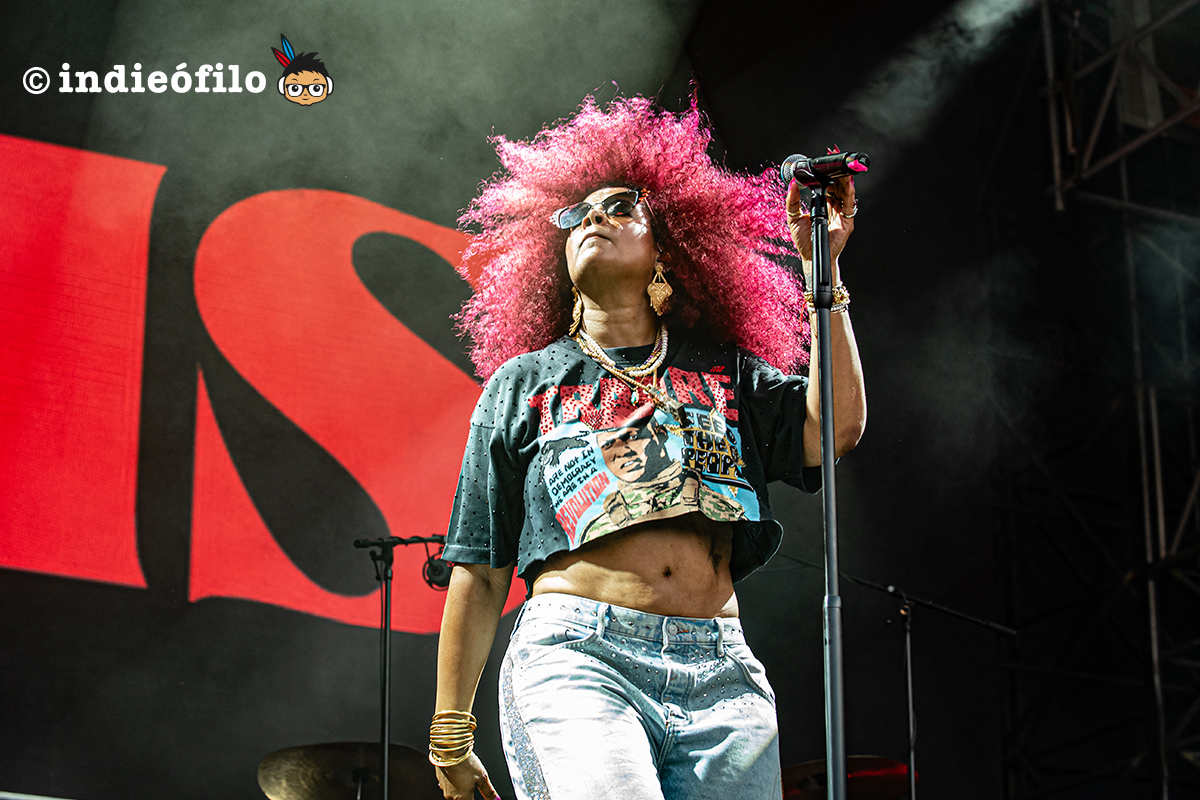
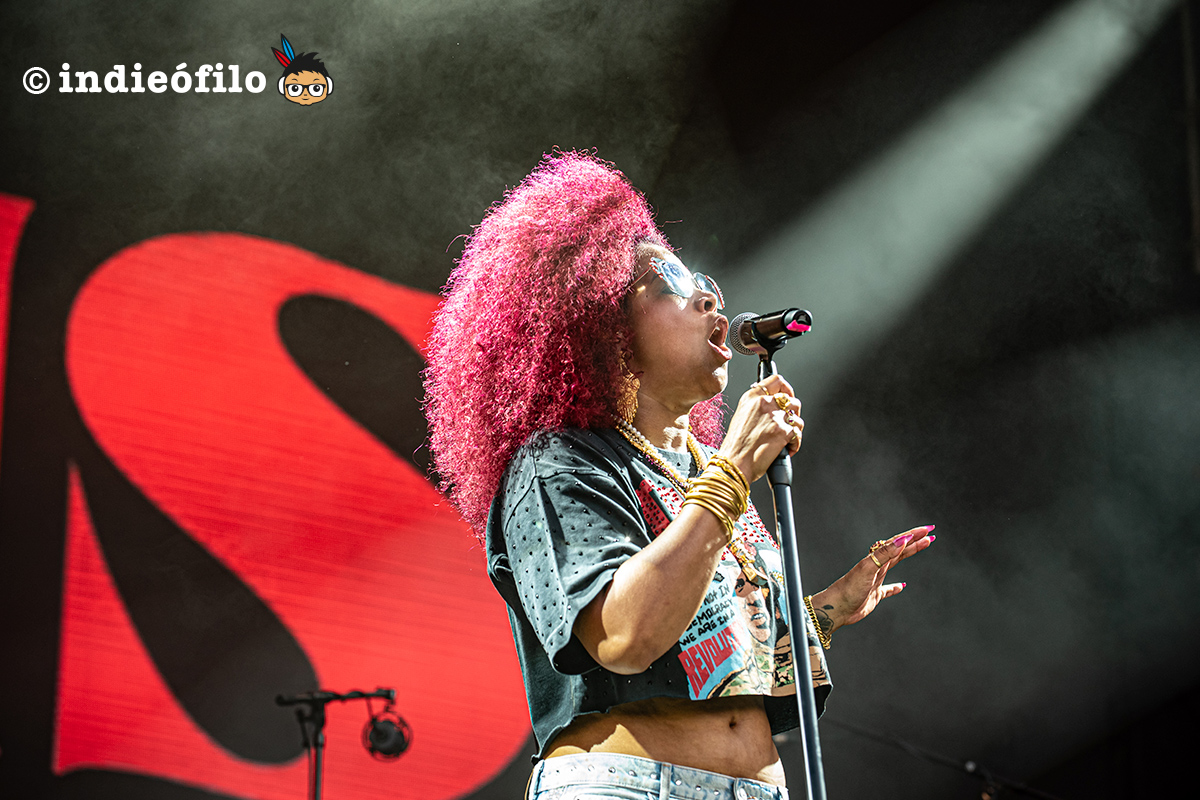
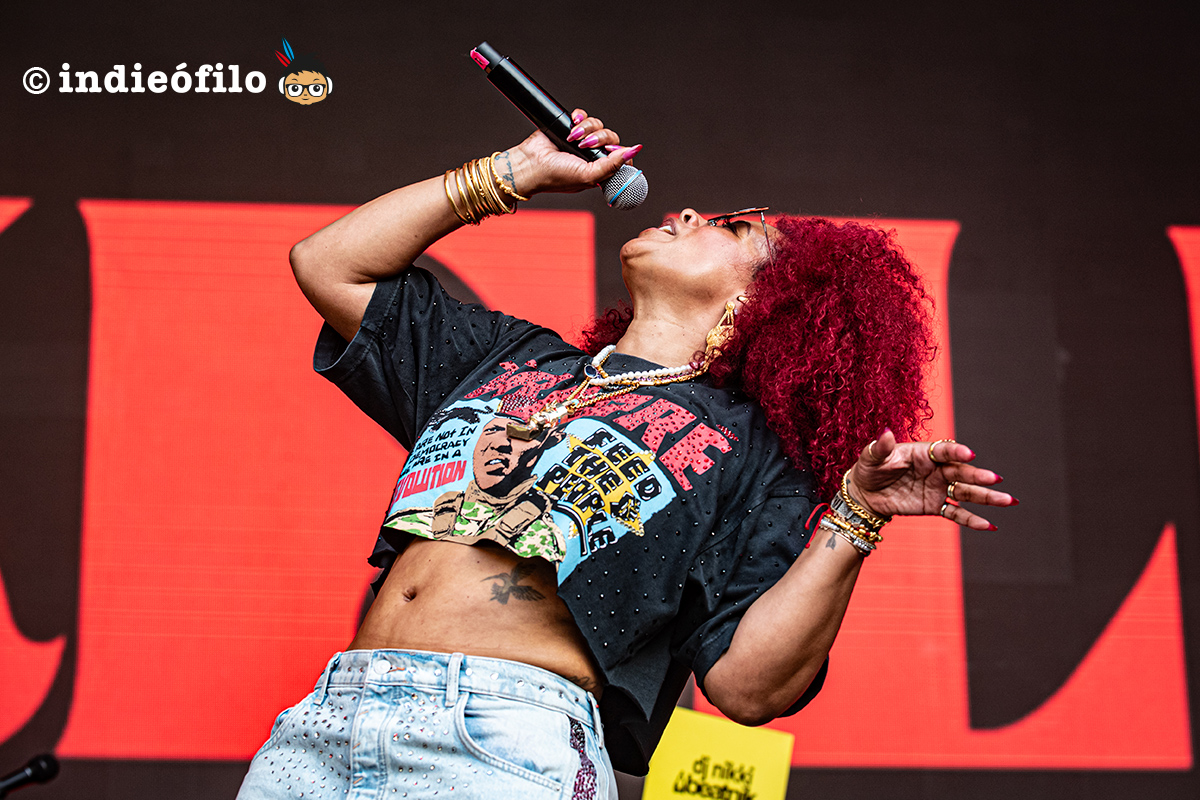
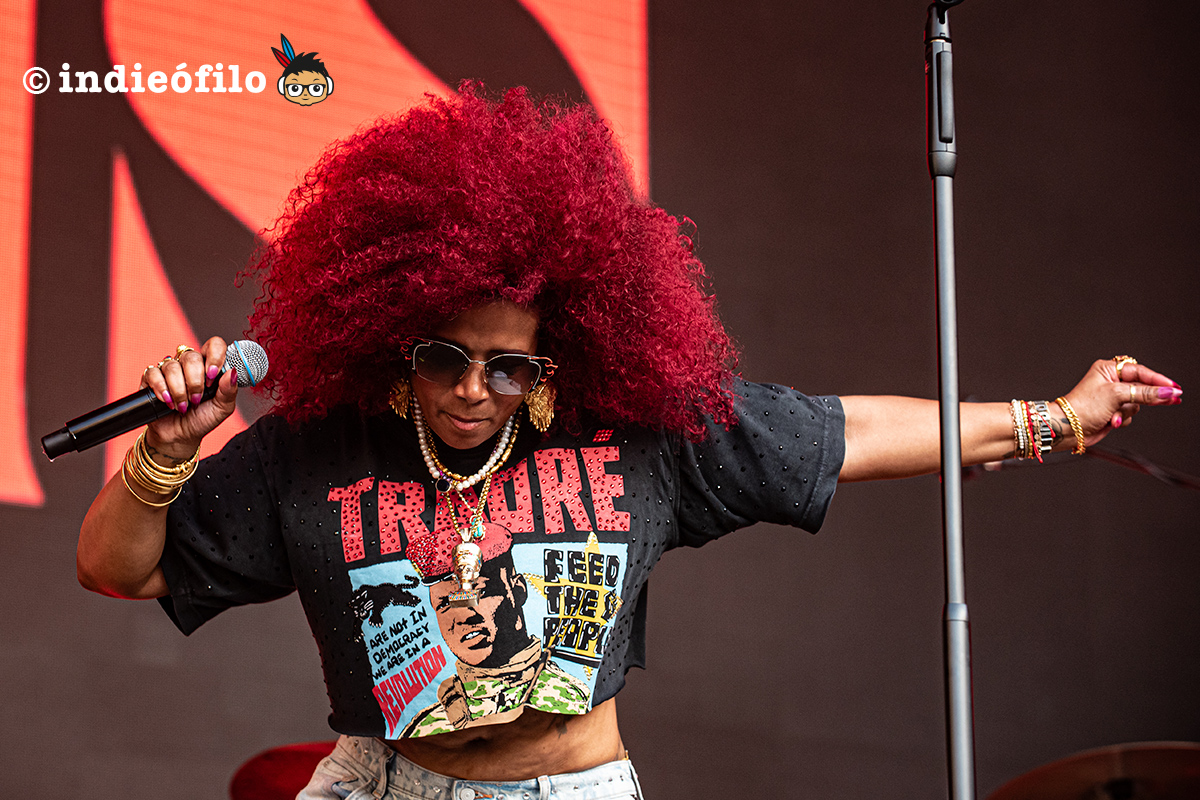
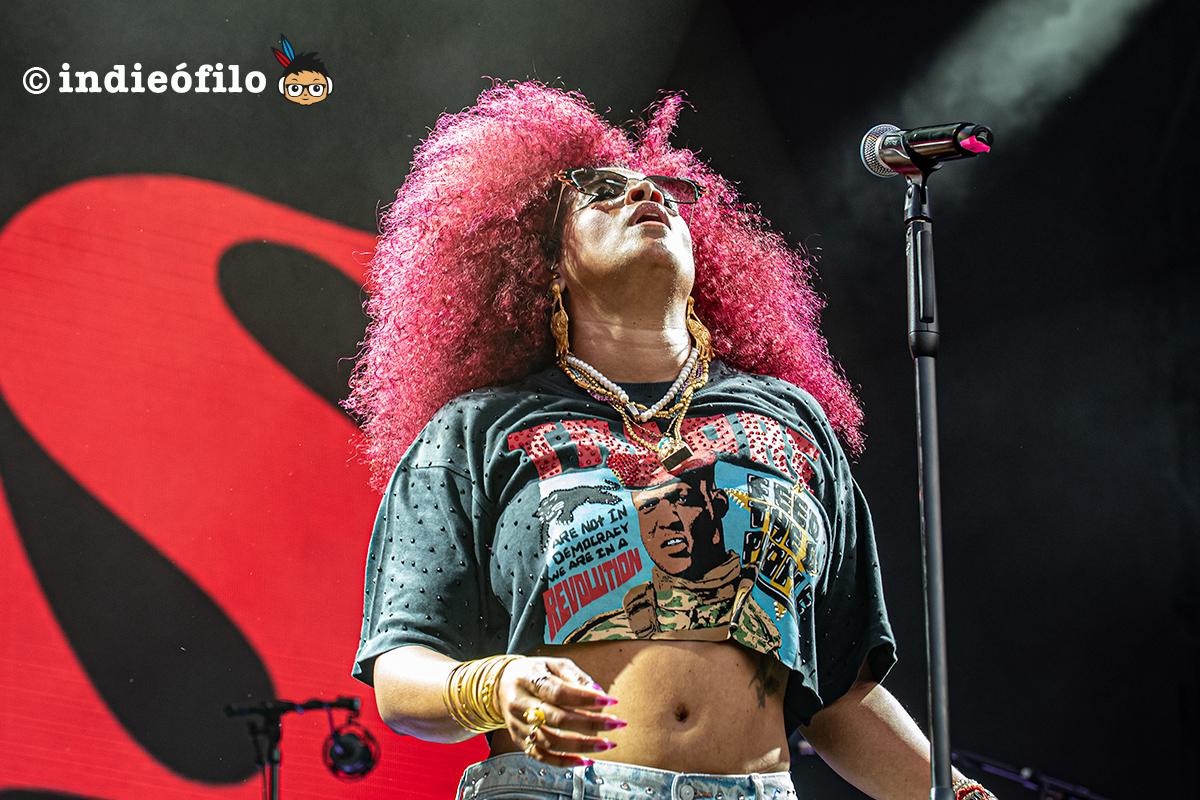
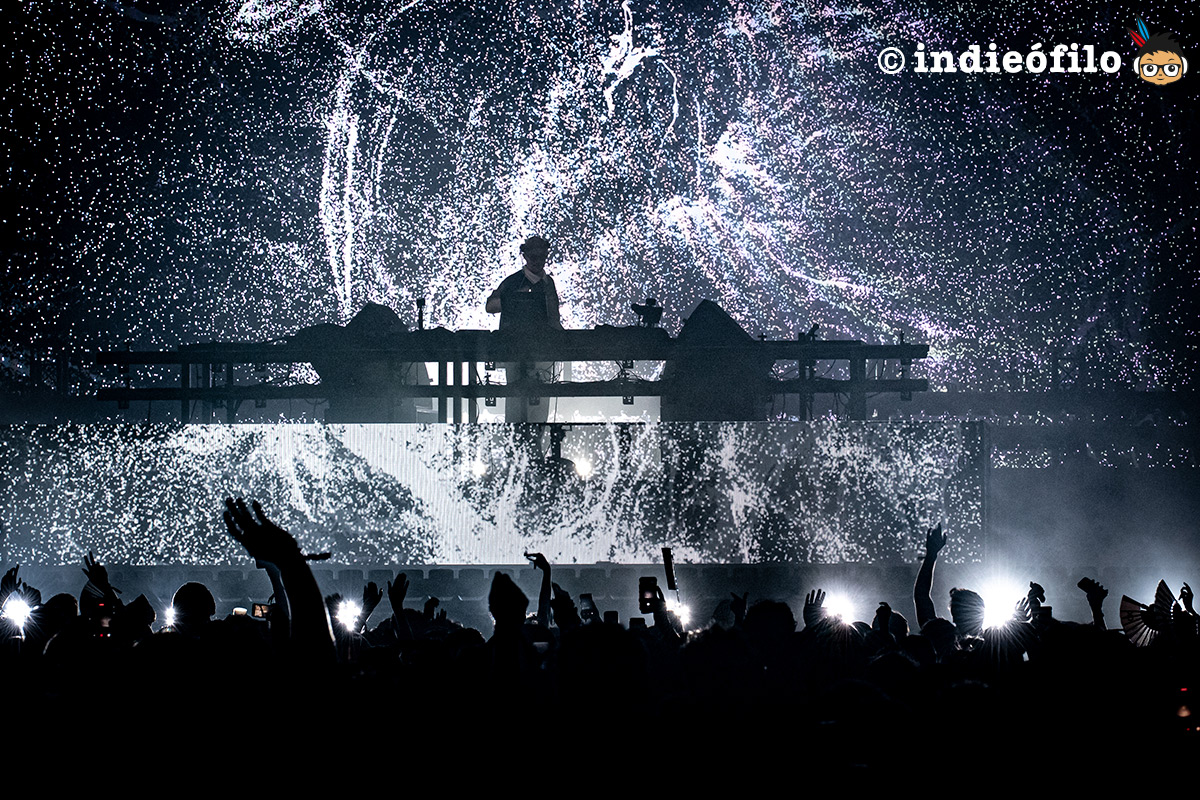
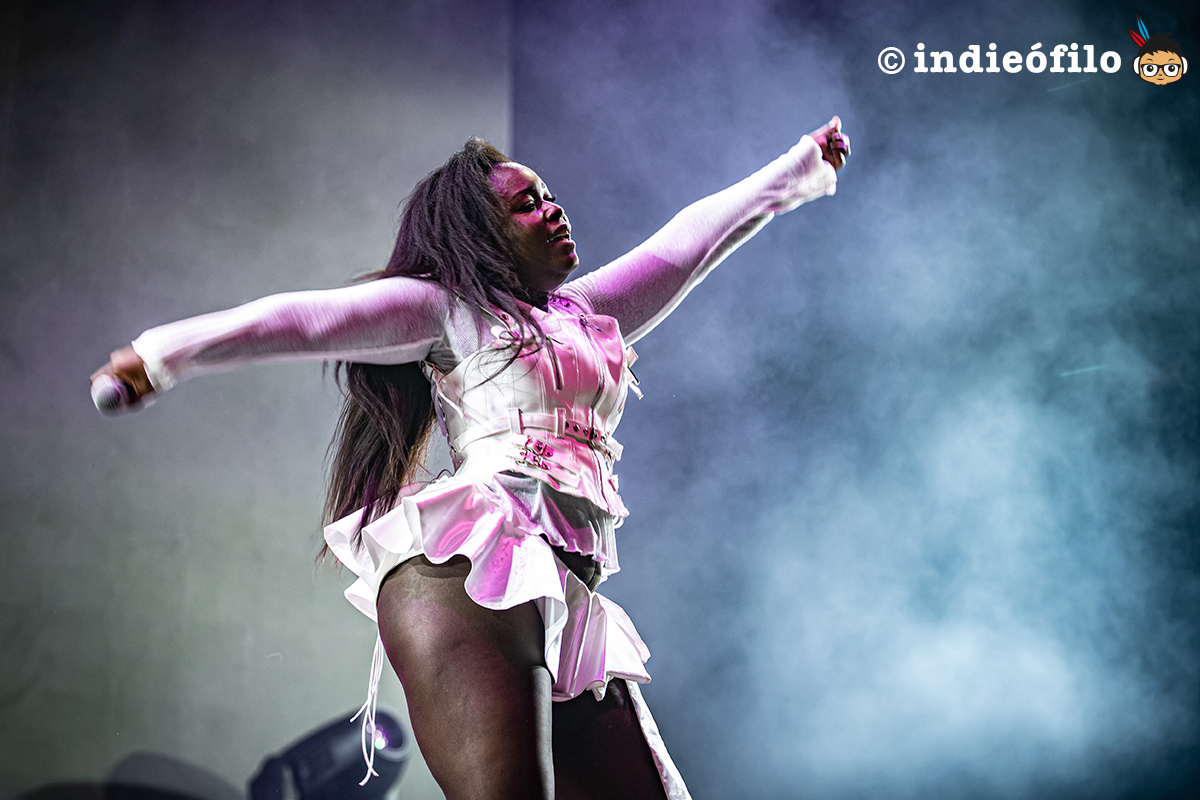
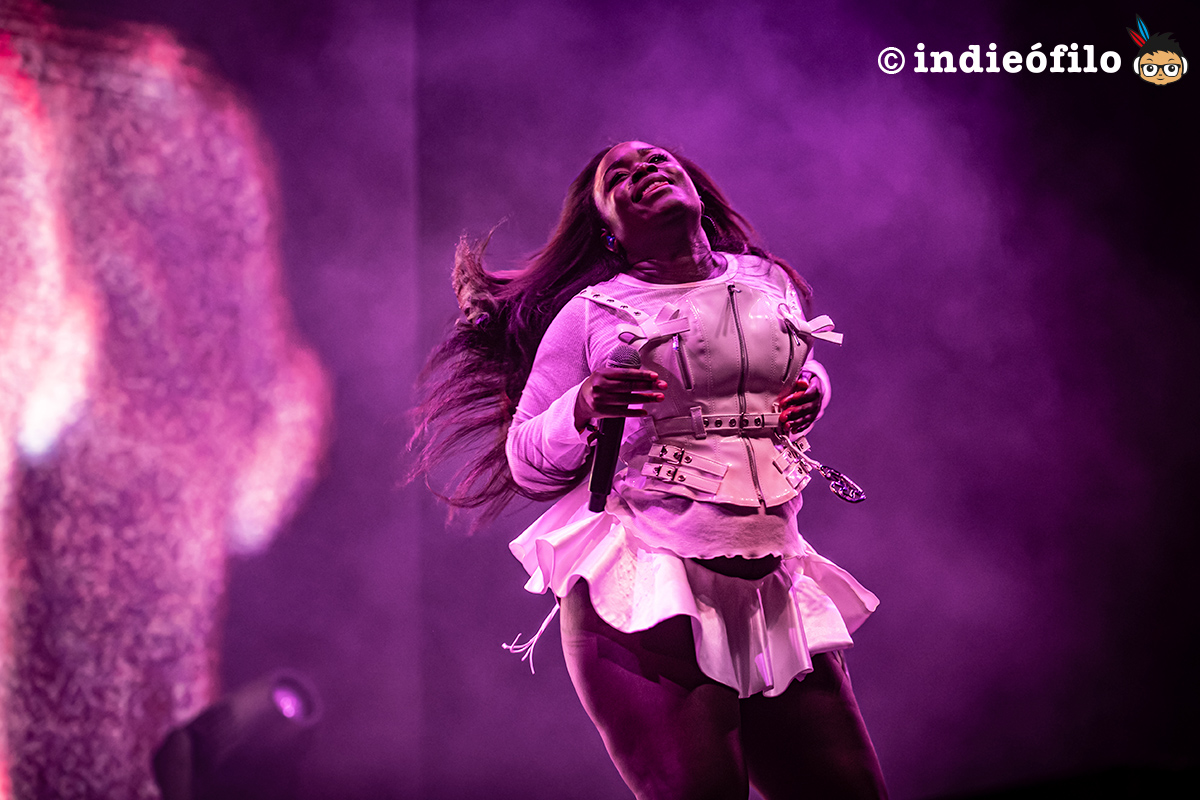
The coincidence of Daito Manabe and his incredible audiovisual show, together with Google DeepMind and Kelis – who chose to give her songs a more percussive feel, with the groove taking centre stage – meant we stayed on for Kelis’s set. The Harlem-born artist began with the tender R&B number “i hate you”, and from “Get Along with You”, “Trilogy” and “Midnight Snacks” onwards, the concert grew in intensity, oscillating between sensuality and tension. ‘Milkshake‘ marked a change of pace as the finale approached, featuring her collaborations on well-known tracks such as ‘Bounce‘ and ‘Gypsy Woman‘, which showcased her characteristic raspy voice, bringing the simple yet effective show to a close.
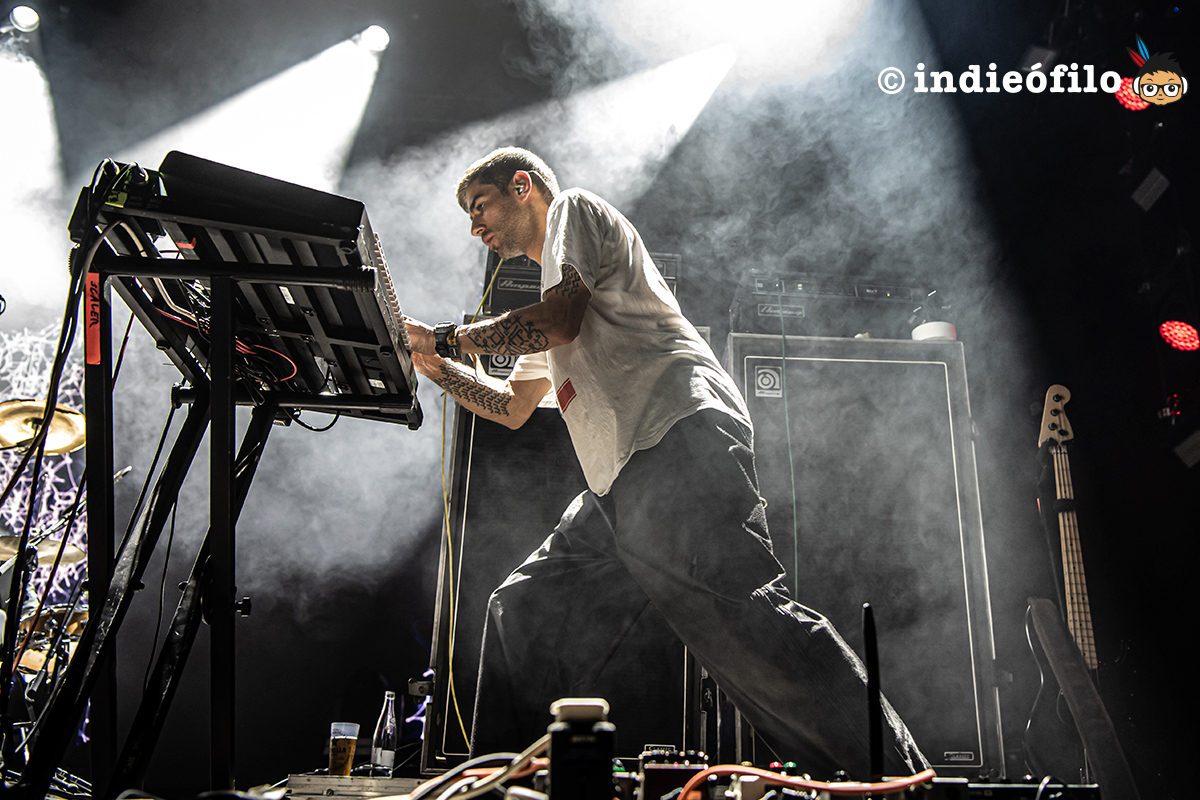
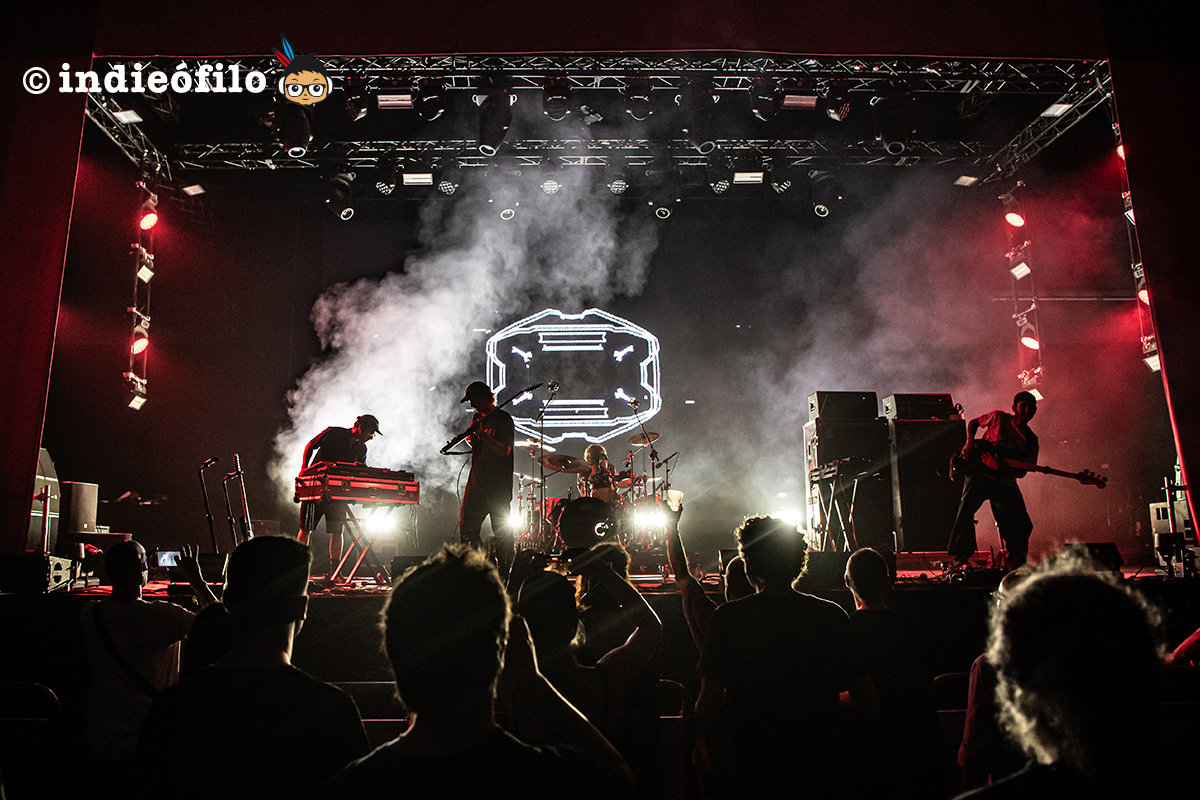
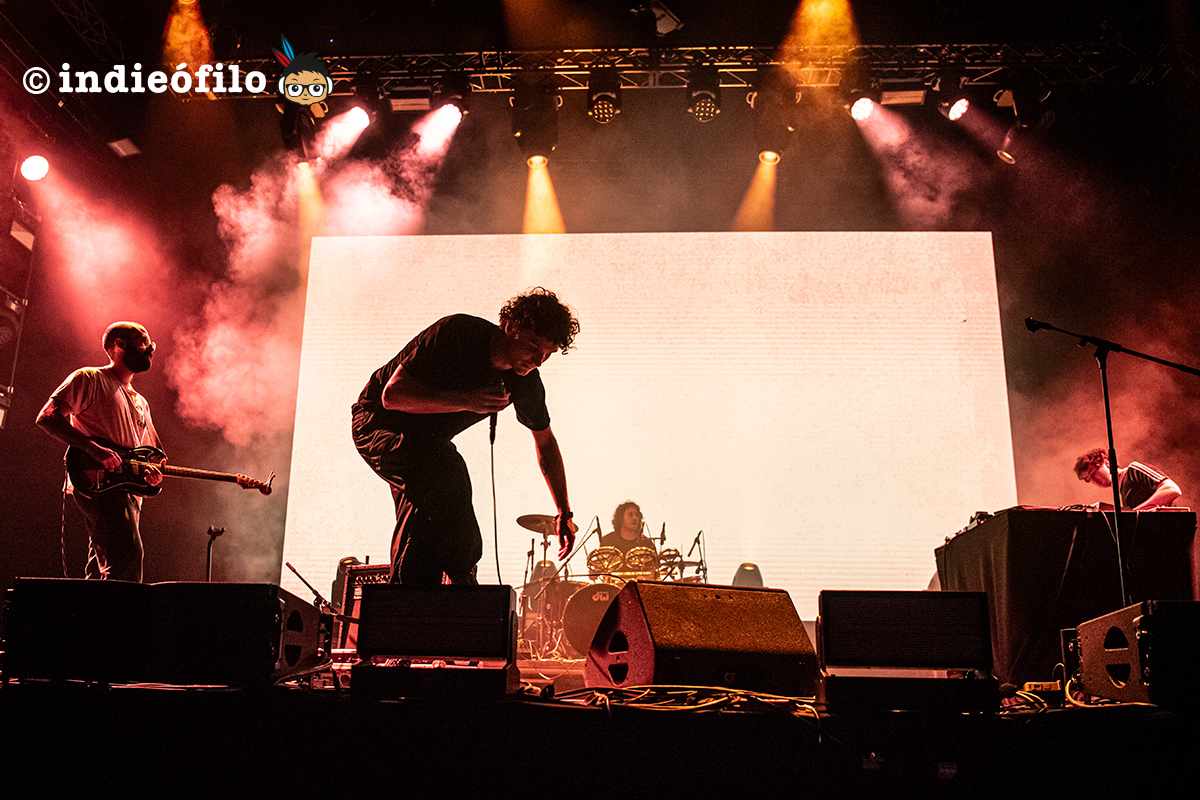
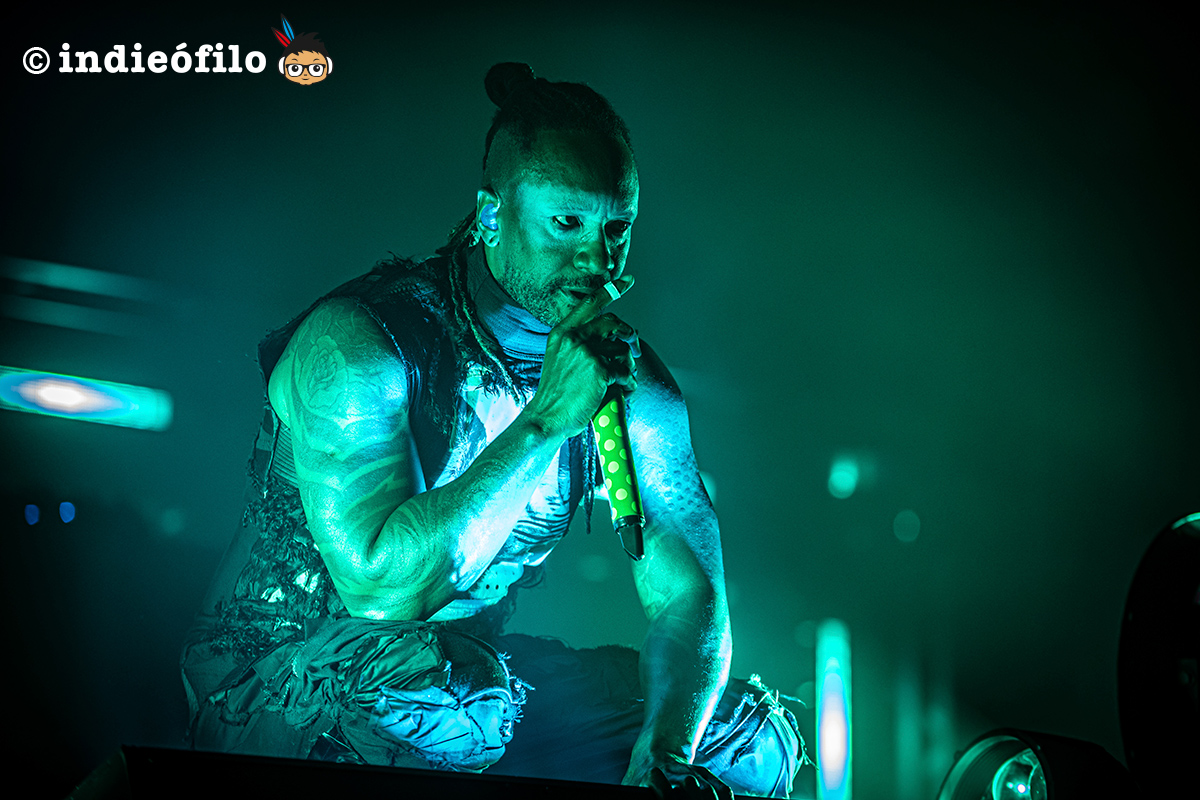
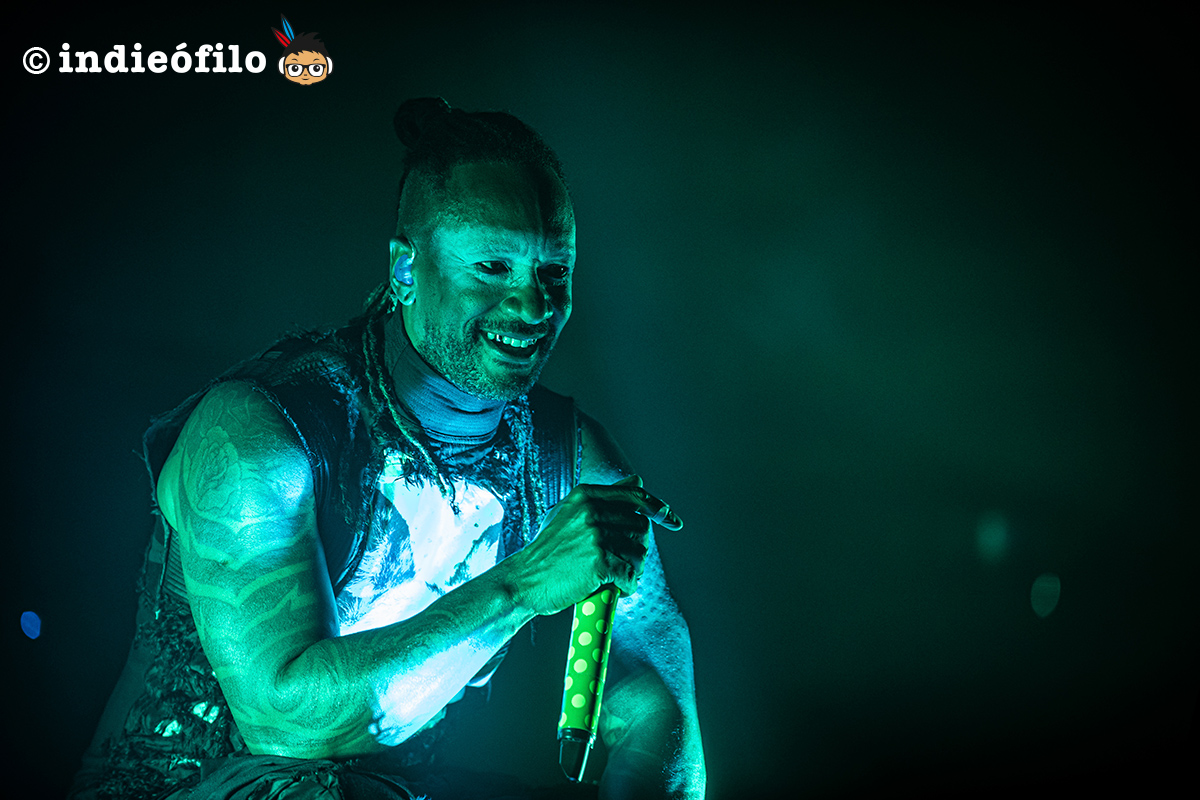
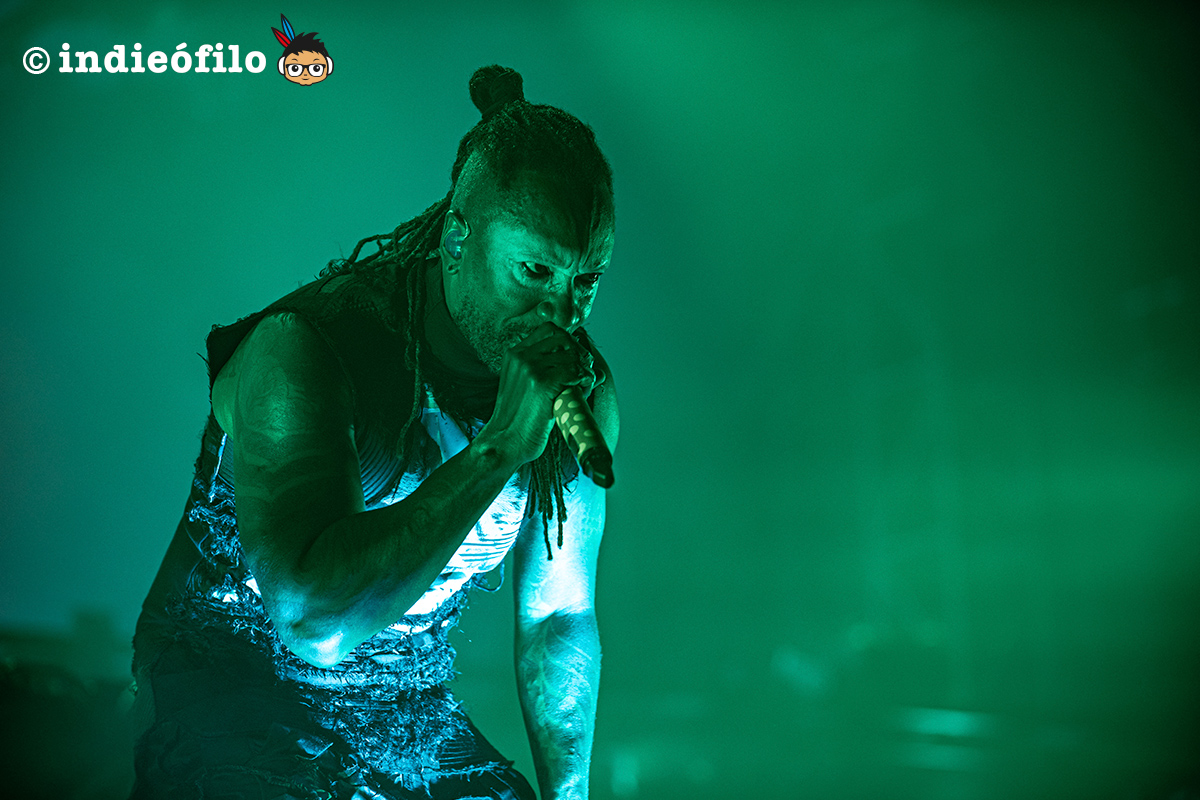
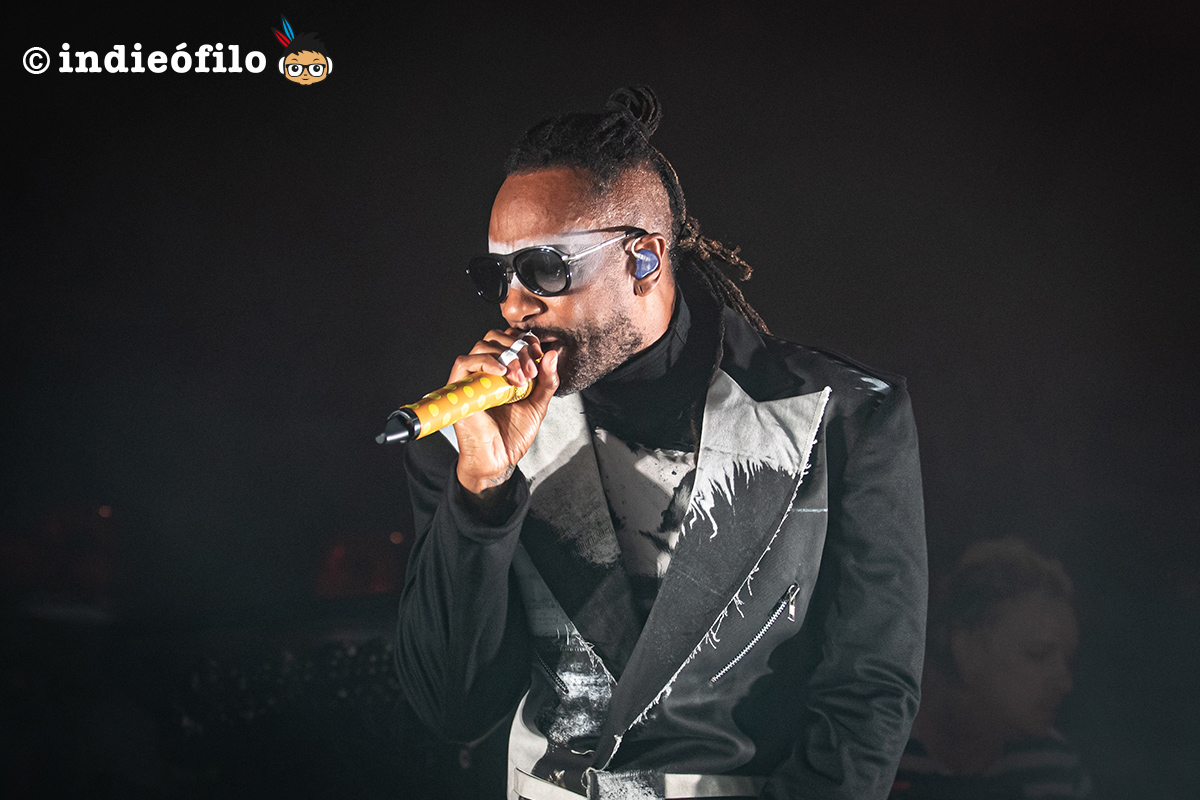
While the crowd was queuing up at the main stage for Skepta — often referred to as the father of UK grime — we headed over to the Sonar Hall to enjoy one of the best shows of the whole festival. This was put on by the American band YHWH Nailgun. Their post-punk sound, steeped in industrial music and reminiscent of IDLES and Nine Inch Nails, was underpinned by some excellent tracks during the incredible first half of the concert. This featured ‘Magazine‘, ‘Ghost of Love‘ and ‘Sewer Tree‘, leaving a lingering sense of noise and unease thanks to the band’s boundless energy.
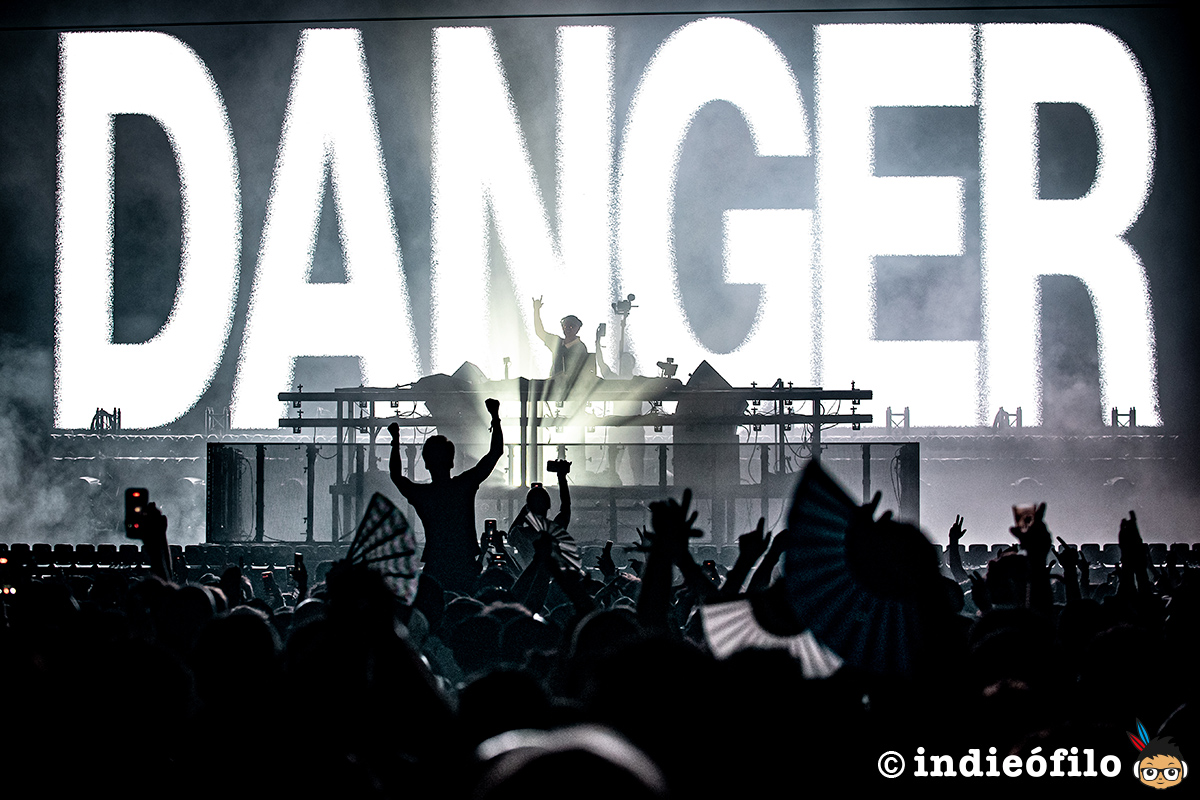
Unfortunately, the next batch of artists we were due to see meant that SBTRKT and Nia Archives were on at the same time, so we opted for the latter’s show. With the organisers announcing in recent days that this was a new show from the Bradford-born artist, there was time to hear some new tracks, which proved that she remains the British queen of the jungle. ‘Danger’ and ‘Crowded Roomz’ showcased the soulful layers that have propelled the young English singer to stardom. However, she also surprised audiences with a subtle nod to pop, revealing another dimension to this multifaceted artist. The breakbeats were blisteringly fast, making this another great concert in Barcelona that night.
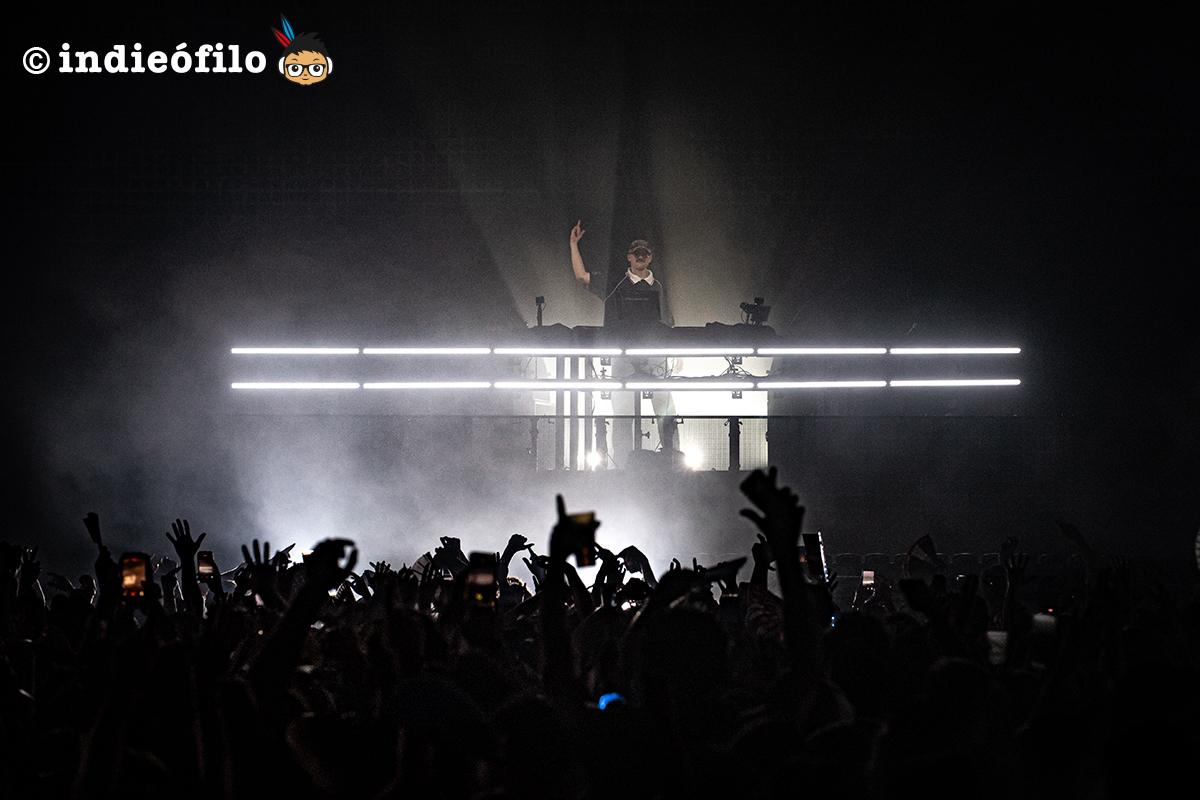
Meanwhile, Charlotte de Witte delivered a slightly longer set than usual to present her new show, The Resistance, the successor to the now legendary Overdrive. Amidst hard, dark techno characterised by a relentless kick drum and dense basslines that ramped up the pressure with every passing second, yet almost magically failed to break the continuity that is the Belgian artist’s trademark, we were already heading for the exit so we could enjoy the final day as it deserved.
Saturday 20 June
Following Friday’s successful day, which featured fantastic concerts by YHWH Nailgun, Kelis and Nia Archives, Saturday’s main attractions were the British band The Prodigy and the debut of AURA, Amelie Lens’s new show.
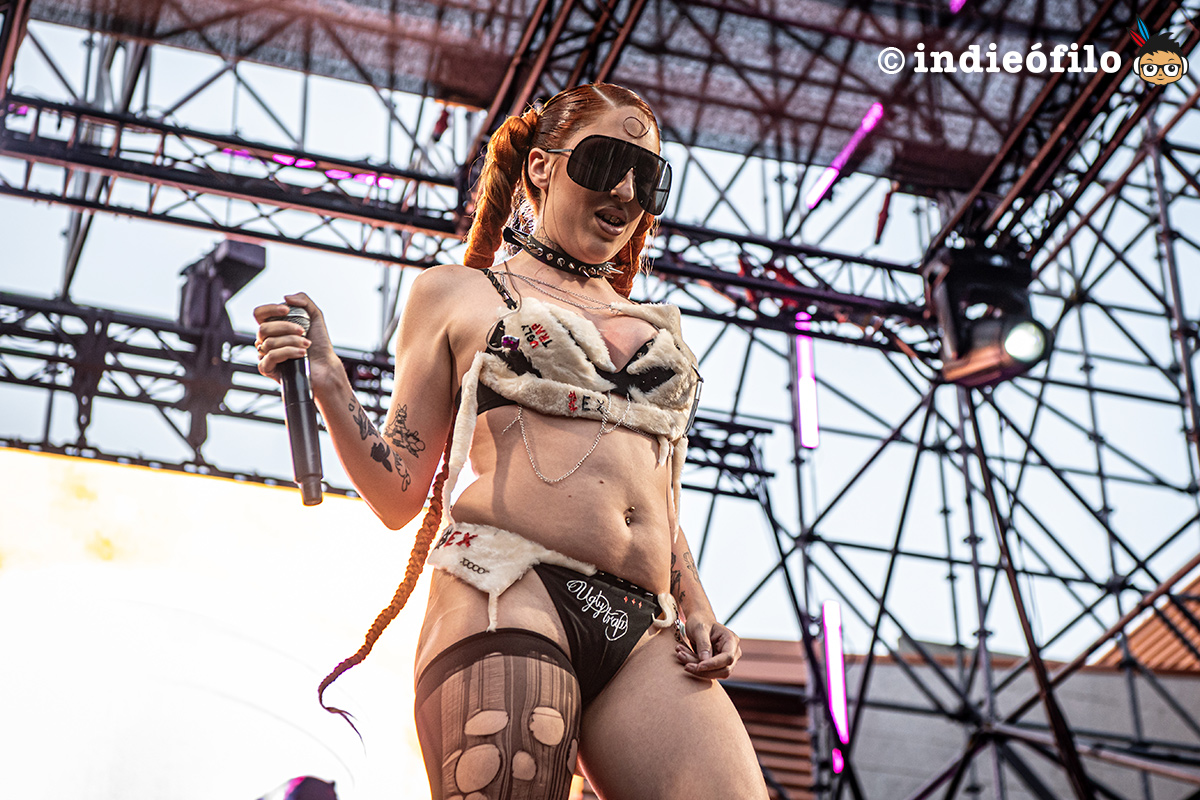
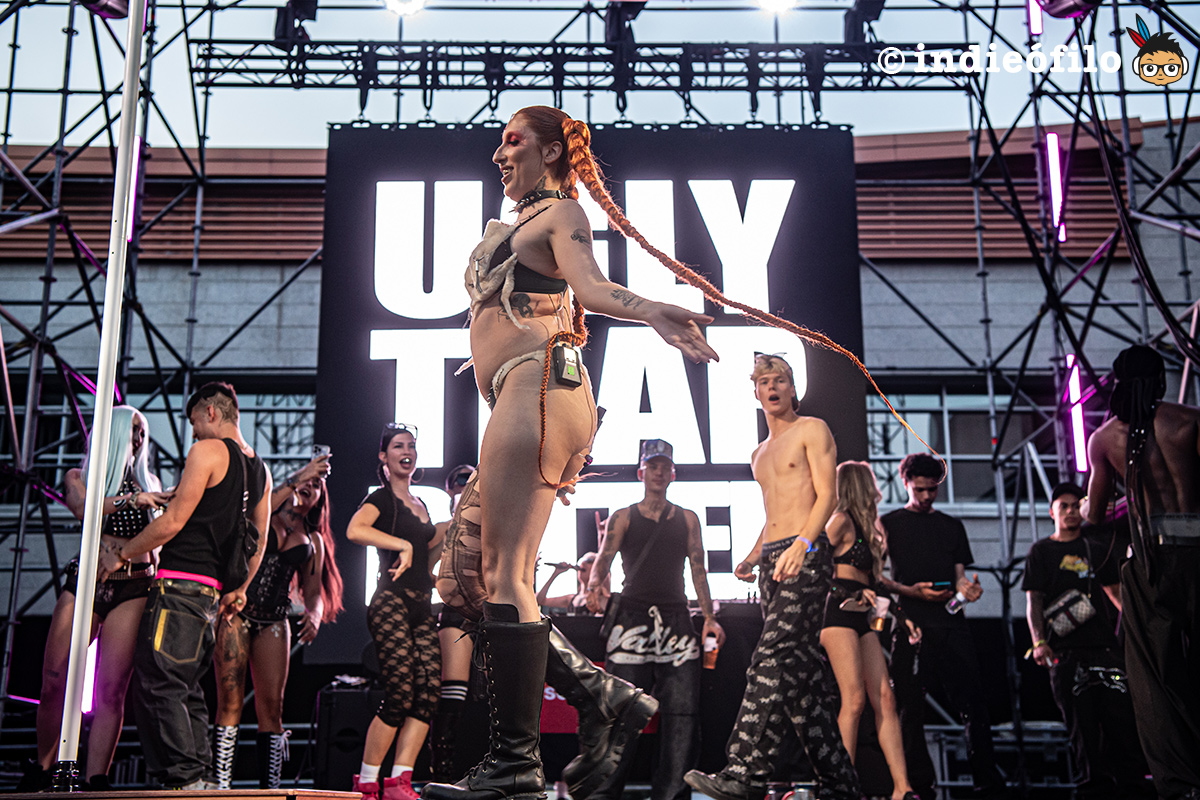
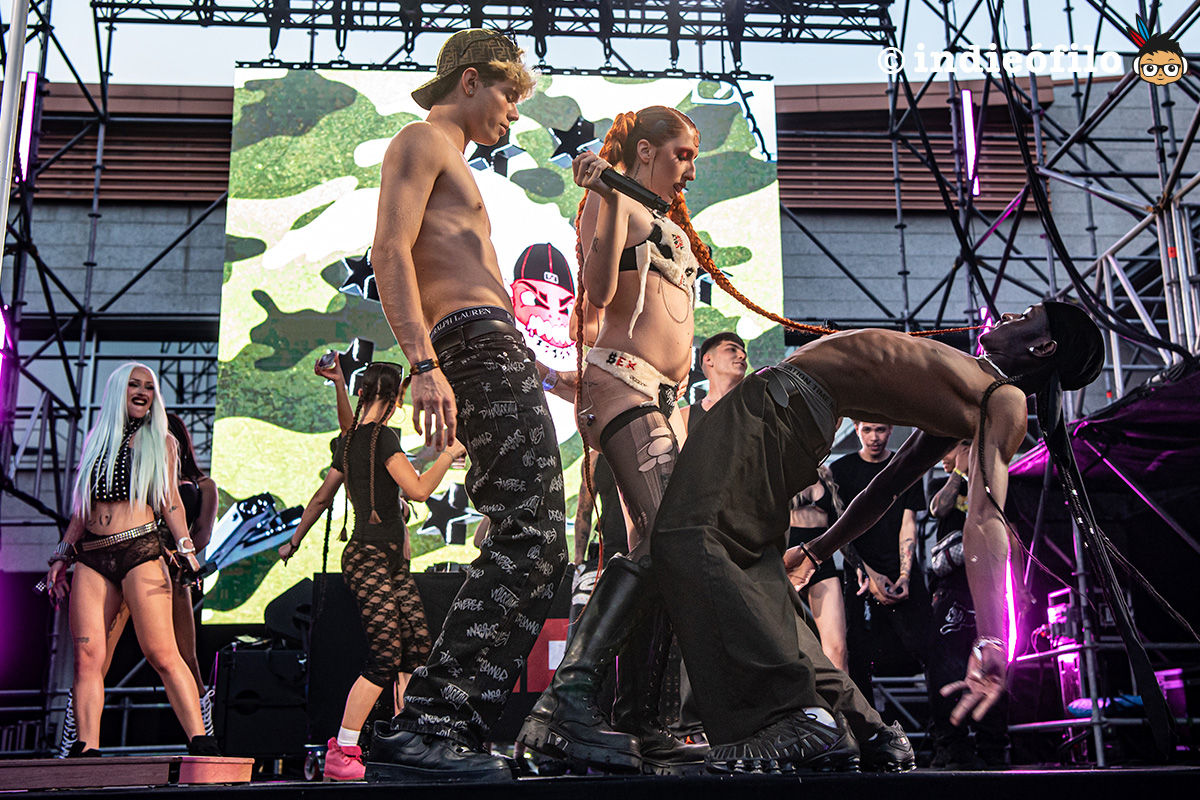
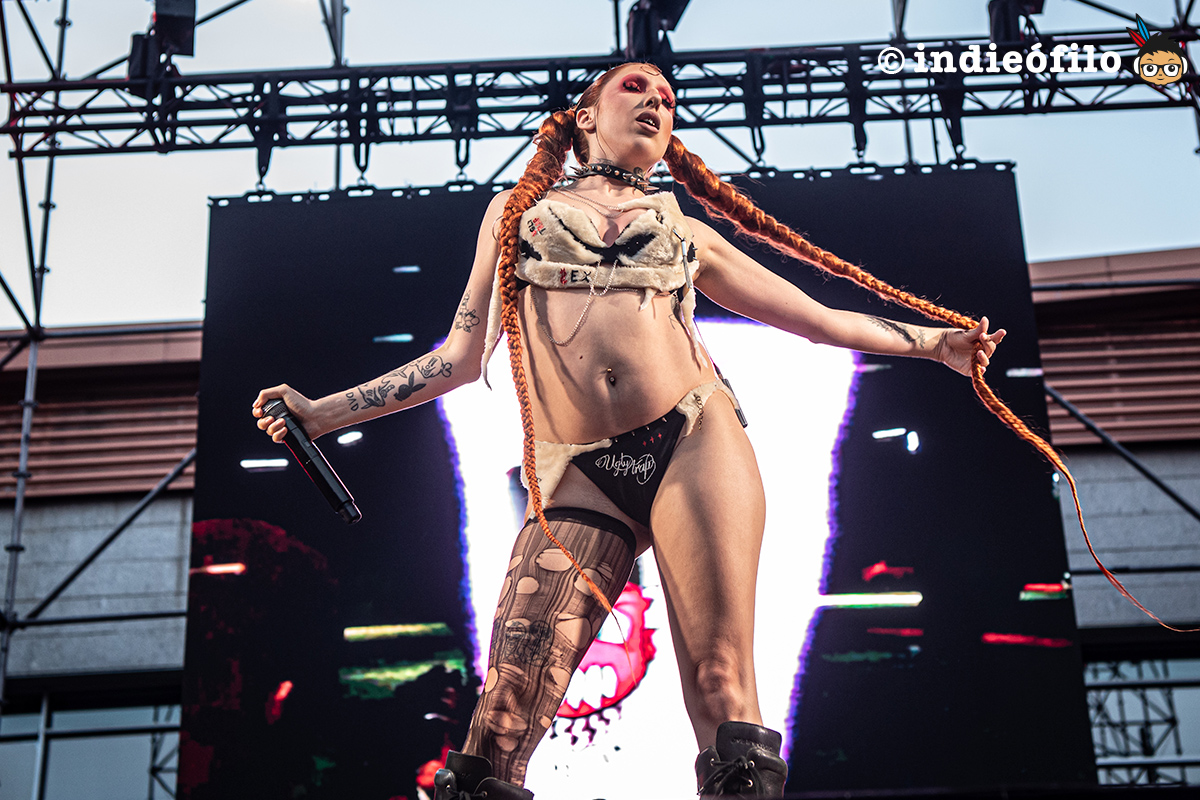
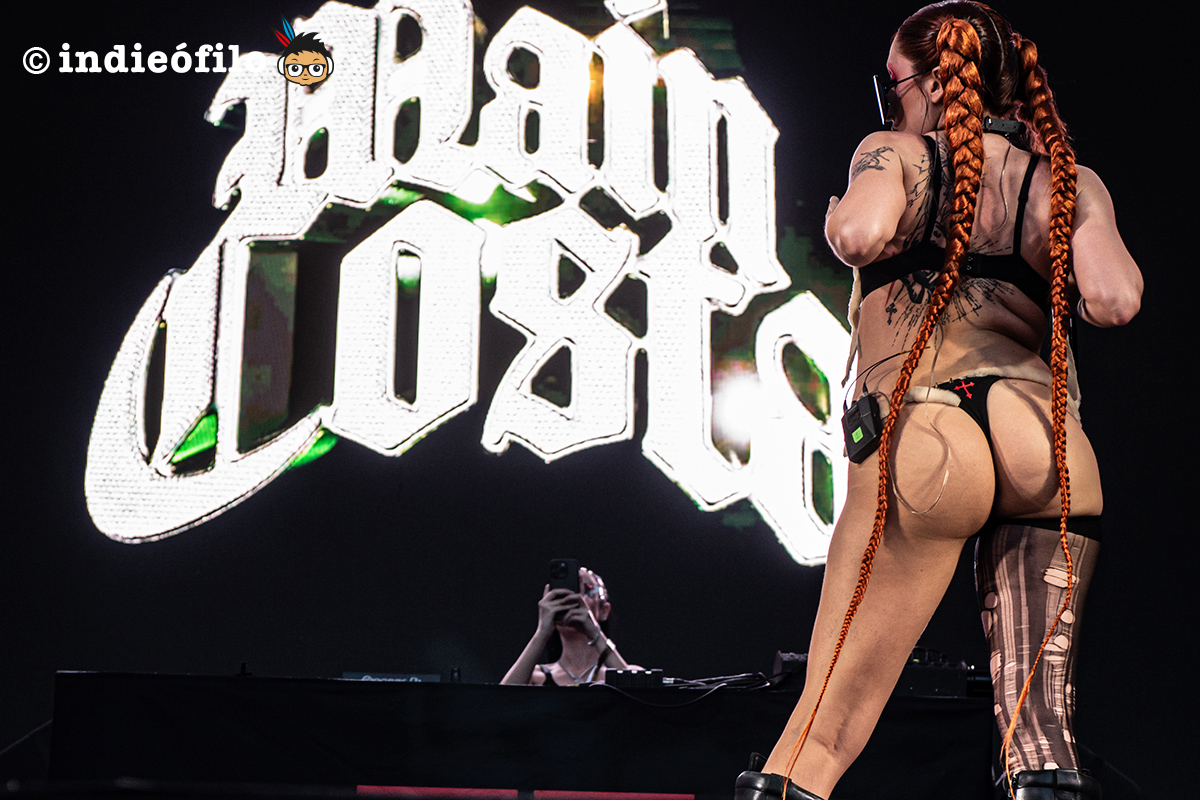
The day began with an eclectic set by Tawa, which failed to draw a large crowd at SonarPark, partly due to the excessive sun and heat. It’s hard to judge a performance that features brilliant, biting lyrics alongside disjointed sections, whether due to childish lyrics or repetitive backing tracks. Similarly, but with trap as the foundation this time, Main Costa from Alicante took to the stage a few minutes later to present ‘Ugly Trap Better‘ – a show that sought to showcase the state of Spain’s new female trap scene, but which ended up being a collection of all the associated clichés.
Next up was The Prodigy, a band celebrating the 30th anniversary of the release of two singles that propelled them to stardom: “Firestarter” and “Breathe”. Both tracks would later feature on the iconic 1997 LP The Fat of the Land. They were part of the blend of 1990s rave and rock influences that now defines Maxim’s distinctive sound. This sound was first showcased in style with ‘Omen‘, the smash hit from their second era.
The band’s finest moments came during the first third of the concert, with “Poison”, “Thunder”, “Firestarter” and “Invaders Must Die” performed almost back-to-back. The set also included the surprise addition of “Claustrophobic Sting”, a track they hadn’t played since 2006.
From this point on, the band seemed to focus more on delivering those chorus-driven tracks with the bass cranked up to create a false sense of a non-stop party. This detracted from the iconic ‘Smack My Bitch Up‘ as well as the encores featuring ‘Breathe‘ and ‘We Live Forever‘. Thankfully, during the finale with ‘Out of Space‘ and ‘Comanche‘, we experienced a clearer ‘separation of powers’ between punk and electronic styles. This left us feeling that we had seen a good gig, albeit not a particularly memorable one…
After three days of the festival, fatigue was setting in. Due to clashes between Namasenda and WhoMadeWho, and between Takuya Nakamura and DPM Cream, we had to split up across the following time slots… Firstly, we opted for the live performance of the Swedish artist, which was based almost entirely on her recent album Limbo (2026). As the show progressed, her blend of pop and electronic elements grew in intensity, showcasing vocal skills firmly rooted in pop but driven by rhythms that elevated the songs to uncharted territory. In this way, she touched on styles ranging from hyperpop to electronic dance music, establishing herself as one of the festival’s most notable discoveries.
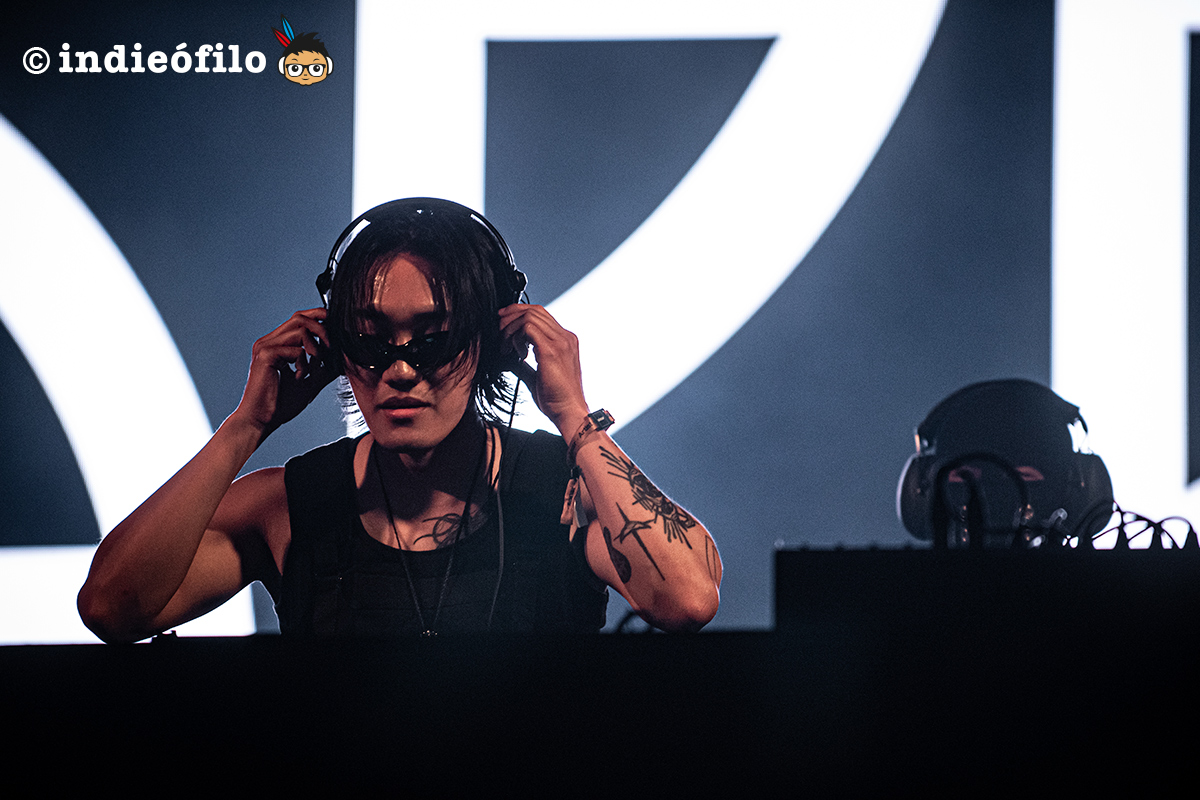
As for the second block of overlapping slots, Two Shell‘s secrecy was overshadowed by the incredible set that DPR Cream & DPR Artic delivered at Sonar Park. Their music is a mishmash of hip-hop, R&B, techno, dubstep and drum ‘n’ bass. Add to that the brilliant vocals of DPR CREAM and the immediacy of their latest tracks on the NO DRUGS EP (2025), and you have one of the most entertaining and danceable sets of the entire festival.
With electronic music icons such as Modeselektor, Joy Orbison, Mousse T. and Amelie Lens herself still yet to perform, we left the venue utterly exhausted and with the feeling that Sónar 26 had escaped (and also survived) all the controversies of the last 12 months, but we’re not sure whether it’s due to the overuse of the L’H fairground venue or the stylistic shifts made by the new management – it seems to have lost some of its essence along the way…


What do you think?
Show comments / Leave a comment